
Last updated November 25, 2026
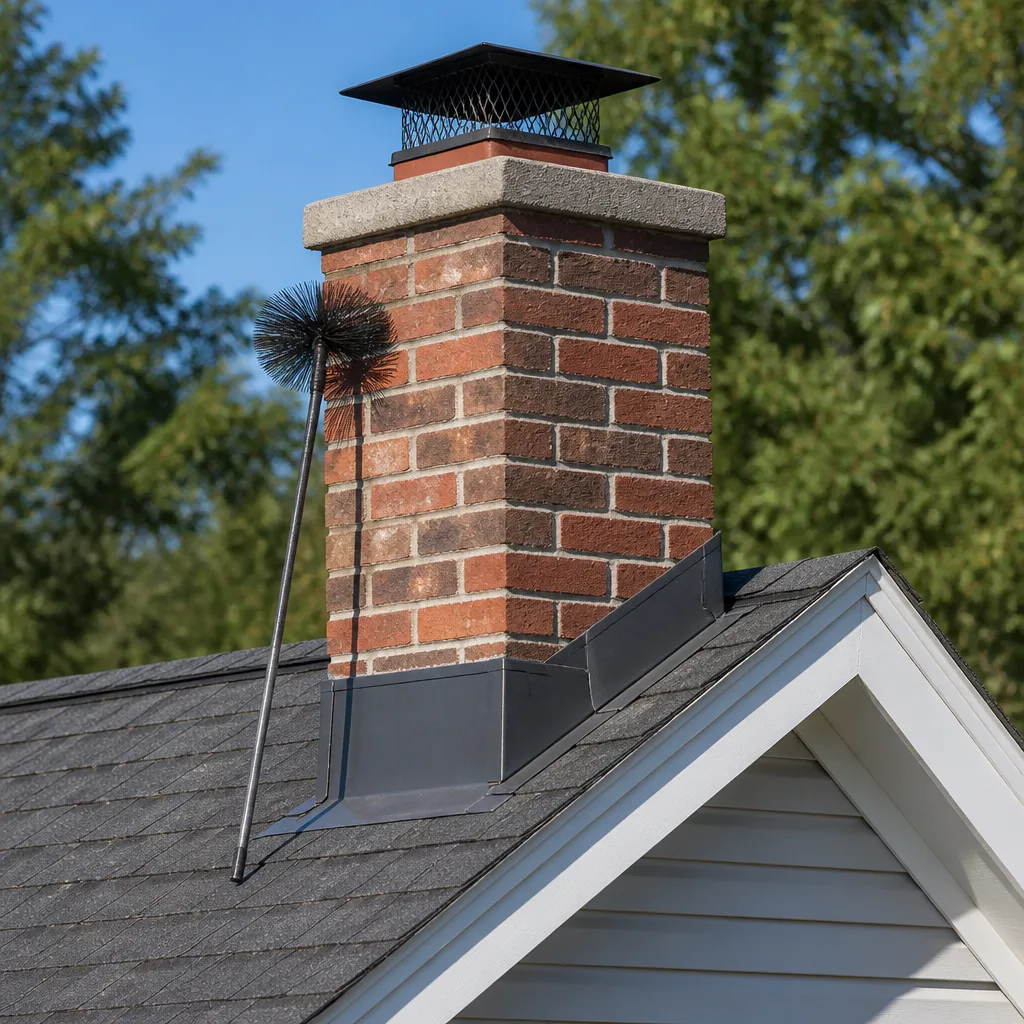 Sweep & inspection
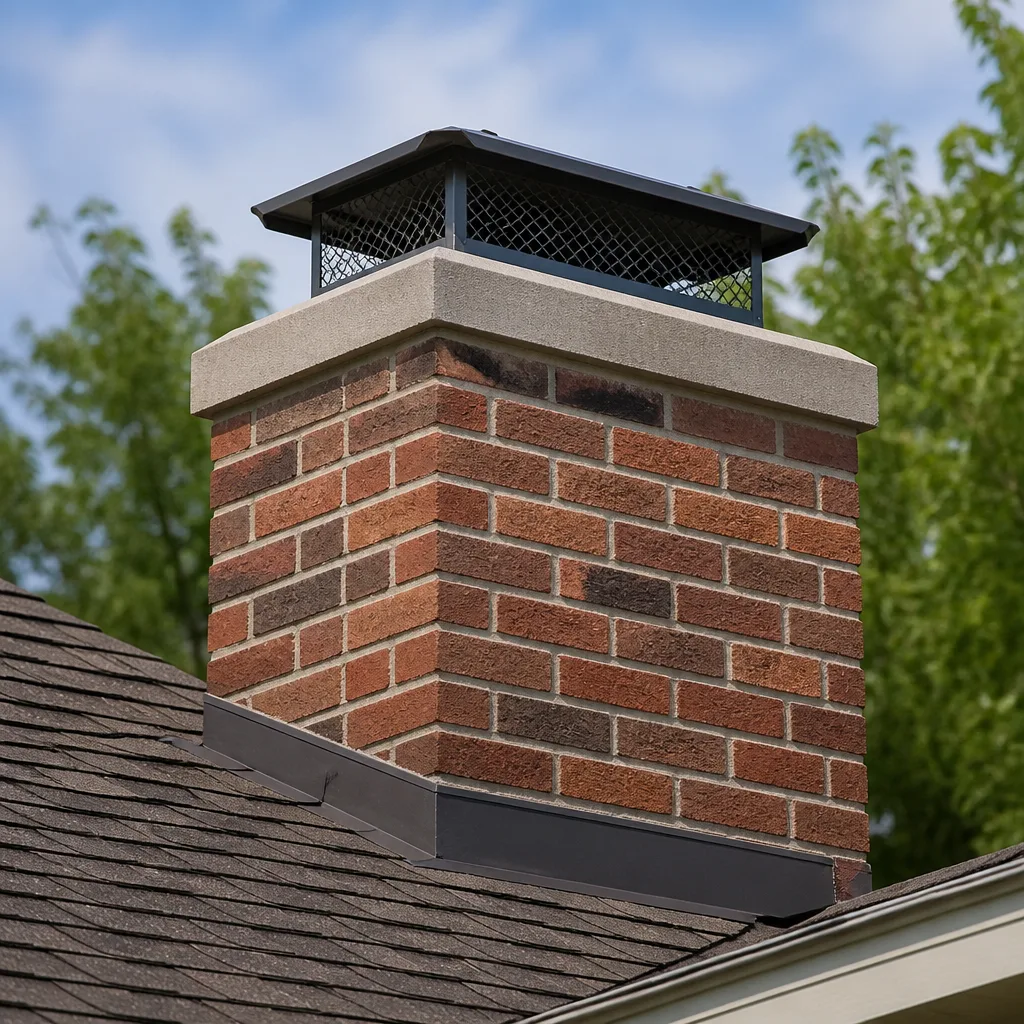 Caps & crowns
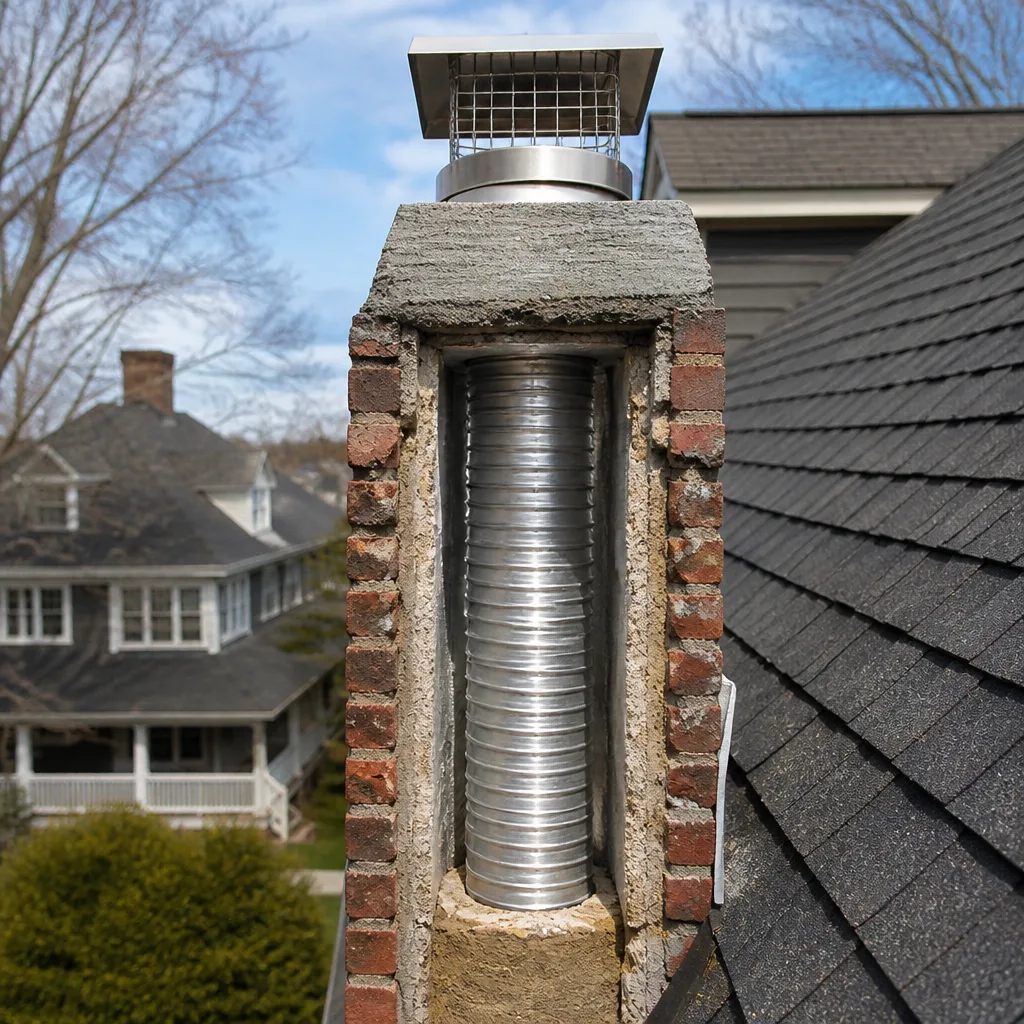 Flue relining
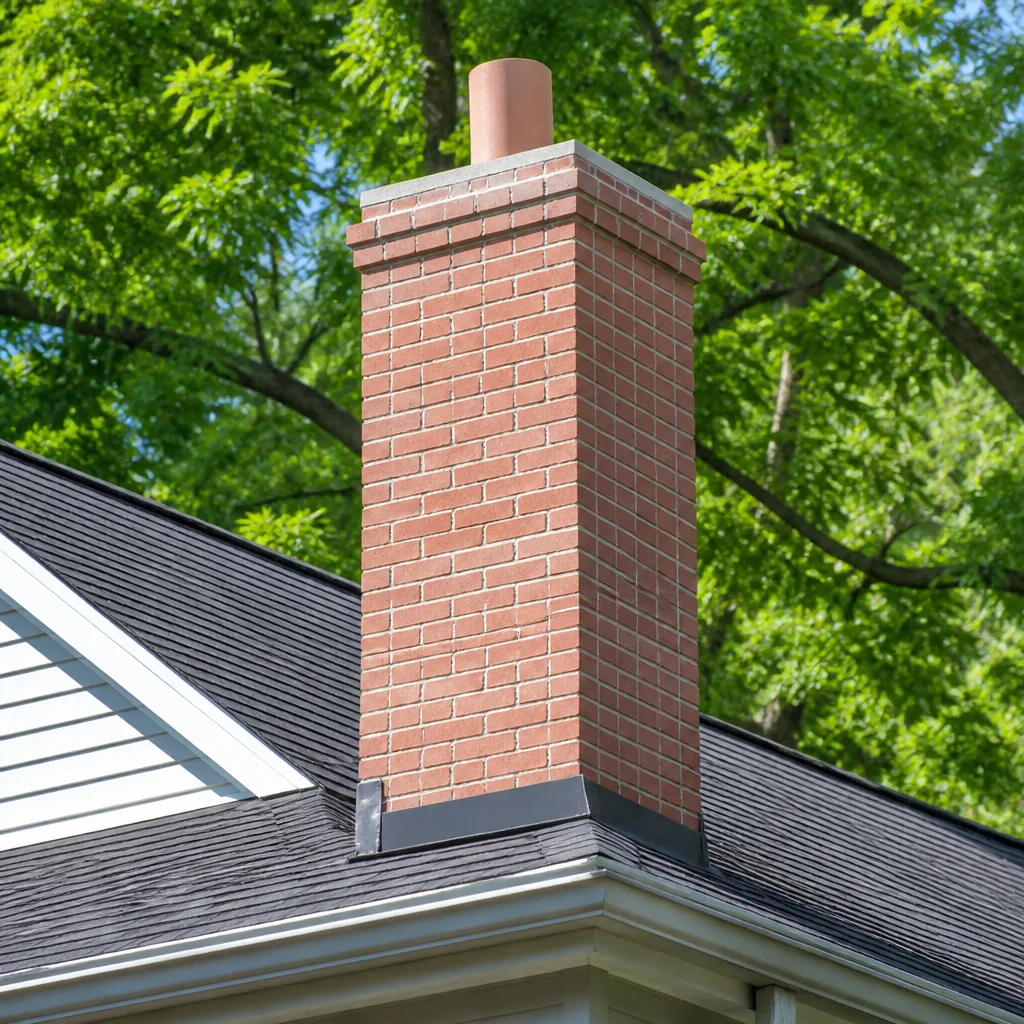 Masonry repair
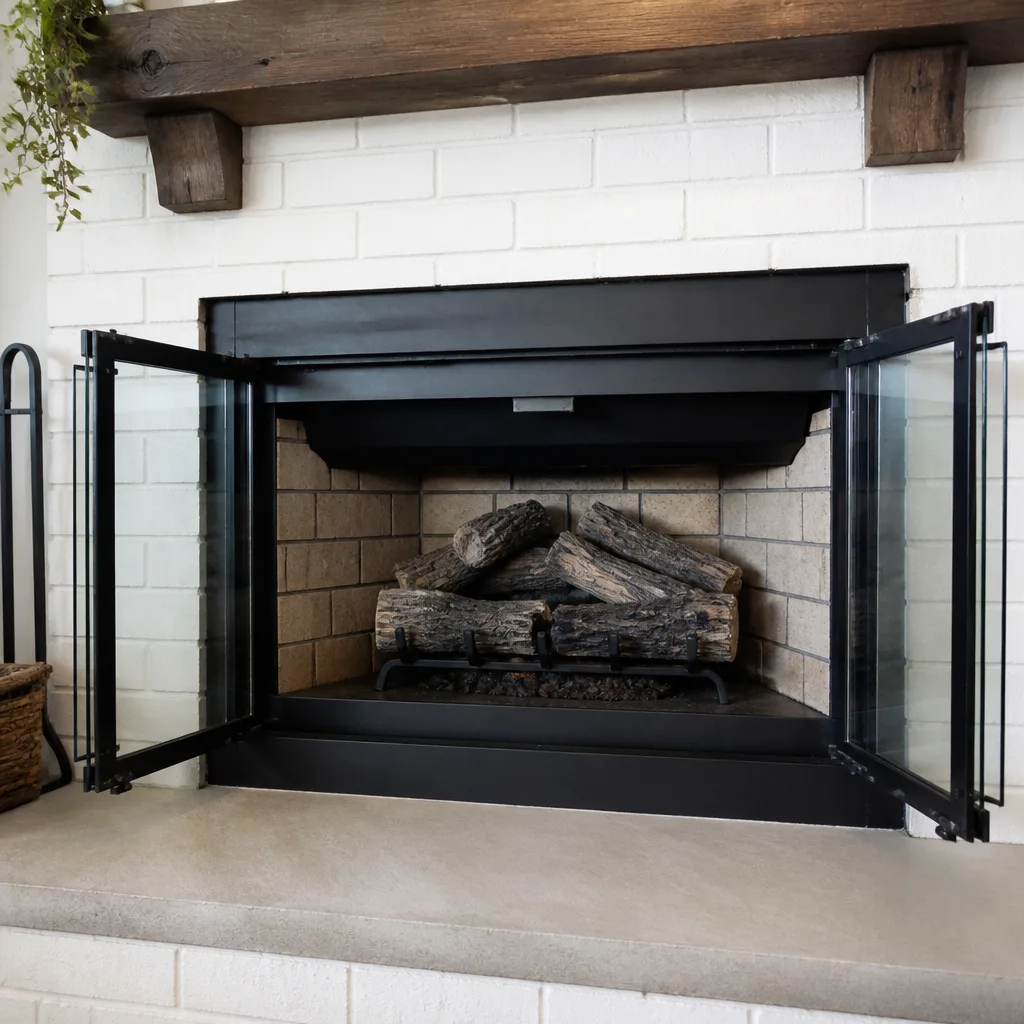 Gas fireplace service
Level 1 sweep and inspection to the NFPA 211 annual standard - flue, crown, cap, and flashing checked and photographed
Chimney sweep logs do not sweep chimneys. They loosen some creosote - which then falls where a brush and vacuum still have to collect it.
The Complete Guide to Chimney Cleaning in West Valley City
Most homeowners assume a chimney either works or it doesn’t, and if smoke goes up instead of into the room, there’s nothing to think about until spring. That assumption is the single biggest reason chimneys in this valley fail earlier than they should. West Valley City sits in a basin where cold air pools under warmer air through the winter, and that inversion layer doesn’t just trap car exhaust and wood smoke over the valley floor. It changes how a flue behaves. Creosote forms faster in a chimney that runs against a cold exterior wall under a temperature cap, and mid-century brick homes here carry mortar that has had decades of freezing nights to work loose. This guide walks through what cleaning actually involves in West Valley City, how the inversion season changes the math, and how to read the report a technician hands you.
Quick Answer
Chimney cleaning in West Valley City means removing creosote and soot from the flue, firebox, smoke chamber and damper, followed by a visual inspection of the liner, mortar joints and cap. Most homes here need a sweep once a year if they burn wood regularly, and a Level 2 inspection whenever the home changes hands or the flue has never been assessed. The work is not a brush-and-go job in this climate: the technician should be checking mortar joint condition on older masonry and documenting what they find before recommending anything.
Styles & brands we work with
- Sweep & inspection
- Caps & crowns
- Flue relining
- Masonry repair
- Gas fireplace service
Table of Contents
- How Winter Inversions in West Valley City Change Creosote Buildup
- Level 1, 2, and 3 Inspections: Which One Your Home Actually Needs
- Why Mid-Century Brick Homes in West Valley City Need Extra Attention
- What a Chimney Cleaning Actually Includes (and What Gets Quoted as an Add-On)
- How to Read a Chimney Inspection Report
- When to Schedule a Sweep in West Valley City
- The Materials Behind a Repair That Lasts
- Common Mistakes to Avoid
How Winter Inversions in West Valley City Change Creosote Buildup
An inversion is simple physics with uncomfortable consequences. Cold, dense air settles into the valley and sits beneath a warmer layer above it. The cap of warm air holds the cold air down, and whatever is released into that cold layer stays there until weather moves it out. Wood smoke is part of that. So is the exhaust from every car on the road, which is why the valley fills with haze on the coldest mornings of the year.
What that means for a chimney is less obvious. When outdoor temperatures drop hard and stay there, a flue running up an exterior wall gets cold and stays cold. Warm flue gases hit that cold surface and cool quickly. Cool gases deposit creosote more readily than hot ones do. In a milder climate where the flue has time to warm up and the outdoor air stays moderate, the same fire in the same stove can produce noticeably less buildup over a season. In West Valley City, the burning season overlaps almost exactly with the coldest, most stable air of the year, which is also when the inversion is most likely to be sitting over the valley.
A few practical results follow from that:
- Buildup accumulates faster than the calendar suggests. A homeowner who burns a cord and a half of wood over a winter may find glaze-stage creosote at the annual sweep, not the light soot they expected.
- Draft gets worse before it gets obvious. A partially restricted flue on a cold, still inversion morning can smoke into the room even when the chimney passed a visual check the year before.
- The shoulder seasons matter. A sweep done before the first hard freeze means the flue is clean going into the months when it will run coldest and longest.
- Gas fireplaces aren’t exempt. A gas appliance produces far less creosote, but the same cold flue and the same trapped air affect venting, and the liner still needs periodic inspection.
None of this means every fire is dangerous. It means the maintenance interval that works in a mild climate isn’t automatically the right one here, and the honest answer to “how often should I sweep” depends on how much you burn and how cold the flue runs.
Level 1, 2, and 3 Inspections: Which One Your Home Actually Needs
The National Fire Protection Association lays out three inspection levels in NFPA 211, and most homeowners have never had the difference explained to them. Knowing which level applies saves you from paying for work you don’t need, and it also tells you when a company is under-inspecting to move you along faster.
- Level 1. A visual inspection of the readily accessible portions of the chimney, connected appliance and venting, with no tools that would damage the structure. This is the right level when conditions haven’t changed: the same appliance, the same fuel, no known problem, and a routine annual check. Most occupied homes in West Valley City fall here for their yearly visit.
- Level 2. Everything in Level 1, plus examination of accessible areas of the chimney and venting using video scanning and other tools. A Level 2 is appropriate when the home changes hands, when an appliance or fuel type changes, after an event like a chimney fire or a seismic shake, or when the flue has never been assessed. Property transactions and insurance documentation are the two most common reasons a homeowner books this one.
- Level 3. Everything in Level 2, plus removal of parts of the chimney or building to reach concealed areas. This is rare and only justified when a serious hazard is suspected in a section that can’t be seen any other way. It is not a routine service and it should never be the first recommendation on a house nobody has looked at yet.
For most West Valley City homes, the pattern over a decade looks like this: Level 1 annually, a Level 2 when the house sells or when something changes, Level 3 almost never. If a company pushes straight to the heaviest option on a house with no history and no symptoms, that tells you something. A standalone West Valley City Chimney Sweep inspection is available on its own for exactly this reason: buyers, sellers and homeowners who just want a straight answer can get one without being steered into a repair list.
Why Mid-Century Brick Homes in West Valley City Need Extra Attention
A large share of the housing stock in West Valley City went up during the postwar decades, and that construction has a specific profile. The brick is solid, honest masonry, often with a clay tile liner set inside it. The mortar between the bricks is the soft part. It absorbs moisture, and it takes the freeze-thaw cycle hardest on the exterior of the chimney above the roofline, where it faces the weather from every direction.
This matters during cleaning for a reason most people miss. The brushing action of a sweep is not destructive in a sound chimney. In a chimney where mortar joints have already started to crumble, it can loosen material that was barely holding, and the technician needs to know that before the brush goes up, not after. What we look for on older masonry in West Valley City:
- Mortar joint condition at the crown and top courses. Spalling and receding joints up top are the first sign the chimney is taking on water.
- Efflorescence on the brick. The white powdery staining is mineral deposit left behind when moisture moves through the masonry and evaporates. It’s cosmetic on its own but it’s evidence moisture is getting in.
- Cracked or displaced clay tiles. A tile liner that has shifted leaves a gap where heat and gases can reach the surrounding brick.
- Deteriorated crown. The concrete cap on top of the chimney is what sheds water away from the masonry. When it cracks, water goes straight down into the brick.
Clay tile liners in these homes can also develop gaps at the joints over decades of heating and cooling. That’s where chimney cap & crown work earns its keep: a properly formed crown and a fitted cap keep water and weather out of a chimney whose masonry is otherwise fine. The best time to catch these issues is during the annual sweep, when someone is already up top and can see them.
What a Chimney Cleaning Actually Includes (and What Gets Quoted as an Add-On)
A real chimney cleaning is a specific sequence of work, and it’s worth knowing the sequence so you can tell whether the job was done. The core includes the flue, the firebox, the smoke chamber, the smoke shelf and the damper. It also includes protection of the room: drop cloths, a sealed vacuum that filters fine soot, and a technician who stays off the furniture.
A standard cleaning includes:
- Firebox and hearth cleanup, including ash removal and soot brushed from the firebrick.
- Damper check and clearing. The damper should open and close freely and seat correctly when closed.
- Flue brushing from the top down with a properly sized brush for the flue, so it contacts the full circumference without damaging the liner.
- Smoke chamber and smoke shelf, the area directly above the damper that collects soot and is most often skipped. It’s the hardest part to reach and the most important to get clean.
- Visual check of the flue, cap and crown while access is available.
- A written report of what was found, with photographs where anything concerns the technician.
Work that gets quoted as an add-on after the technician arrives isn’t automatically a problem, but the reason matters. A crown that has cracked and needs rebuilding wasn’t visible from the ground and only revealed itself when someone went up. That’s a legitimate finding. What isn’t legitimate is a company that quotes a sweep, then presents a liner replacement without showing you the evidence. Here at West Valley City Chimney Sweep, we diagnose before we recommend, and nothing beyond the sweep itself should be a surprise at the end of the visit.
How to Read a Chimney Inspection Report
A chimney inspection report should read like a clear record of what was seen, not a sales script. The good ones share a common structure, and knowing that structure lets you spot an incomplete job from across the kitchen table.
What a complete report includes:
- A description of the appliance and fuel type, the flue material and the flue size.
- Findings for each area checked: firebox, damper, smoke chamber, flue, crown, cap, and the exterior masonry up top.
- Photographs, especially of anything flagged as a problem. If the technician says the liner has a gap, there should be a picture of the gap.
- A clear statement of severity: what needs attention now, what can wait, and what is purely cosmetic.
- The inspection level performed, and the date.
What’s missing when a report is incomplete:
- No photographs, or photos that don’t clearly show the flagged component.
- Findings that name a problem but don’t describe where it is or how serious it is.
- No mention of the smoke chamber, which is easy to skip and hard to inspect.
- No statement about what can safely wait. A report that flags everything as urgent is telling you that “urgent” doesn’t mean much.
- No described inspection level, which makes it impossible to know what was actually covered.
The single most useful habit here is to ask for the camera evidence. If a technician can show you the inside of the flue on video and explain what you’re looking at, you can make your own decision. If they can’t, that’s your answer about the report.
When to Schedule a Sweep in West Valley City
The best window for a chimney sweep in West Valley City is late summer into early fall, before the first real cold settles in and before the burning season begins. That timing has nothing to do with urgency and everything to do with preparation: the flue gets cleaned and inspected while the weather allows easy access, so you go into the coldest months with a clear chimney and a written record of what it needed.
That said, a chimney can be swept any time of year. A few situations call for a sweep sooner than the calendar suggests:
- You just bought the house. A Level 2 inspection before you light the first fire is the right move in a home with an unknown chimney history. It documents condition for your records and for insurance.
- You’ve been burning a lot of wood. In a West Valley City winter with a cold flue and few warm spells, creosote accumulates faster than the “once a year” rule of thumb assumes. If you’ve burned heavily, get it checked.
- You smell smoke indoors. Smoke coming back into the room on a cold, still inversion morning is a sign of draft restriction or buildup, and it deserves a look.
- You noticed glazed or tar-like deposits. That’s glaze-stage creosote, harder to remove and the type that ignites most readily. It calls for a professional removal.
- You’re selling or renewing insurance. A standalone inspection gives you the documentation you need without turning it into a repair project.
If a technician tells you the chimney is sound and can wait until next year, believe the honesty and take it. One of the reasons we offer inspection as a standalone service is that plenty of chimneys don’t need work, and saying so is part of the job.
The Materials Behind a Repair That Lasts
When a sweep turns up a real problem, what gets put back in matters as much as the labor. We work with professional-grade chimney brands that the trade relies on, including DuraFlex for flexible liners, HeatShield for flue resurfacing, and Gelco for caps and covers. Those names matter because they’re the same materials specified by chimney professionals nationwide, not generic hardware-store substitutions.
The HeatShield system deserves its own note. It’s a liners resurfacing product designed to restore a deteriorated flue liner without a full relining, and not every chimney company offers it or is trained to apply it. When a clay tile liner has cracked joints but the overall structure is still sound, resurfacing can be the difference between a partial repair and a full pull-and-replace job. When the tile is failing outright, a DuraFlex flexible liner is the more appropriate answer. A technician who knows both options can match the repair to the actual condition instead of defaulting to the most expensive one.
On the top of the chimney, a fitted Gelco cap keeps out water, birds and wind-driven debris, and a properly formed crown sends water away from the masonry instead of into it. Those two pieces are the cheapest insurance a mid-century West Valley City chimney has against the freeze-thaw damage that takes these stacks apart over decades. If you’re weighing a sweep against a fireplace repair, start with an inspection and let the evidence decide.
Common Mistakes to Avoid
- Assuming annual is always enough. In a valley with hard inversions and heavy seasonal burning, a flue can build up faster than one visit a year assumes. Ask for a check if you burn a lot.
- Skipping the smoke chamber. It’s the most commonly missed area and it collects soot where the fire can’t reach it. A cleaning that finishes at the damper is incomplete.
- Accepting a liner replacement without evidence. If you haven’t seen video, a photo or a described defect, ask for it before agreeing to anything. Large recommendations should come with large evidence.
- Ignoring the crown and mortar. Water damage does more long-term harm to a West Valley City masonry chimney than creosote does. Crumbling mortar at the top is not cosmetic.
- Burning unseasoned wood. Wet wood produces more smoke and more creosote in a cold, restricted flue. It’s the fastest way to accelerate buildup between sweeps.
- Believing a gas fireplace needs nothing. Gas venting still needs inspection, and the same cold-flue dynamics apply even without the creosote.
- Taking a verbal all-clear. Get the report in writing with photographs. If anything comes up later, that record matters.
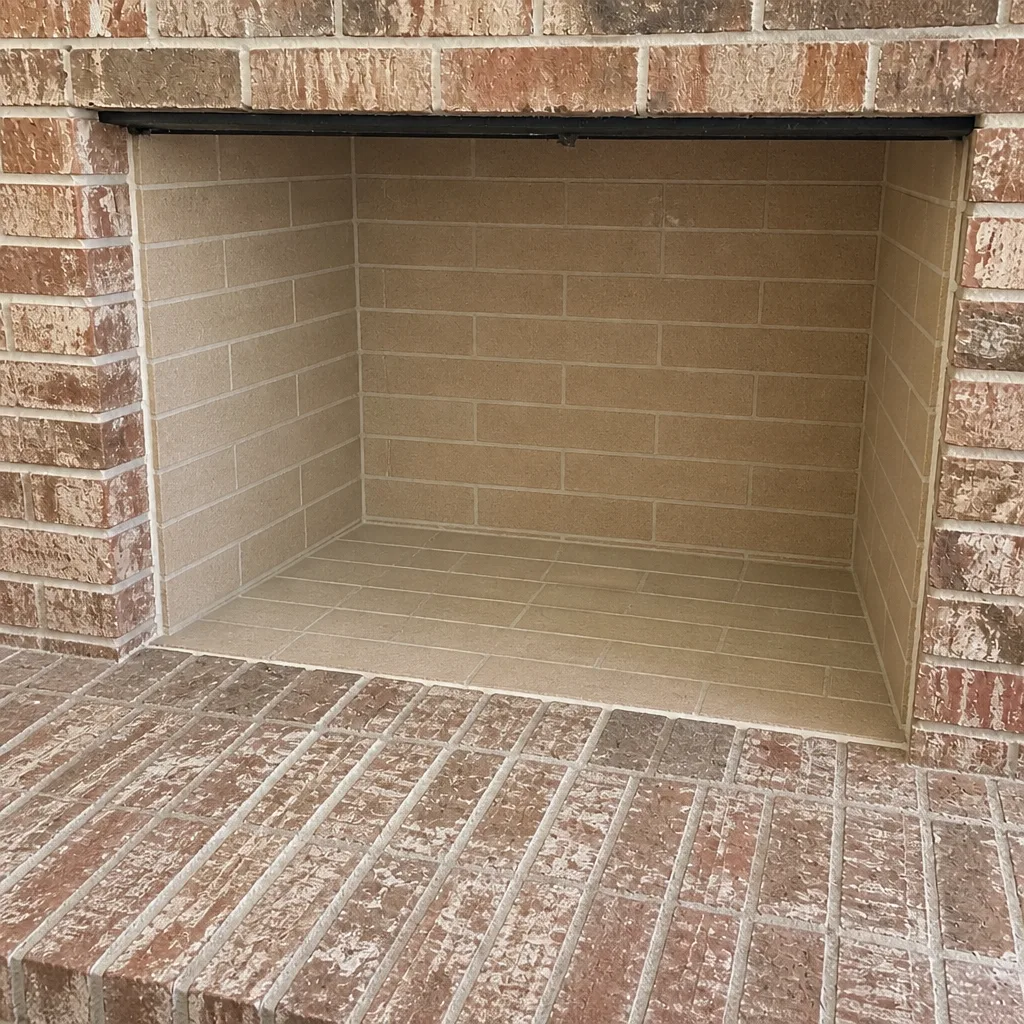
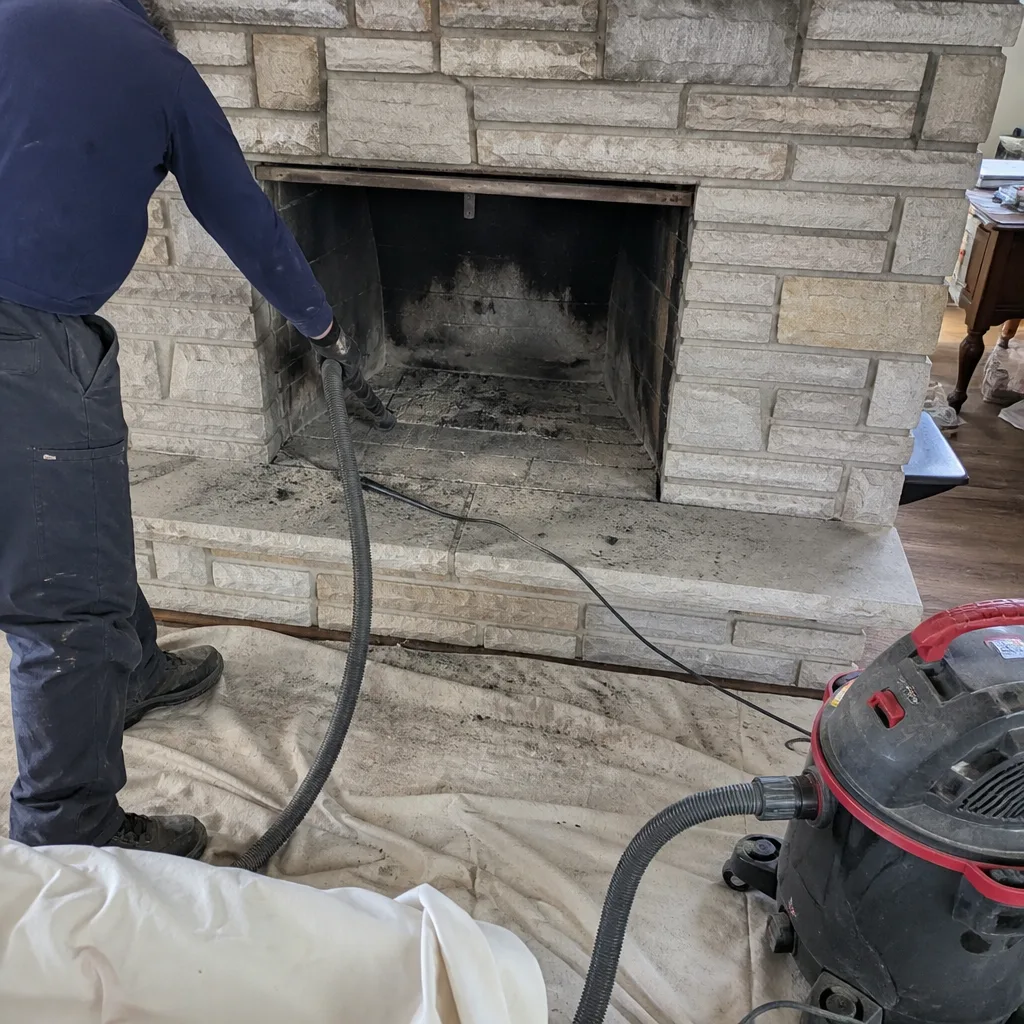
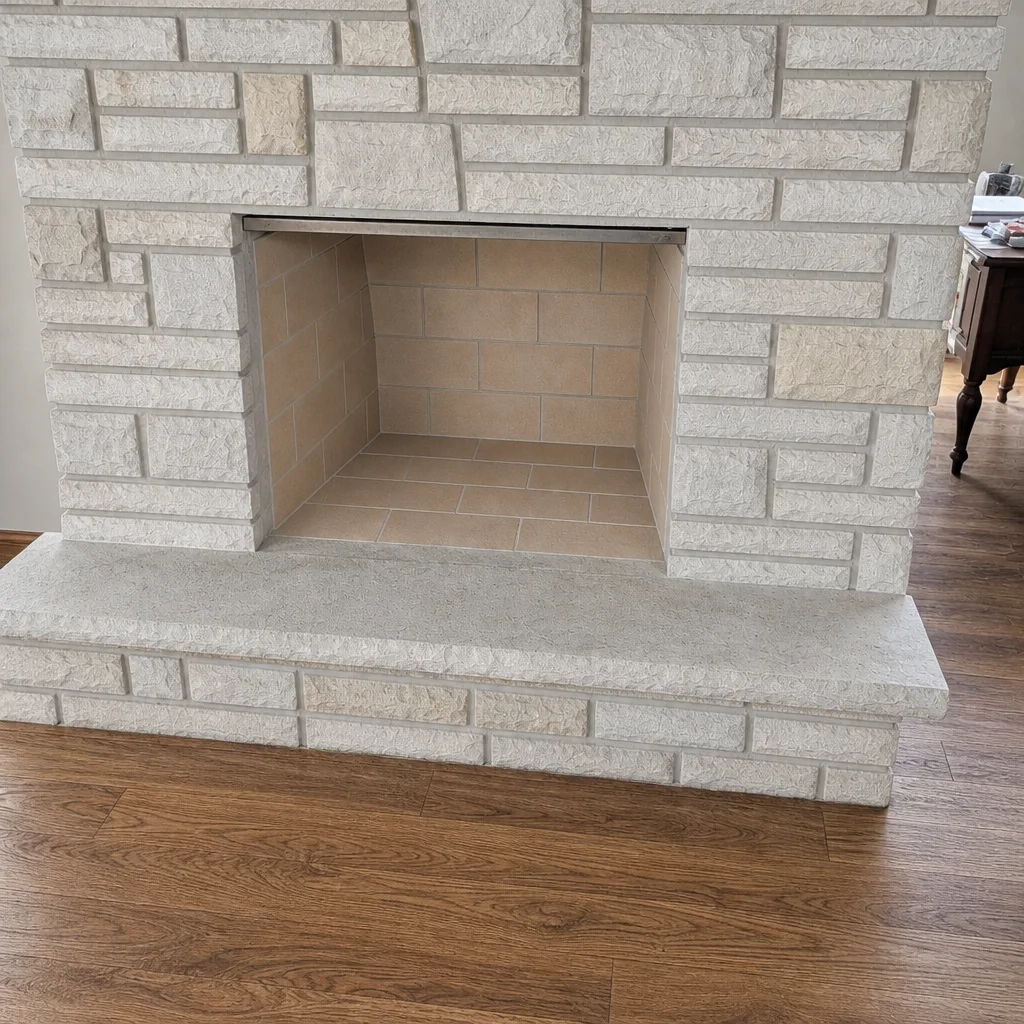
See the difference
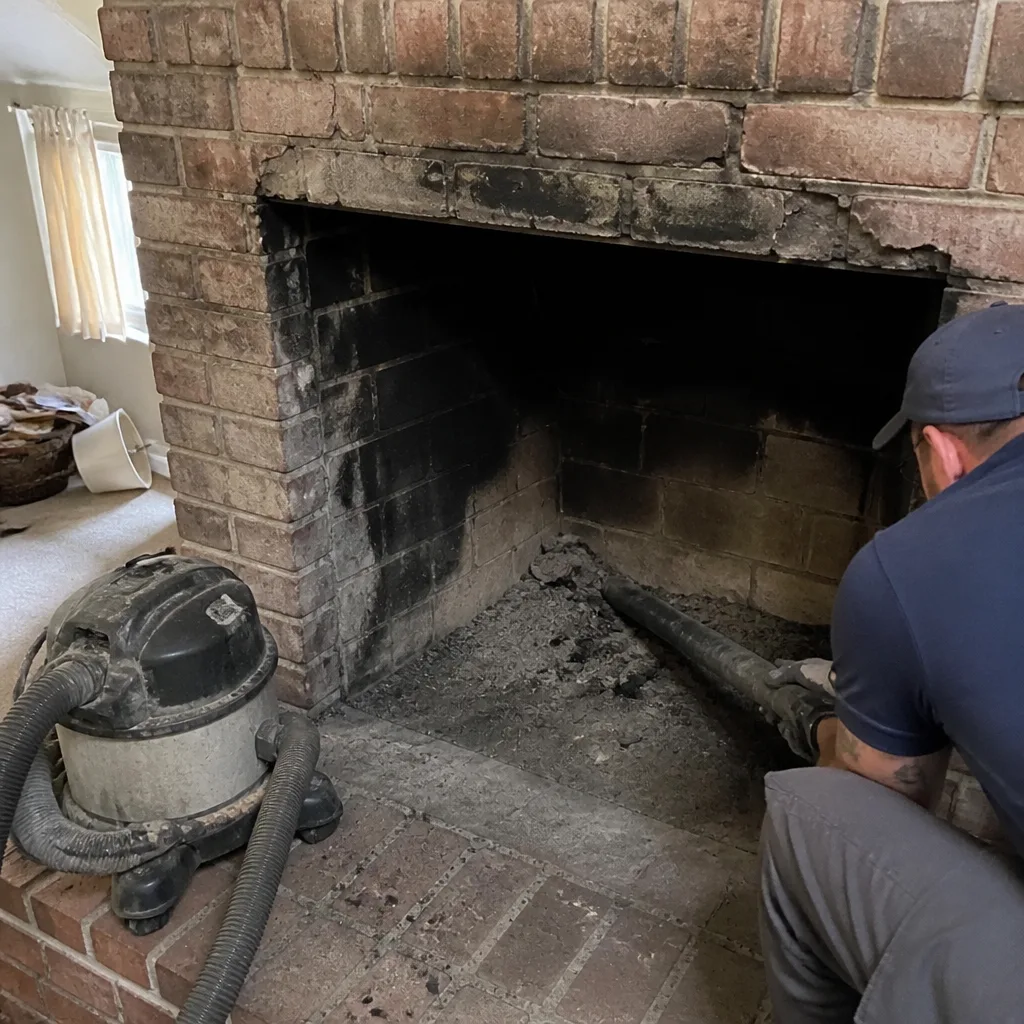 Before
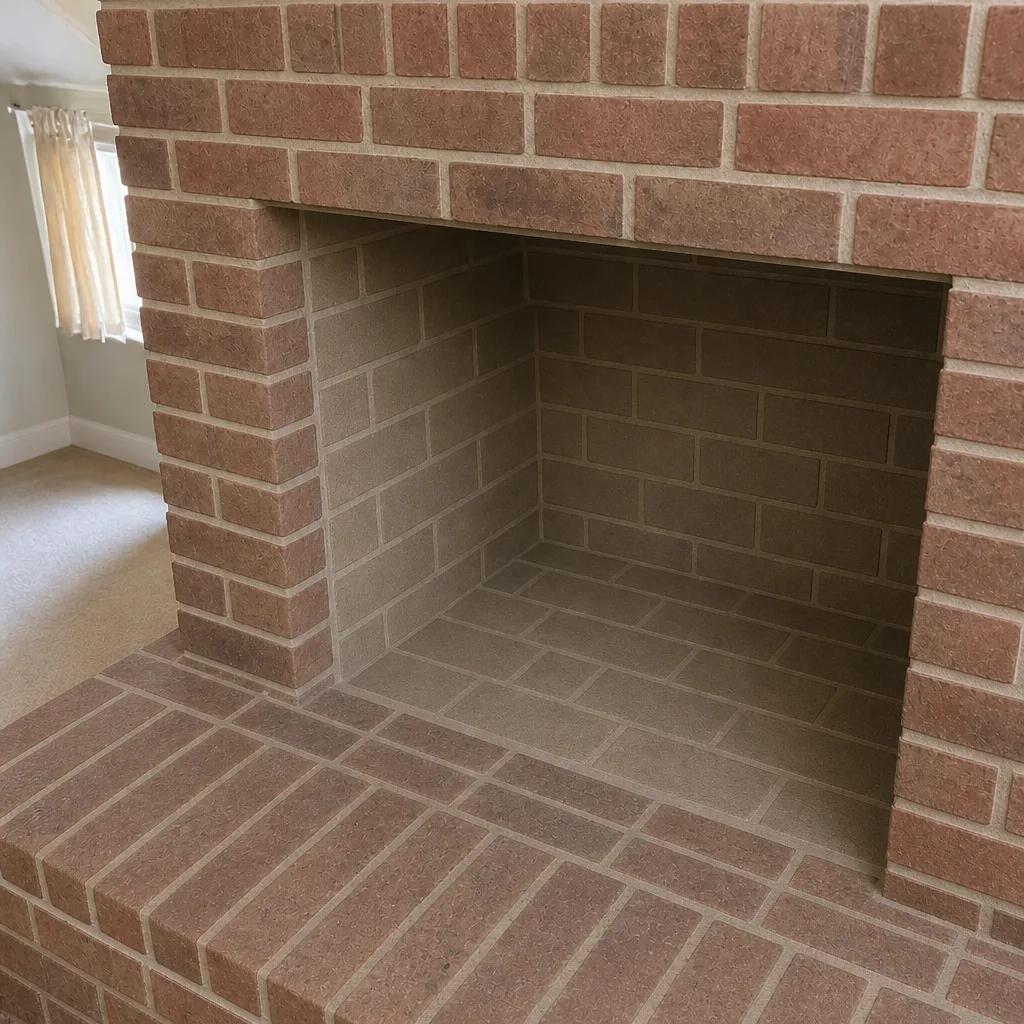 After
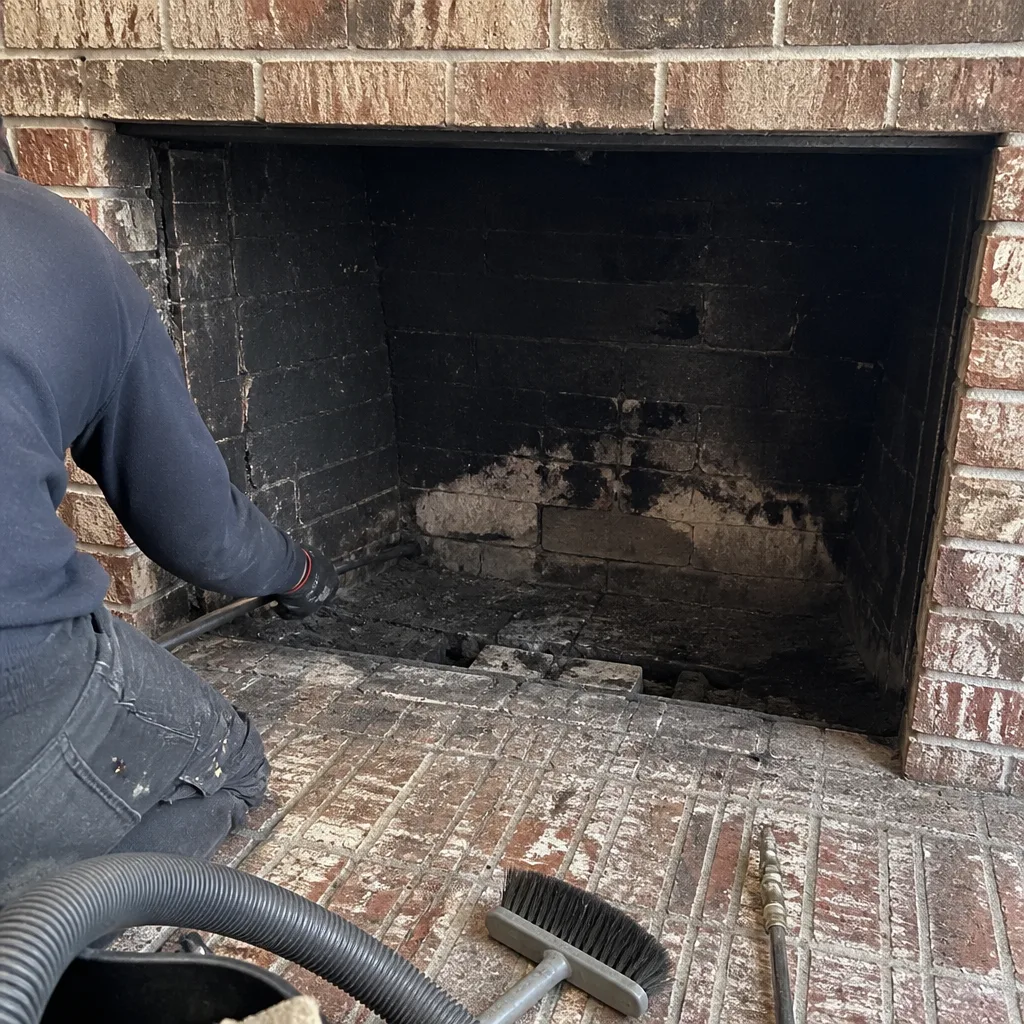 Before
 After
 Before
 After
When to Call a Professional
Some situations are a clear call for a professional. Smoke spilling into the room when you light a fire, glazed or tar-like creosote visible in the flue, a chimney that smells strongly of smoke even when you aren’t burning, masonry crumbled at the top of the stack, or a home with no known chimney history that you just moved into. Any of those means an inspection, not a brush-and-hope approach. And when a report recommends a repair, it should come with photographs and a plain explanation of the severity, so you can decide with evidence in front of you. West Valley City Chimney Sweep offers free estimates in West Valley City. Call (877) 792-7416, and we’ll take a look before we recommend anything.
Frequently Asked Questions
A chimney sweep in West Valley City is typically priced per job, and the written estimate sets the final price. The cost depends on the flue size, the amount of buildup, and whether the technician finds add-on work like crown repair. The estimate is free, and nothing beyond the sweep itself is a surprise at the end. Call (877) 792-7416 for an exact quote.
Most wood-burning homes need a sweep once a year, and gas fireplaces need an inspection on a regular interval as well. In West Valley City, the cold-flue and inversion conditions can speed up creosote accumulation, so a heavy burner may need a check sooner than twelve months. Call (877) 792-7416 to talk through your burning habits and get a straight answer.
Creosote builds up in layers, and as it thickens it restricts the flue and becomes easier to ignite, which is why a chimney fire is a real risk with heavy deposits. The other common outcome is smoke spilling indoors when the flue can’t draft, which can trigger the carbon monoxide concern that comes with any blocked flue. A sweep removes what’s there before it becomes a hazard. Call (877) 792-7416 for a free estimate.
Only if the evidence shows the old one has failed, and that evidence should be video, photographs and a described defect you can see for yourself. HeatShield flue resurfacing can restore a liner with deteriorated joints without a full relining, so a “new liner” isn’t always the only repair. Ask for the camera evidence before deciding, and call (877) 792-7416 if you want an unbiased look.
A Level 1 is a visual inspection of accessible areas for a routine annual check, while a Level 2 adds video scanning and is used for home sales, appliance changes, or a flue that has never been assessed. Most West Valley City homes need a Level 1 each year and a Level 2 when something changes. A standalone chimney sweep visit often includes the Level 1 as part of the service.
Yes, a gas fireplace can be inspected and cleaned, though it produces far less soot than wood. The venting, liner and cap still need checking, and in a cold-flue climate the draft can still be affected during an inversion. Call (877) 792-7416 to schedule an inspection.
The Bottom Line
Chimney cleaning in West Valley City isn’t a universal task, and the generic once-a-year advice doesn’t account for the cold flue, the inversion season or the mid-century masonry that dominates the housing stock. What matters is a real cleaning that covers the firebox, damper, smoke chamber and flue; an inspection at the right level for your home; and a report with photographs so you can verify what you’re told. If a repair is needed, the right materials and the right option, whether that’s resurfacing or a flexible liner, make all the difference. We answer 24/7. Fast dispatch from 7am to 7pm, Sunday through Friday. Call (877) 792-7416 for a free estimate, and let the evidence decide what your chimney actually needs.
Written by the team at West Valley City Chimney Sweep.