
Last updated November 25, 2026
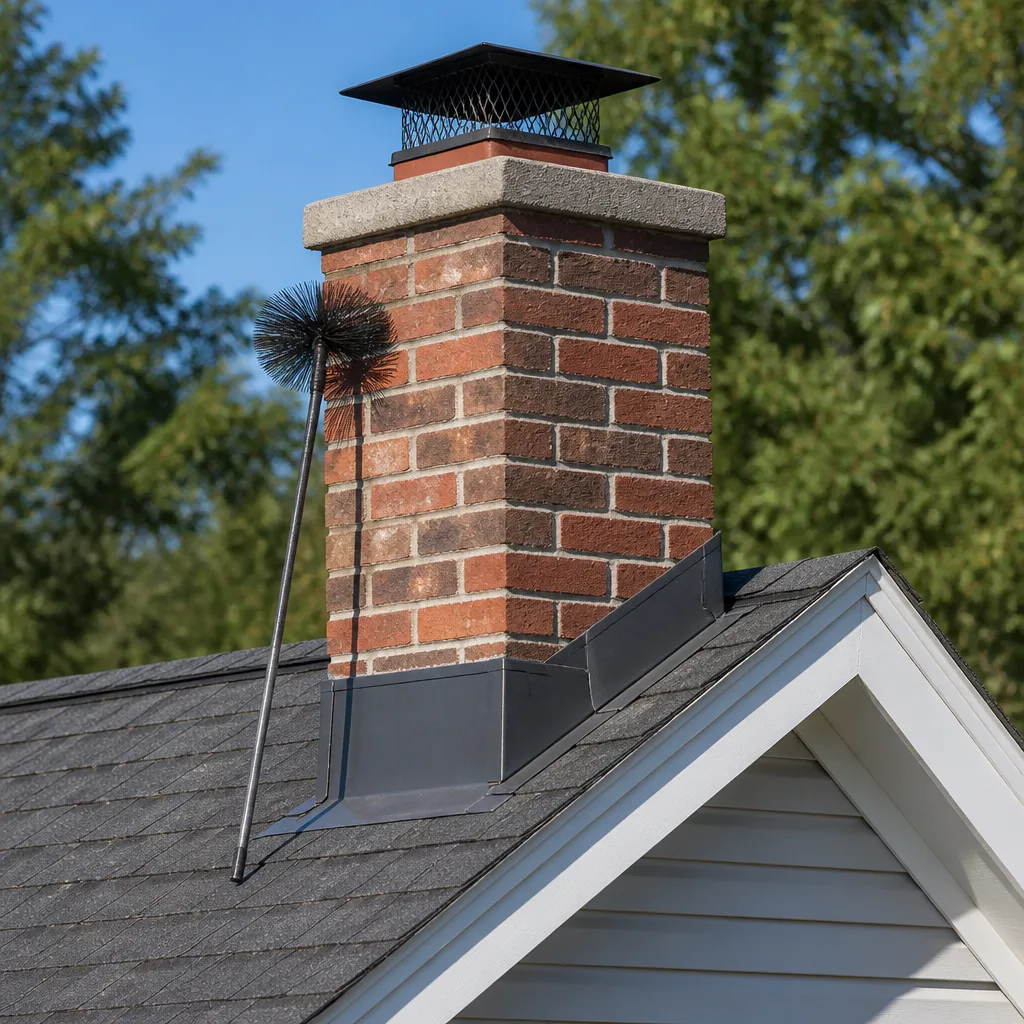 Sweep & inspection
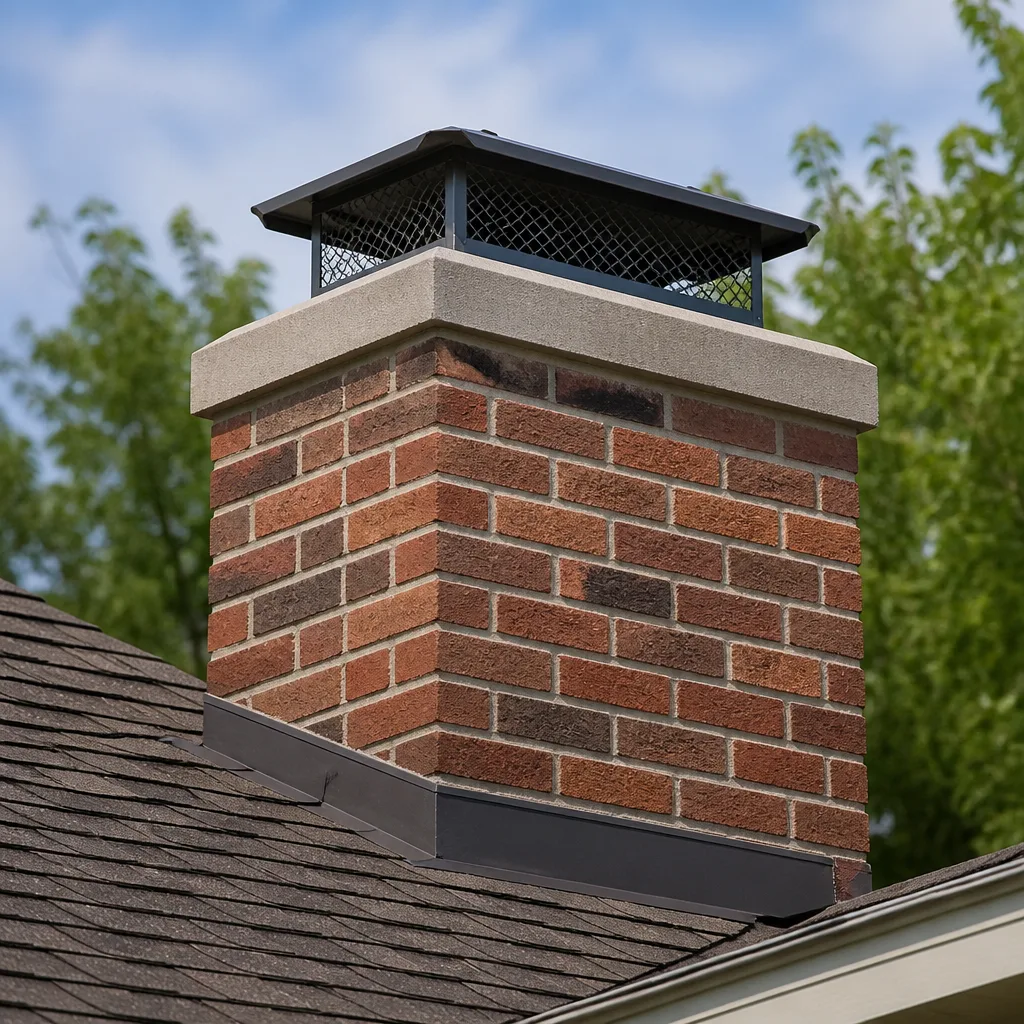 Caps & crowns
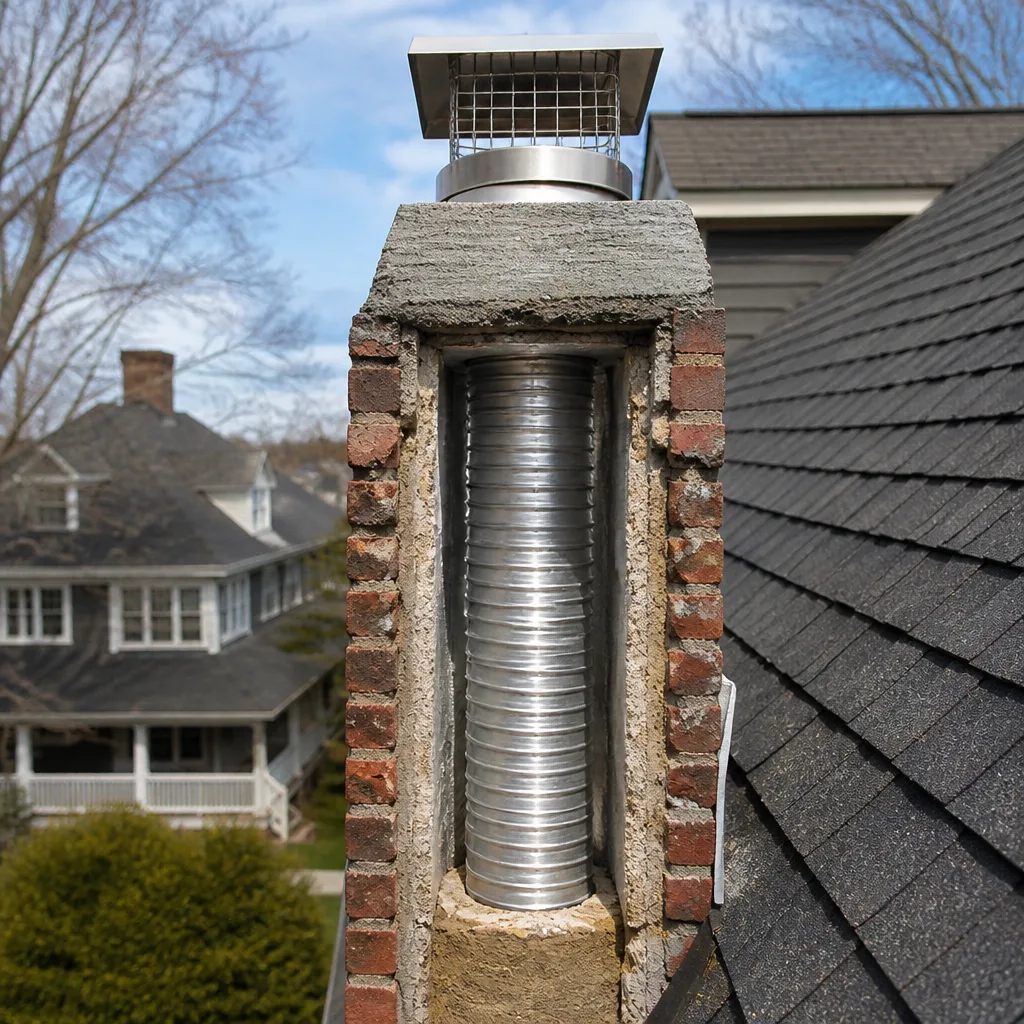 Flue relining
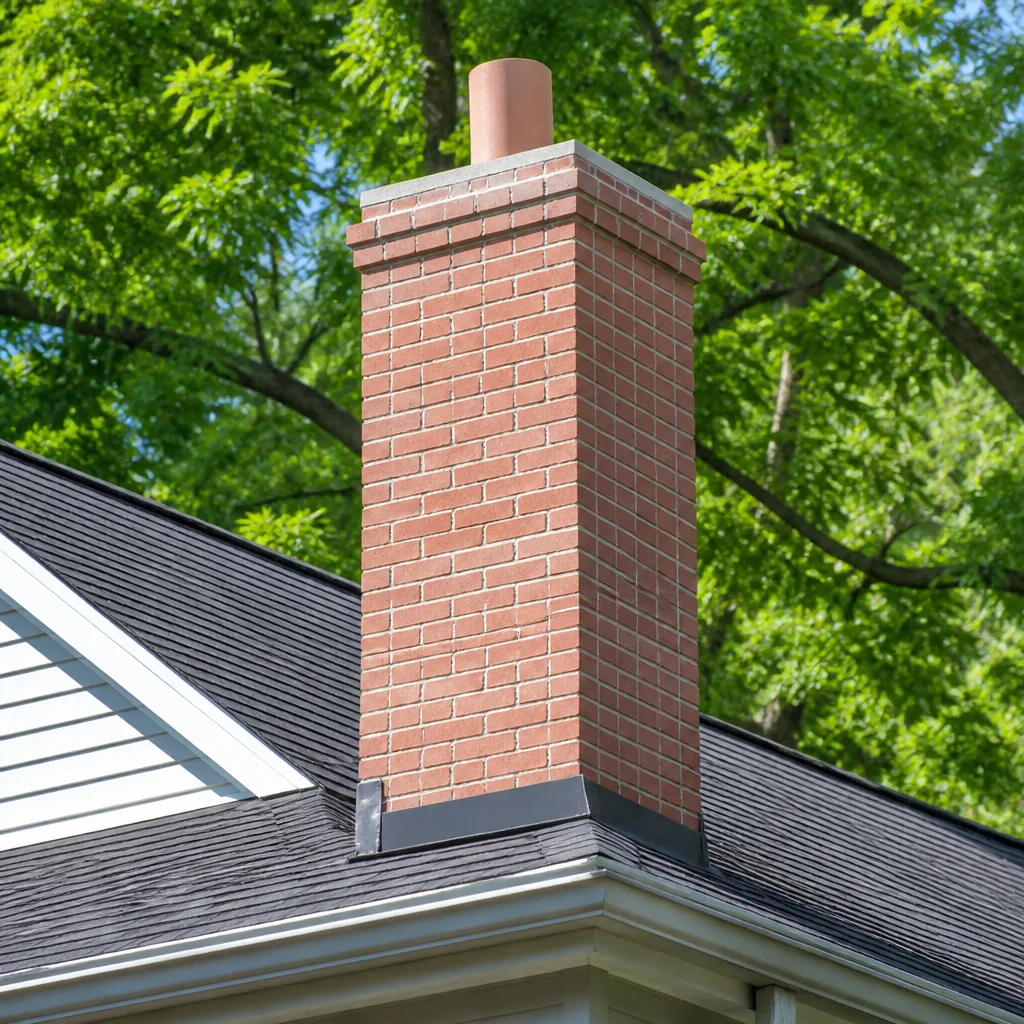 Masonry repair
 Gas fireplace service
Level 1 sweep and inspection to the NFPA 211 annual standard - flue, crown, cap, and flashing checked and photographed
Chimney sweep logs do not sweep chimneys. They loosen some creosote - which then falls where a brush and vacuum still have to collect it.
DIY vs Professional Chimney Cleaning: The West Valley City Homeowner’s Decision Guide
A homeowner with a $45 brush kit can remove light soot from a straight flue. What that same $45 brush cannot do is see the cracked tile liner section hiding behind the smoke chamber baffle. It will clean right past it, happily, and hand you back a fireplace that looks clean and may not be safe to burn in. That gap between what cleaning removes and what cleaning reveals is where this entire debate lives, and it’s the part most DIY-versus-pro comparisons skip. This guide walks through what a mechanically capable homeowner can genuinely handle, the hard line where DIY stops being a reasonable choice, and the decision framework we use when talking with homeowners across West Valley City about their own chimneys.
Quick Answer
Professional chimney cleaning is the safer choice for most West Valley City homeowners because a sweep is only half the job – the inspection that follows is what actually confirms the chimney is safe to burn. DIY brush work can safely handle light surface soot and debris on a straight flue with a known, newer stainless liner, but it can’t assess liner integrity, and it leaves no documented record for insurance or warranty purposes. If your flue is straight, your liner is recent stainless, and you just want post-season soot removed, DIY is reasonable. If any of those conditions aren’t true, book a professional.
Styles & brands we work with
- Sweep & inspection
- Caps & crowns
- Flue relining
- Masonry repair
- Gas fireplace service
Table of Contents
- What DIY Chimney Cleaning Can Actually Handle Safely
- The Hard Line: Where DIY Cleaning Has to Stop
- Why a Camera Inspection Matters More Than the Brush
- The Real Equipment Cost of Doing It Right
- Insurance, Warranty, and the Documentation Gap
- A Decision Framework for West Valley City Homeowners
- How West Valley City’s Climate and Housing Shape the Job
- What a Professional Sweep in West Valley City Actually Includes
What DIY Chimney Cleaning Can Actually Handle Safely
Let’s start with what’s honest: several chimney maintenance tasks are genuinely within reach for a careful homeowner with basic tools and a willingness to get dirty. We’re not going to pretend otherwise. If you have a wood-burning fireplace and a straightforward flue, there’s a real list of things you can do yourself between professional visits.
Here’s what a mechanically capable homeowner can safely handle:
- Firebox brushing. A stiff chimney brush or wire brush against the firebox walls removes loose soot and creosote flakes from the firebox itself. This is surface work and doesn’t require climbing anything.
- Damper cleaning. The damper plate collects soot and can stick or seize. Wiping it down and working it open and closed clears light buildup.
- Cap debris removal. If you have a spark-arresting cap and can safely reach the roof edge, clearing leaves and twigs off the cap screen is reasonable. Never get on a steep roof or work near the edge without fall protection.
- Ash removal. Emptying the firebox ash pan or shoveling out cooled ash between burns.
- Visual glance up the flue. Shining a flashlight up the flue from the firebox to check for obvious blockages. This is a glance, not an inspection – and the difference matters.
Notice what’s not on that list. Nobody above is scoping the flue, nobody is checking liner tile joints, nobody is evaluating the smoke chamber transition or the crown. That’s not an accident. Those tasks require equipment and training that most homeowners don’t have on hand, and getting them wrong can damage a flue or, worse, give you false confidence in a chimney that isn’t safe. If you want the honest trade answer: the visible, low-risk surface work is yours. The diagnostic work isn’t.
One more piece of local context. West Valley City homes run a wide range, from older masonry chimneys near the historic downtown corridor to newer construction out toward the western bench. Older fireboxes are often larger and get dirtier faster, so the DIY surface work has more value there – but the same older masonry is also where liner problems hide. The more your chimney has aged, the less DIY is genuinely enough. For a full sweep that goes beyond the firebox, see our chimney sweep page.
The Hard Line: Where DIY Cleaning Has to Stop
There’s a specific point where the DIY approach stops being a money-saver and starts being a safety gamble, and that point is the smoke chamber. This is the sloped transition between the firebox and the flue, and it’s the single most common place a chimney problem hides in plain sight. It’s also the part a homeowner with a brush and a flashlight almost never sees.
Here’s the hard line. Do not attempt DIY chimney work if any of the following is true:
- You can’t see the full length of the flue liner. If a flashlight only shows you the first few feet, you cannot verify the rest of the liner is intact.
- Your liner is unlined, clay tile, or of unknown age. Old clay tile cracks, spalls, and gaps at the joints. A brush clears soot but leaves the crack in place.
- You’re seeing heavy creosote. Flaky, tar-like, or glazed creosote is not removable with a standard brush and is a genuine fire risk. That’s a professional job.
- You smell smoke indoors or see staining near the chimney. Both point to drafting or seal issues that need diagnosis, not cleaning.
- You’re on a roof steeper than you’re comfortable with, or you don’t have fall protection. Chimney sweeps aren’t worth a fall, and no chimney is worth a broken leg.
- You have a gas appliance or a factory-built fireplace with a sealed chase. These have different cleaning rules than a traditional masonry fireplace and should be assessed by someone who knows the appliance.
We’re going to say the safety part directly. Chimney work involves heights, confined spaces, and in the case of a wood-burning appliance, a real carbon monoxide and chimney fire risk if something is wrong. A trained professional is the right call whenever the diagnosis isn’t obvious. Our technicians have up to 15 years of experience, and a good chunk of that experience is walking into a home where a homeowner cleaned the visible section and missed what was actually going on behind the smoke chamber.
Why a Camera Inspection Matters More Than the Brush
Here’s the thesis of this whole guide, so we’ll say it plainly: the brush is the easy half. The camera is what makes the sweep worth it. A chimney brush removes what’s clinging to the flue wall. A camera scope – a video inspection run down the flue and evaluated on the spot – is what tells you whether the flue wall itself is in one piece. Those are two fundamentally different jobs.
What a camera inspection reveals that a flashlight never will:
- Cracked or spalled liner tile behind the smoke chamber baffle – the spot a brush quietly cleans past.
- Gaps at liner joints where heat and carbon monoxide can escape into the chase or the framing.
- Deteriorated mortar at the flue joints that looks intact from the firebox but isn’t from above.
- Blockages and bird or squirrel nests well up in the flue where a glance can’t reach.
- Corrosion or separation on metal liners, especially at the top where condensation collects.
Why does this matter specifically in West Valley City? Because the local burn season is long. Homes here run fireplaces from late fall well into spring, which means hundreds of burn cycles between cleanings. Creosote builds up over that stretch, and small liner defects widen a bit each season. A camera inspection catches that drift early, when a fireplace repair like HeatShield liner resurfacing can restore the flue rather than a full relining being needed. That’s the real value: catching a $1,000 problem before it becomes a $4,000 problem. It’s also why we treat the inspection as its own service, separate from the sweep, so nobody gets pushed into work they didn’t come in for.
The Real Equipment Cost of Doing It Right
The perceived savings of DIY chimney cleaning are real on paper and quiet in practice. A basic brush kit runs about $45. But a brush kit is not a chimney sweep setup. If you want to actually do the job right – cleaning the whole flue, verifying the result, and doing it without filling your living room with soot – here’s roughly what the equipment list looks like.
- Correctly sized chimney brush. Not one brush, several – a brush matched to your flue dimensions. Wrong-sized brushes either don’t touch the walls or jam in the flue. Figure $30-$80 per brush.
- Flexible rods. Long enough to reach the full flue length, and flexible enough to follow the flue. $40-$120.
- HEPA vacuum. A shop vac will spread fine soot through your house. A true HEPA-rated vacuum for indoor use runs $200-$600.
- Camera scope. The equipment that actually matters. A homeowner-grade borescope with a long enough cable and usable resolution runs $150-$400 – and even then, interpreting what you’re looking at is the hard part.
- Drop cloths, PPE, and dust control. Respirator, goggles, gloves, canvas drop cloths, sealing tape. Another $80-$150.
Add it up and you’re looking at roughly $500 to $1,300 in equipment to approach what a professional brings to the job – and the professional already has the training to use it and the context to interpret what the camera shows. That number is the honest counter to the $45 brush kit savings, and it’s the number most DIY-vs-pro comparisons leave out. A professional sweep is priced per job with a free estimate up front, and the estimate sets the final price. We don’t think anyone should buy $1,000 in equipment to avoid a single call. But if you’re handy, already own a HEPA vac and a scope, and your chimney falls into the “safe to DIY” category described below, the calculation changes.
Insurance, Warranty, and the Documentation Gap
This is the part of the DIY debate that gets almost no airtime and probably deserves the most. Cleaning your own chimney doesn’t cancel your homeowners insurance, and no one is going to deny a claim because you ran a brush. But documentation matters after a loss, and self-cleaning leaves you with nothing to document.
Here’s how the gaps work:
- Insurance claims. If a chimney fire or smoke damage claim ever happens, the adjuster will ask when the chimney was last professionally inspected. “I cleaned it myself last fall” is a much harder position than a written inspection report from a professional. It’s not a denial, but it shifts the burden onto you.
- Appliance and liner warranties. Many stainless liner manufacturers, including the professional-grade lines like Olympia Chimney and DuraFlex, tie warranty terms to documented professional installation and inspection. DIY cleaning without any professional record can complicate a warranty claim even when the liner itself is fine.
- Real estate transactions. West Valley City homes change hands constantly, and a buyer’s inspector will ask for chimney documentation. A standalone professional inspection report is easy to produce. A DIY story is not.
- Post-season verification. If your partner or a future buyer asks “is the chimney safe to burn?” you want an answer with evidence behind it, not a “I think so.”
None of this means you should never touch your chimney. It means that annual professional documentation is worth having in the file, even if you do some of the surface maintenance yourself. A standalone inspection is exactly that – an assessment, with a report, and no upselling. Our team at West Valley City Chimney Sweep treats the inspection as its own thing so you can get that documentation without booking work you don’t need.
A Decision Framework for West Valley City Homeowners
Time to get concrete. Here’s the framework we’d use if we were standing in your living room. Read it honestly – most homeowners find out quickly which side of the line they’re actually on.
DIY is reasonable when ALL of the following are true:
- Your flue is straight – no offsets, no bends, no factory-built chase with tight clearances.
- Your liner is recent stainless (installed by a professional, with documentation you have on hand).
- You’re only removing light, powdery post-season soot – not heavy or glazed creosote.
- You have no smoke smell, no water intrusion, and no visible damage at the firebox or above the roof.
- You’ve had a professional camera inspection within the last year or two that came back clean.
- You have or can borrow proper PPE and a HEPA vacuum, and you’re comfortable with the dust control.
Professional service is the right call when ANY of the following is true:
- Your liner is clay tile, unlined, or of unknown age.
- You’ve never had the chimney inspected, or it’s been more than a couple of seasons.
- You’re seeing heavy creosote buildup, especially glazed or tar-like creosote.
- You’ve had a chimney fire, even a small one, or you’ve smelled smoke indoors.
- You recently bought the home and don’t have the chimney’s history.
- You have a gas appliance or a factory-built fireplace.
- You’re prepping for the burn season and want the chimney verified before you start using it again.
The honest summary: if you’re already a careful DIY-er with a newer, documented stainless liner and clean inspection history, running a brush for light post-season soot is fine. Everyone else – especially anyone with an unknown chimney or a pre-burn-season safety question – should have it looked at by a professional. That’s the whole decision. For a full professional sweep in West Valley City, our team handles the brush and the camera in one visit, and the price is set per job by the written estimate.
How West Valley City’s Climate and Housing Shape the Job
Local context matters more than homeowners expect. A chimney in West Valley City doesn’t age the way a chimney in a humid climate does – but that doesn’t mean it ages slowly. It means it ages differently, and the differences shape what cleaning actually needs to accomplish.
The valley’s dry air and wide seasonal temperature swings put real stress on masonry. The freeze-thaw cycling on cold winter nights and warm afternoons is hard on mortar joints and chimney crowns, and the summer heat pulls moisture out of masonry fast. That cycle causes cracking and spalling over time, most often at the crown and the flue joints. On a bathtub-shaped decision: a homeowner who is only doing the brush half never sees the crown cracks, because they can’t see the crown from the ground and shouldn’t be on the roof to check it.
The burn season itself matters. West Valley City’s fireplaces run long – think late October through March, with some homes carrying on into April. That’s hundreds of burns between cleanings, and creosote accumulates steadily. Late summer and early fall, before you light that first fire of the season, is the natural window to have a professional evaluate the chimney. If the inspection finds the crown cracked or damaged, a chimney cap & crown repair done before the first freeze saves a lot of later trouble. If the flue liner itself is deteriorating, that’s the point where HeatShield resurfacing can restore it without a full reline – a middle option a lot of homeowners don’t know exists, and one not every chimney company is set up to offer.
The housing stock adds to the picture. Homes near the older parts of West Valley City often have original masonry chimneys with clay tile liners that are now of an age where joints are starting to give. Newer construction out toward the west bench more often has stainless liners with documented installs, which shifts the decision toward the DIY-friendly side. Whichever side you’re on, understanding the specific chimney matters more than a general rule. That’s what an inspection provides. Our crew works across West Valley City on everything from routine sweeps to structural chimney repair, so we’ve seen the range of what a “typical” local chimney actually looks like – and it’s rarely typical.
What a Professional Sweep in West Valley City Actually Includes
If you’ve decided to book a professional, here’s what you should expect. Knowing the steps helps you tell a real sweep from a quick brush-and-go.
- Setup and containment. Drop cloths, sealing the firebox opening, and connecting a HEPA vacuum to the firebox to capture dust before it goes into your house.
- Firebox and damper cleaning. Brushing the firebox walls, cleaning the damper, and clearing the ash.
- Full-length flue sweep. The correctly sized brush run from the top down or bottom up, depending on flue configuration, cleaning the entire flue length – not just what’s visible.
- Smoke chamber and shelf. The transition zone above the firebox gets its own attention because that’s where debris collects and where the brush alone misses defects.
- Camera inspection. A video scope down the flue to check liner integrity, joints, and blockages. This is the part that separates a real sweep from surface cleaning, and it should be documented.
- Crown and cap check. The crown and the cap are checked for cracks, missing screens, and pest damage. If the cap needs replacing, we stock and install Gelco and Famco caps – recognizable trade-supply brands rather than generic big-box options.
- Photo report and walkthrough. You see what the camera saw and hear the result plainly, including whether anything needs repair and what can safely wait.
That structure is what makes the “did I really need that?” question easy to answer. Nothing gets recommended without camera evidence you can see for yourself. If the inspection comes back clean, we tell you so. If a repair can wait a season, we tell you that too – the flue is not going to fail overnight because of a small mortar gap, and false urgency helps no one. When work is needed, it’s handled by our team with the brands chimney specialists rely on – DuraFlex, HeatShield, Olympia Chimney, Gelco, Famco, and Copperfield. Chimney work is all we do, and our technicians have up to 15 years of experience. If you want the full picture first, our West Valley City Chimney Sweep home page is a reasonable place to start.
Common Mistakes to Avoid
- Buying a brush kit with no plan for the inspection. Cleaning removes soot; it doesn’t tell you whether the liner is intact. Skipping the inspection half of the job is the single most common DIY mistake, and it’s the half that actually determines whether the chimney is safe to burn in.
- Using the wrong brush size. An undersized brush skips the walls; an oversized brush jams in the flue or damages a clay liner. In West Valley City’s older masonry homes, a wrong-sized brush against 30-plus-year-old clay tile can crack the very tile you’re trying to keep sound.
- Cleaning with a standard shop vac. Shop vacs spread fine soot rather than capturing it, and fine soot travels through the whole house. A HEPA-rated vacuum and proper containment aren’t optional if you have forced-air HVAC running.
- Assuming a clean firebox means a clean flue. The firebox is the most visible part and the easiest to clean, so it’s the least informative. A spotless firebox with a soot-packed flue behind it is a common and dangerous combination.
- Burning softwood without adjusting the cleaning schedule. Pine and other softwoods throw more creosote per burn, and the long West Valley City burn season compounds it. If your wood supply is heavy on softwood, plan to have the chimney checked more often than the “once a year” rule suggests.
- Ignoring the crown because it’s on the roof. Freeze-thaw cycling here cracks crowns faster than people realize, and a cracked crown lets water into the masonry. You don’t need to be on the roof to fix this; you do need to have someone look.
- Cleaning without documenting it. Any claim, warranty question, or future home sale will want a record. Even if you do the surface work yourself, have the professional inspection documented so the file exists when it matters.
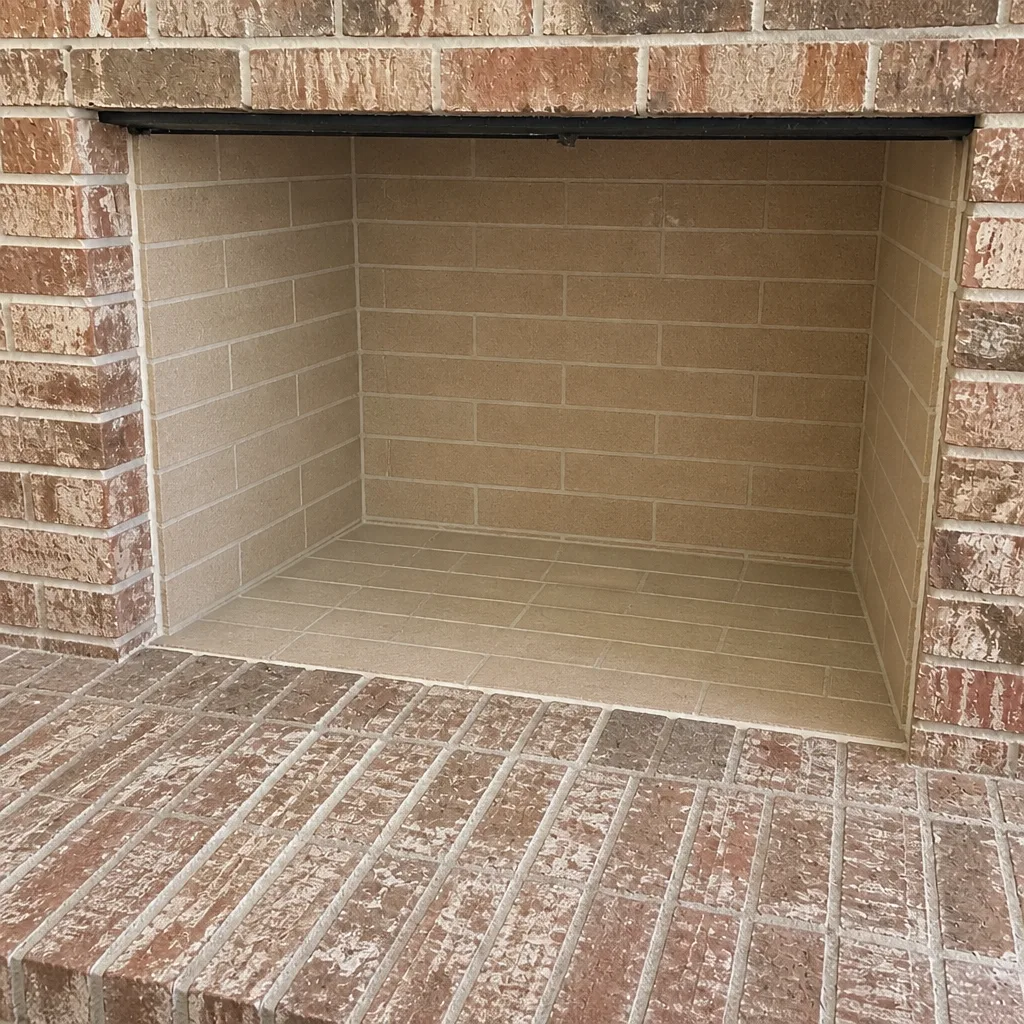
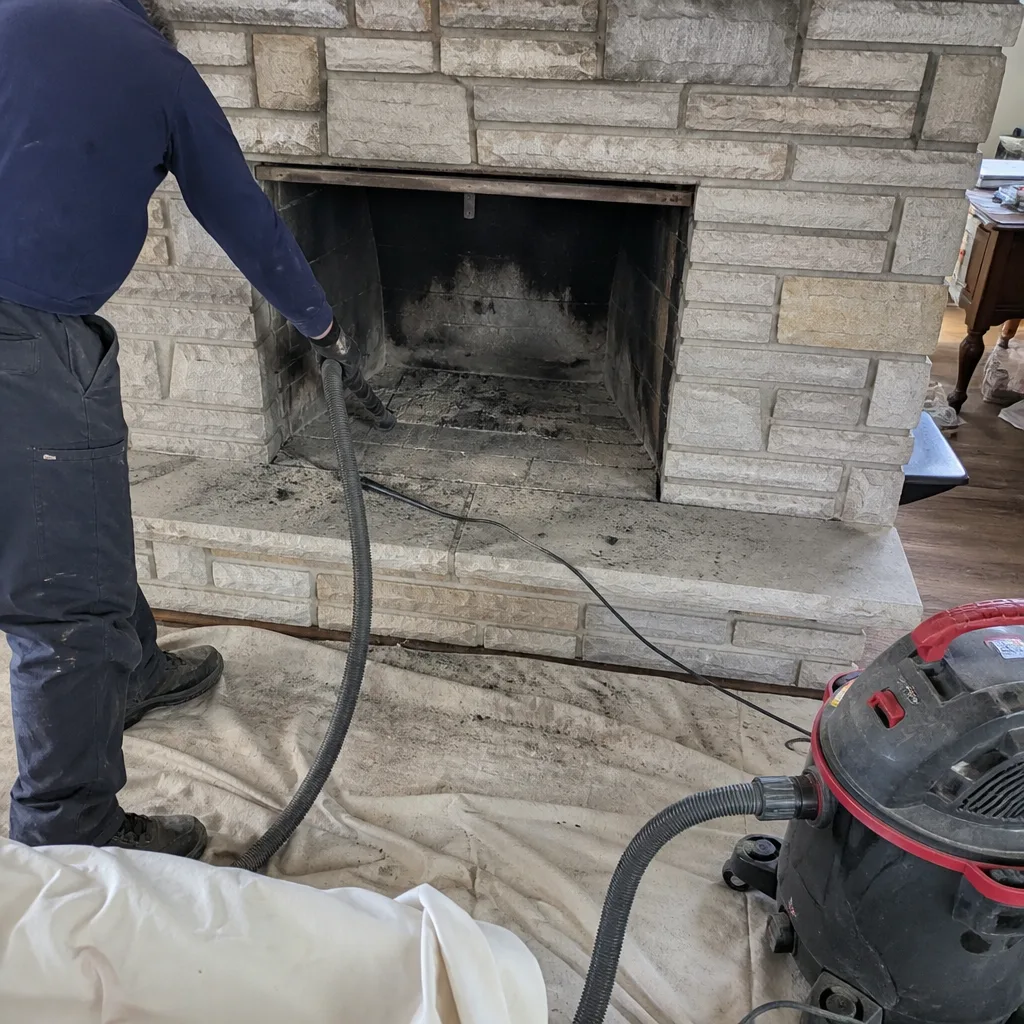
See the difference
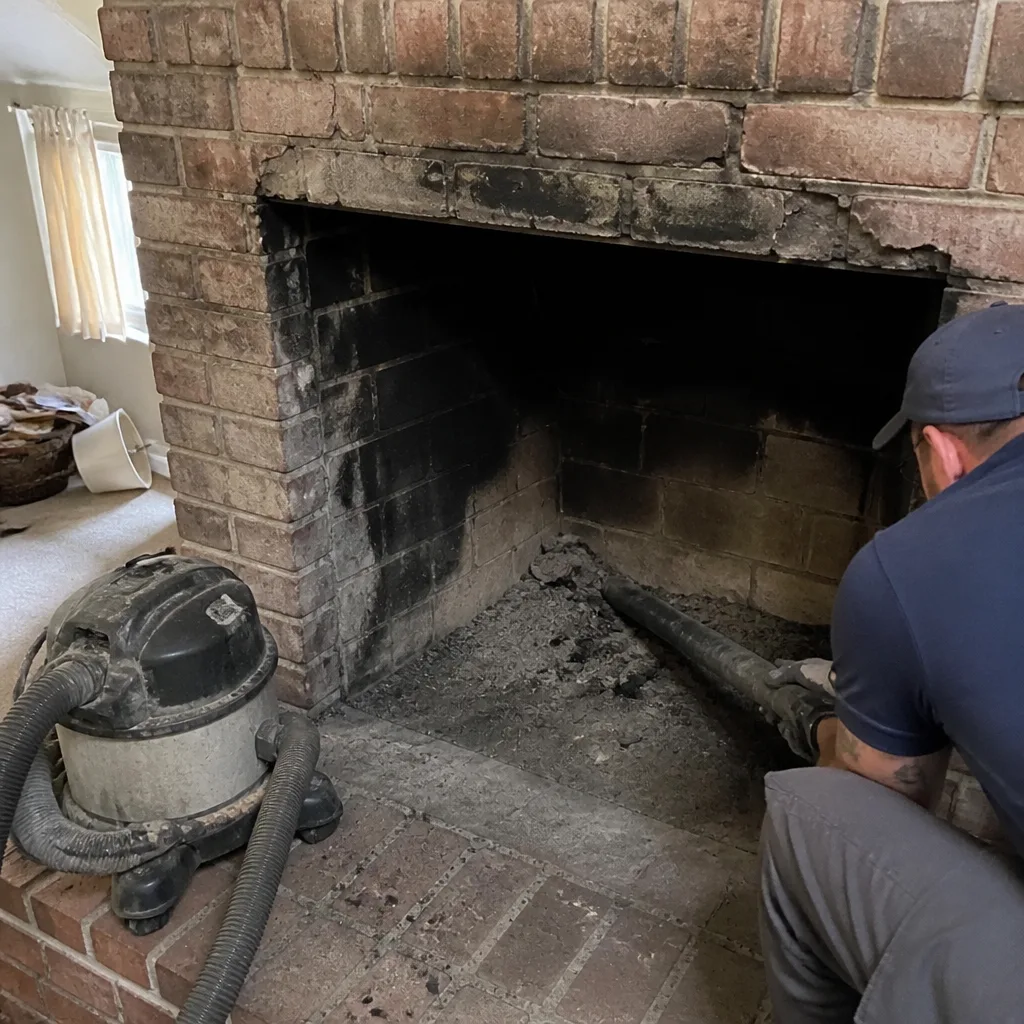 Before
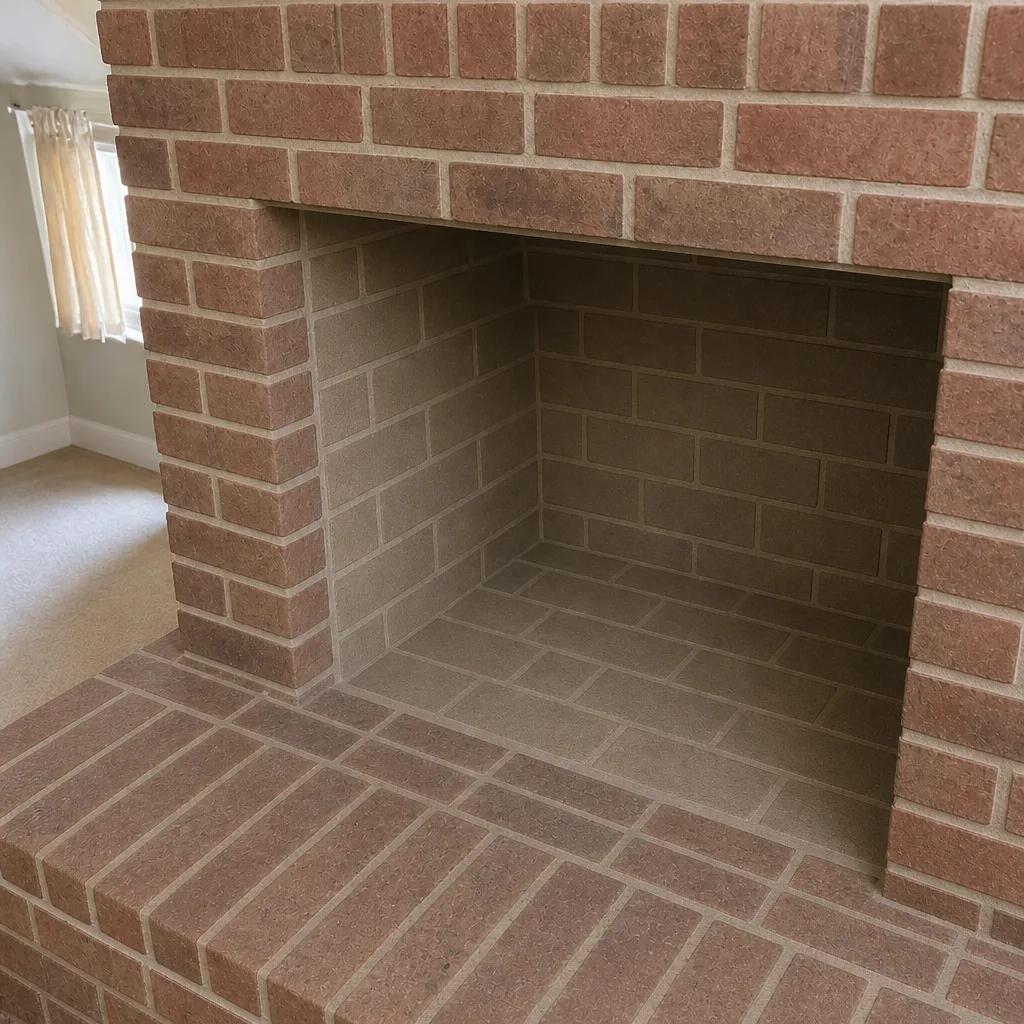 After
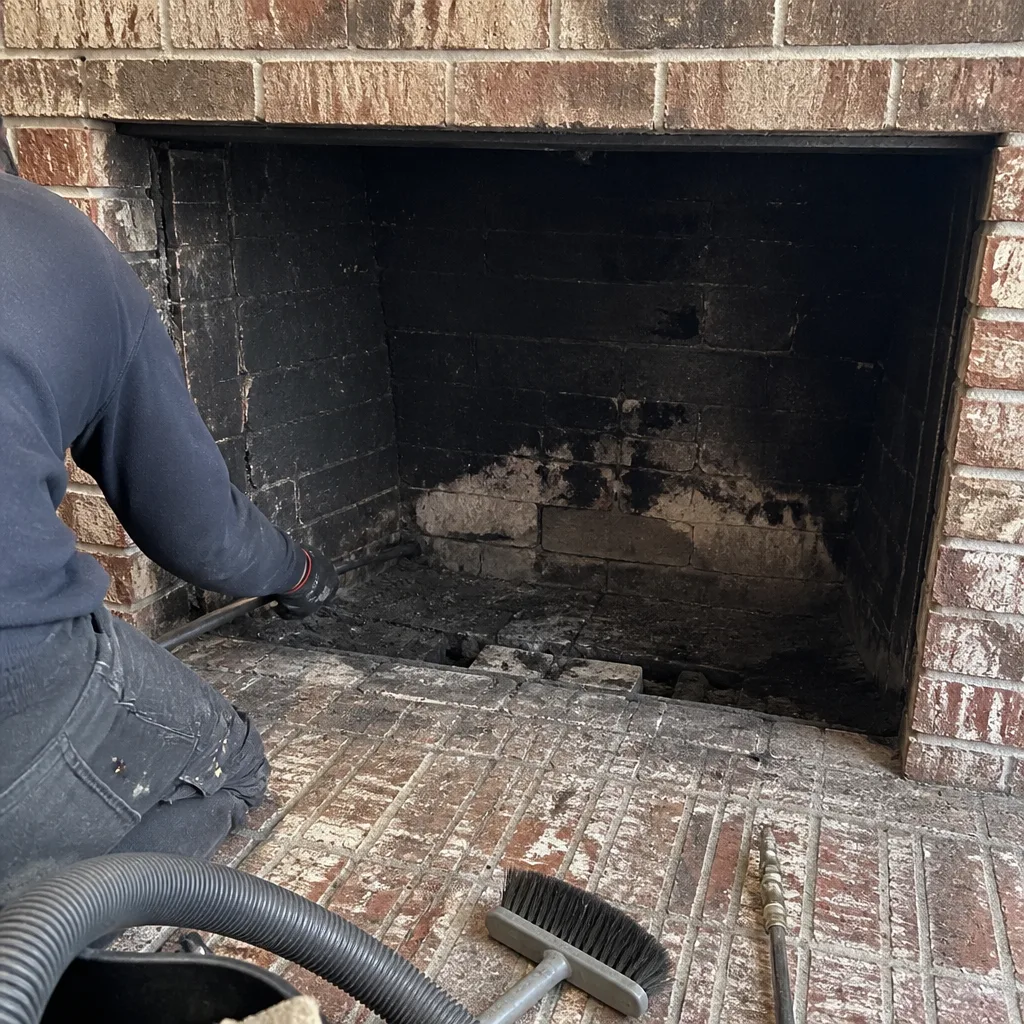 Before
 After
 Before
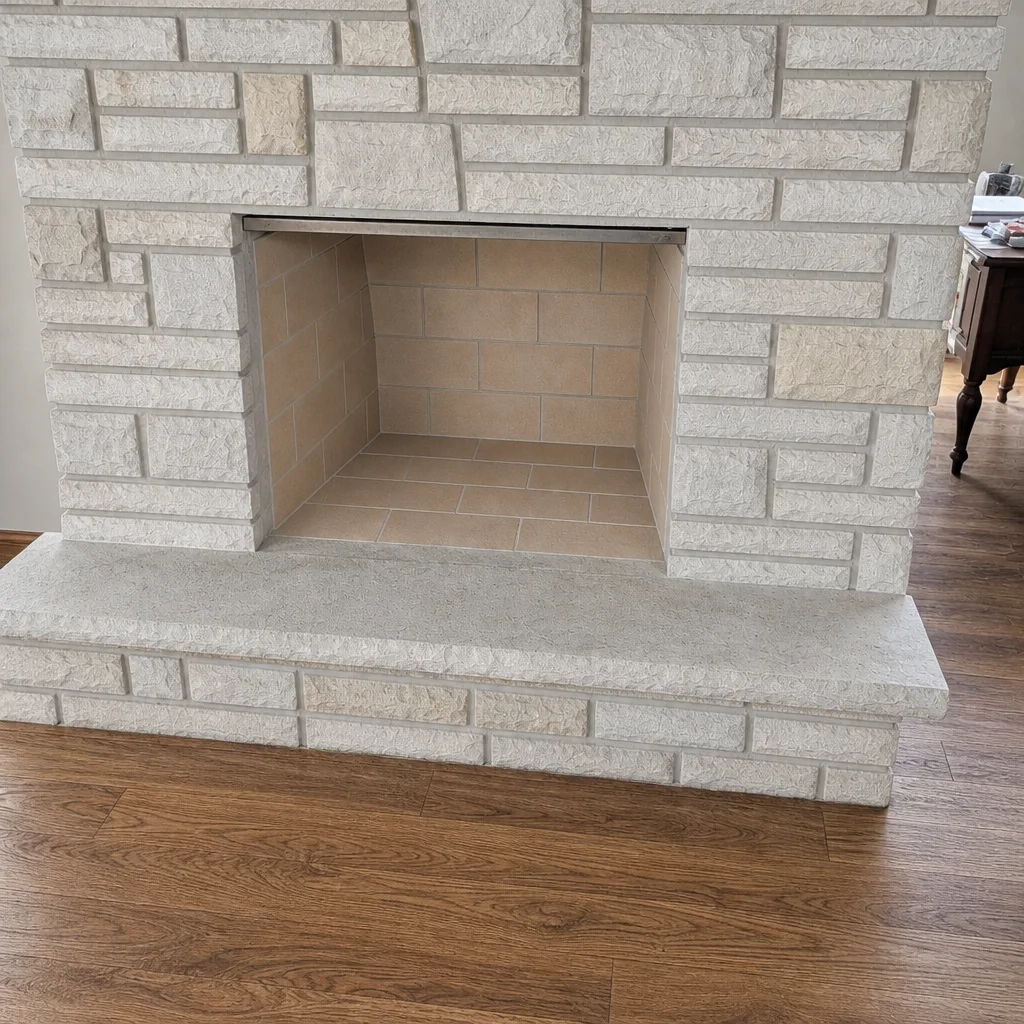 After
When to Call a Professional
Call a professional whenever the DIY decision framework above lands on the “any of the following” list. That means: you’ve never had the chimney inspected, your liner is clay tile or of unknown age, you’re seeing heavy or glazed creosote, you’ve had a chimney fire or smelled smoke indoors, you recently bought the home, or you’re prepping for the burn season and want the chimney verified before you light it up. Any one of those is enough. You don’t need to wait for all of them to line up.
West Valley City Chimney Sweep offers free estimates in West Valley City – call (877) 792-7416. We answer 24/7. Fast dispatch from 7am to 7pm, Sunday through Friday. The inspection is standalone and comes with a camera report, so you get a plain yes-or-no answer about safety without any upsell pressure.
Frequently Asked Questions
Yes, but only in a narrow case: a straight flue with a recent, documented stainless liner, light post-season soot, and a clean professional inspection history. Clean the firebox, damper, and cap debris yourself, and leave the full flue sweep and the camera inspection to a professional. If any of those conditions aren’t true, DIY cleaning risks missing what actually matters.
Chimney sweeping is priced per job with a free estimate up front, and the written estimate sets the final price – there’s no one-size price because a straight flue sweep and a sweep plus inspection with camera documentation are different jobs. Call us at (877) 792-7416 for an exact quote, and we’ll evaluate the chimney and tell you honestly what’s needed. Estimates are free, and nothing gets recommended without camera evidence you can see.
Yes, because the camera is the only way to assess liner integrity – a brush cleans the flue but can’t see cracks, gaps, or deteriorated joints behind the smoke chamber. Keeping the flue clean makes the inspection easier, but it doesn’t replace it. Think of the sweep and the inspection as two separate tasks, and the inspection is the one that determines safety.
Most wood-burning fireplaces should be inspected at least annually, and swept when the buildup warrants it. In West Valley City, where the burn season runs long from late fall into spring, many homes accumulate enough creosote in a single season that a once-a-year sweep before burning season is the safe minimum. Homes burning heavier softwood should be checked more often.
Skipping the professional inspection means going without a documented record of your chimney’s condition – which matters for insurance claims, appliance and liner warranties, and future real estate transactions. More importantly, you’re missing the one step that would catch a cracked liner or a failed joint. It won’t fail you overnight, but it retires your safety margin quietly. Call (877) 792-7416 for a standalone inspection if you want documentation without booking anything else.
Yes, because the professional part isn’t mainly the brush – it’s the camera, the trade knowledge, and the documentation. You can absolutely do the surface maintenance and save money there. What you can’t replicate is the flue assessment that comes with a professional sweep. If your chimney falls into the DIY-safe category, consider doing the surface work yourself and booking the professional inspection annually for the diagnosis and the record.
The Bottom Line
The DIY-versus-pro debate is mostly about the wrong half of the job. Cleaning is mechanical, and a capable homeowner can handle parts of it. Inspection is diagnostic, and it’s the half that determines whether your fireplace is safe to use. The decision framework comes down to three questions: Is the flue straight? Is the liner recent stainless with documentation? Is the buildup light? If all three are yes, some DIY surface work is reasonable. If any one is no, book a professional. Every West Valley City homeowner with a question about where their chimney sits on that line is welcome to call (877) 792-7416. Estimates are free, and the inspection is the answer that actually matters.
Written by the team at West Valley City Chimney Sweep.