
Last updated November 25, 2026
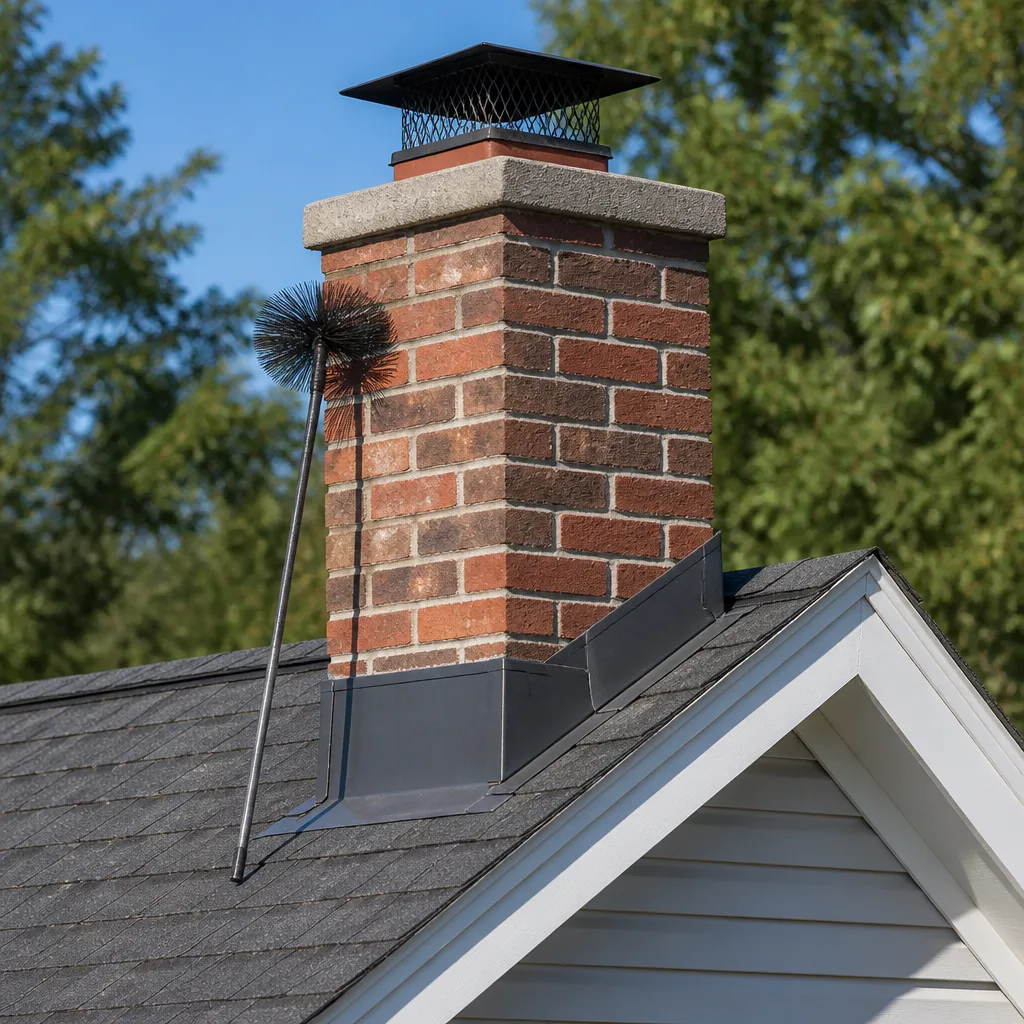 Sweep & inspection
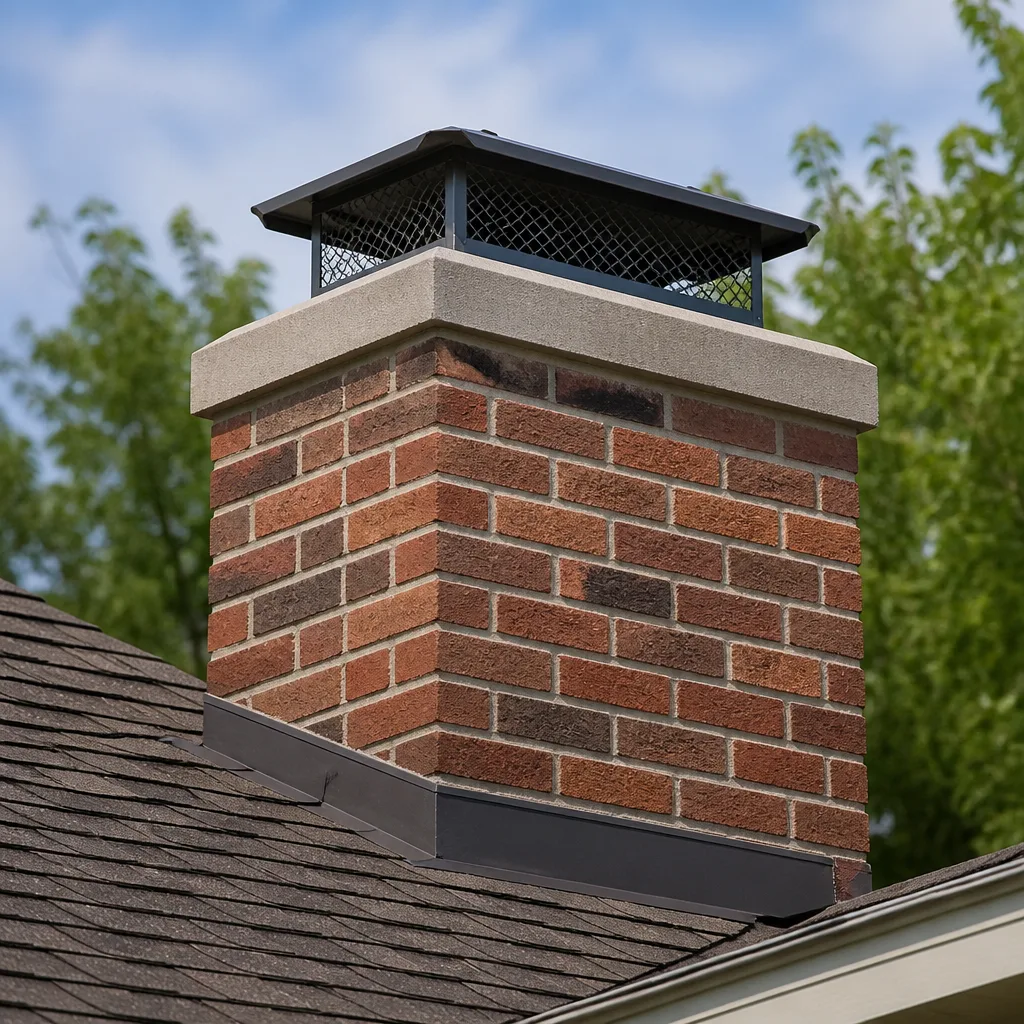 Caps & crowns
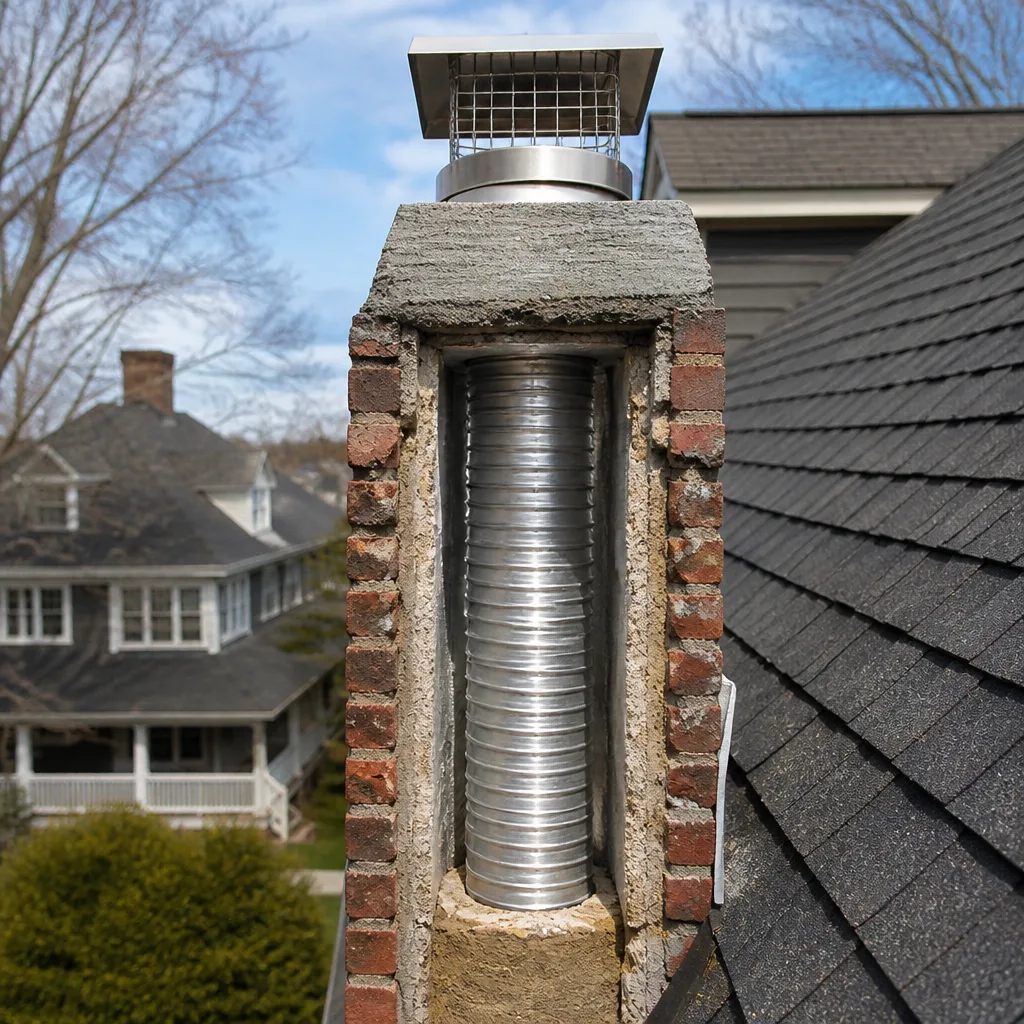 Flue relining
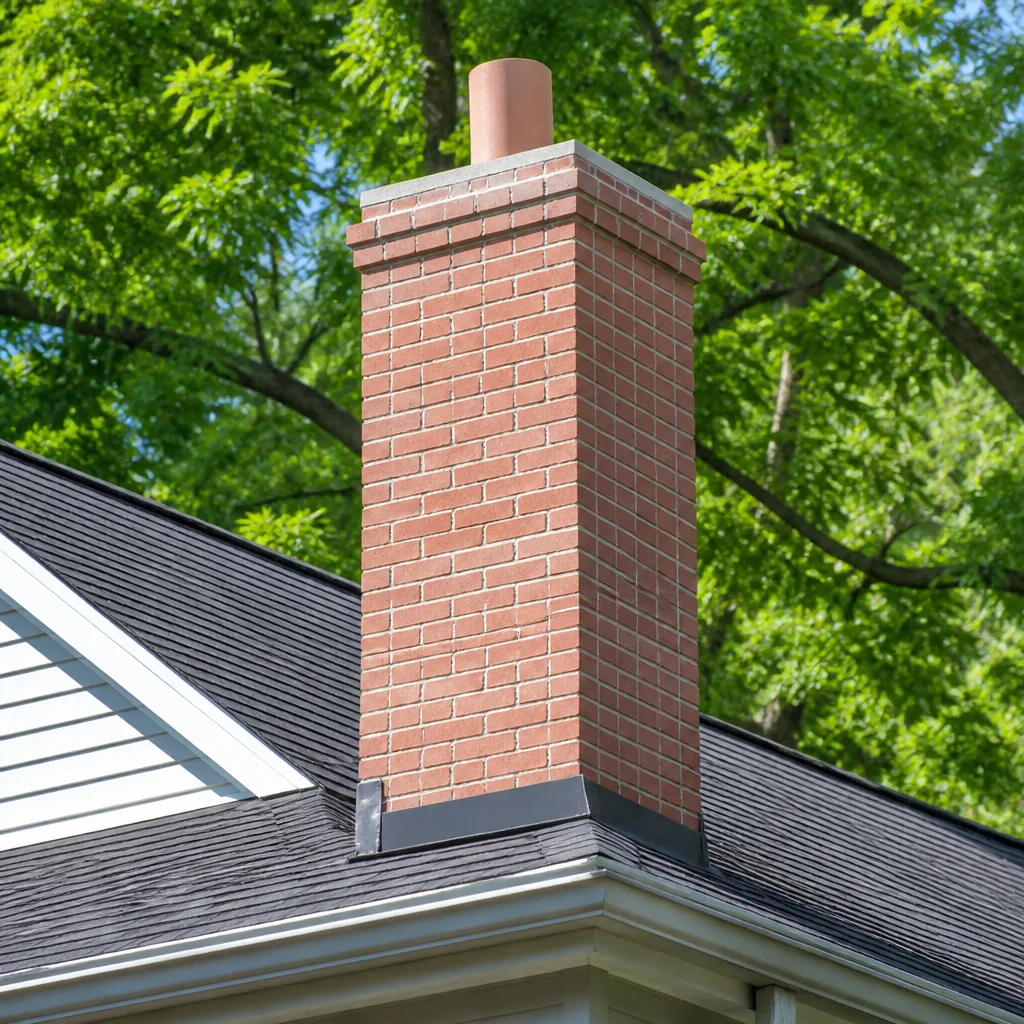 Masonry repair
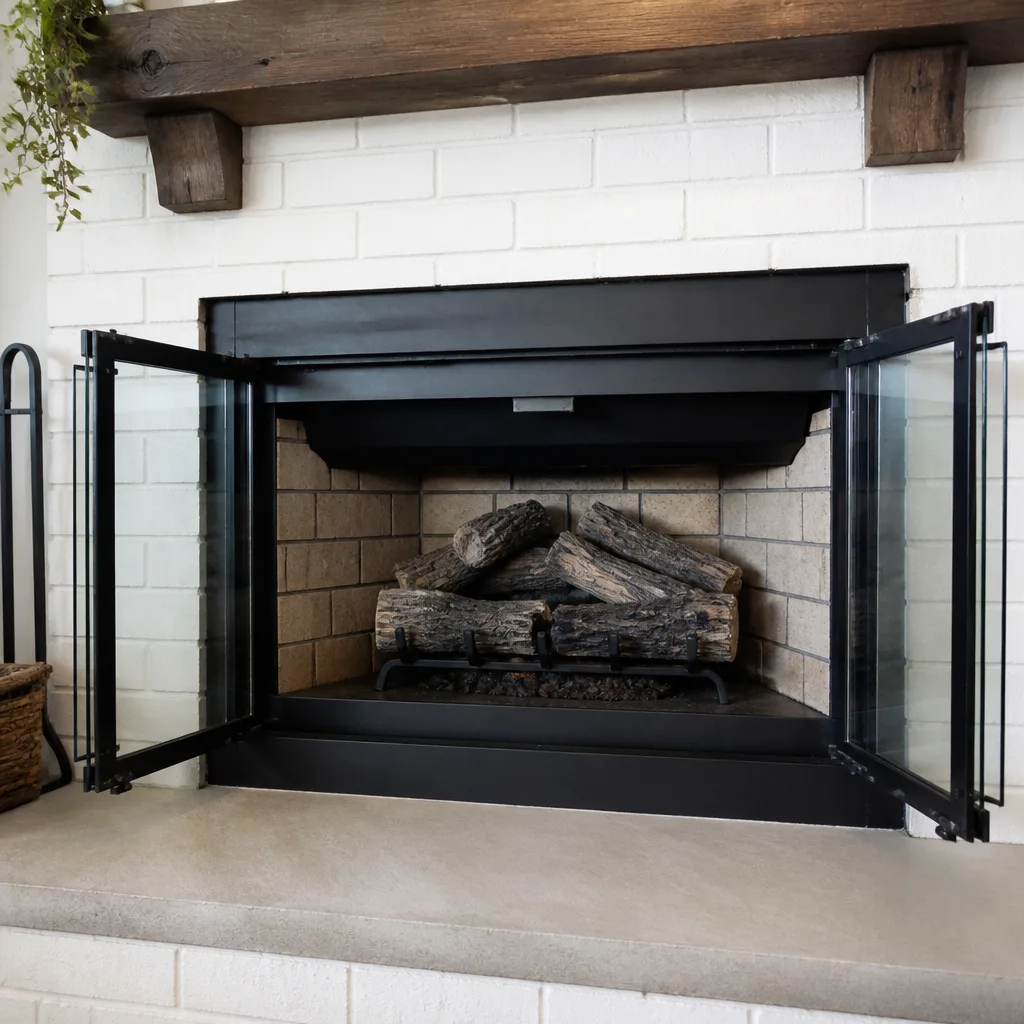 Gas fireplace service
Level 1 sweep and inspection to the NFPA 211 annual standard - flue, crown, cap, and flashing checked and photographed
Chimney sweep logs do not sweep chimneys. They loosen some creosote - which then falls where a brush and vacuum still have to collect it.
Choosing the Right Chimney Cleaning Brand: A Buyer’s Guide for West Valley City
A hardware-store masonry sealer and a professional-grade chimney water repellent are not the same product in a different can. One lets the masonry breathe, the other can trap moisture inside the brick and accelerate the very spalling it was bought to prevent. That gap between what chimney products are marketed to do and what they actually do to a chimney is the whole reason this guide exists. If you own a wood-burning or gas fireplace in West Valley City, the brand and product line behind a sweep, a sealer or a liner repair decides whether the job holds up through a Utah freeze-thaw cycle. Below, we walk through the product categories you’ll meet, which brands working sweeps actually reach for, how to match products to your liner type, and the one question that separates a real chimney company from a generalist with a brush.
Quick Answer
The right chimney cleaning brand depends on the product category and your liner material, not on shelf appeal. For creosote, professional mechanical sweeping and inspection come first and creosote-modifying logs are only a supplement. For masonry, vapor-permeable sealers rated for chimney use (like ChimneySaver, Rutland and HeatShield products, among others) beat generic masonry sealers. For flue repair, HeatShield liner resurfacing and DuraFlex stainless relining are the professional-grade names most specialists specify, and they should only be applied by someone trained on the substrate you have.
Styles & brands we work with
- Sweep & inspection
- Caps & crowns
- Flue relining
- Masonry repair
- Gas fireplace service
Table of Contents
- What chimney product categories will you actually encounter?
- Do creosote sweeping logs replace a chimney sweep?
- Which brands do professional chimney sweeps actually use?
- How do you match a product to your liner type?
- What’s the difference between a chimney water repellent and a masonry sealer?
- What’s the one question to ask a chimney company?
- Why does a West Valley City chimney need products chosen for this climate?
- Why does the inspection come before the product decision?
What chimney product categories will you actually encounter?
When a homeowner starts researching chimney care, the products pile up fast and most of them aren’t what the marketing suggests. Here’s the honest breakdown of what each category does, versus what it’s sold to do.
Creosote sweeping logs
These are wax-and-chemical logs you burn in the firebox to soften and loosen light creosote deposits. What they do: help a mechanical sweep remove a thin, glazed layer and can reduce the stickiness of fresh creosote between cleanings. What they don’t do: replace sweeping, reach the upper flue, or remove heavy or glazed third-degree creosote. The Chimney Safety Institute of America (CSIA) treats them as a supplemental product, not a substitute for professional cleaning.
Chemical creosote modifiers
Powders and sprays that chemically change creosote so it becomes brittle and easier to sweep. Useful in specific situations, usually applied by a professional who has assessed the flue. Applied to the wrong deposit type they can be wasted effort, and none of them remove creosote from a flue you haven’t inspected.
Crown sealers
A crown sealer coats the concrete crown on top of the chimney to close hairline cracks and stop water intrusion at the most common leak point. This is a real, useful product category, but the sealer must be flexible enough to move with the crown, and the crown must be structurally sound before you seal it.
Waterproofing treatments
These penetrate masonry and repel water from the outside while letting trapped vapor escape. This is where the brand difference is the widest, and where generic hardware-store sealers do the most damage. More on that below.
Flue sealants and liner repair products
HeatShield is the best-known cast-in-place liner resurfacing system for restoring deteriorated clay tile flues. It seals cracks and gaps without tearing out the old liner. Related products include joint repair compounds and refractory mortars used by specialists on specific substrates. These require training on the specific material and the flue type.
Do creosote sweeping logs replace a chimney sweep?
No. A creosote sweeping log is a supplement to a professional cleaning, never a replacement for one, and the CSIA’s official position is that these products are used only as part of a chimney maintenance program that includes regular inspection and sweeping. Burning a log and calling it a sweep leaves the deposit that caused the risk in the first place.
The misunderstanding is worth untangling because it’s common in West Valley City homes with wood-burning fireplaces. Creosote builds in three forms: light soot, a crunchy flaky layer, and glazed third-degree creosote that hardens like plastic. A chemical log can affect the first two. The third-degree layer is the fire risk, and no retail product removes it. That layer requires mechanical removal by a sweep using rods and a rotary brush sized to your flue. Our technicians have up to 15 years of experience, and the pattern is the same every time: the homeowner burnt a log, skipped the sweep, and the flue still has a glazed deposit six inches up from the damper.
Where the log does earn a place: between professional cleanings, during a heavy burning season, it can help keep deposits softer and reduce buildup speed. That’s it. It’s a maintenance step in a program, not a repair.
Which brands do professional chimney sweeps actually use?
Professional chimney sweeps standardize on a small set of brands because those brands are specified, tested and proven on job sites: DuraFlex, HeatShield, Gelco, Olympia Chimney, Famco and Copperfield on the repair and material side, Rutland in retail-adjacent cleaning products, and SootEater in rotary-sweeping accessories. Each one exists in a pro-grade version and (usually) a watered-down retail counterpart, and the difference matters.
Why pro-grade versions differ from retail
- Formulation and concentration: pro-grade sealers and coatings are formulated for the temperatures and substrates found inside and outside a chimney, not for brick walls around a house.
- Application equipment: HeatShield, for example, is applied with specialized tooling sized to the flue. A homeowner can buy a sealant tub, but not the tools to place it properly.
- Certification of use: many pro products require the applicator to have been trained on that specific system, which is exactly the training a “brush and go” operation doesn’t have.
- Warranty backing: pro-grade products often carry application warranties that a retail sealer doesn’t, because they’re only sold to professionals.
What West Valley City Chimney Sweep actually stocks
We work with DuraFlex and Olympia Chimney for stainless relining, HeatShield for liner resurfacing, and Gelco and Famco for chimney caps and covers. These aren’t picked because of shelf appeal. They’re the brands chimney specialists across the trade rely on, and they behave predictably on Utah substrates and in Utah weather. Call (877) 792-7416 for an exact quote if you want to understand which product line applies to your situation – estimates are free.
How do you match a product to your liner type?
A product chosen without checking the liner type is a gamble. The wrong sealer or repair compound on the wrong substrate can cause spalling, cracking or delamination that costs more to fix than the original problem. Before any product is applied, ask what liner you have.
- Clay tile liners. The most common in older West Valley City homes. Susceptible to hairline cracks at the joints and to moisture. HeatShield is the right fit here for resurfacing. Water-based sealers that aren’t rated for chimney temperature shouldn’t be used inside the flue.
- Cast-in-place liners. Installed with a form. Usually solid, but vulnerable to crack propagation from a chimney fire or settlement. Repair products must be formulated for cementitious substrates.
- Stainless steel liners. DuraFlex and Olympia Chimney both make stainless relining systems. You do not “seal” stainless with a masonry product, and you don’t repaint or coat it. You inspect it, and if it fails, you replace it with a properly sized stainless system.
- Prefabricated metal fireplaces. These have their own factory liners. The wrong product or the wrong cap can void the listing. Caps from Gelco and Famco are sized to fit these specifically, which is worth knowing.
One practical rule: don’t buy a product before a camera inspection tells you the liner type. A photograph of what’s actually in the flue is worth more than any product description.
What’s the difference between a chimney water repellent and a masonry sealer?
A chimney water repellent is vapor-permeable and designed for chimney masonry; a generic masonry sealer is often film-forming and can trap moisture inside the brick. That trapped moisture freezes, expands and blows the brick face off, which is spalling. Use the wrong one and you’ve accelerated the problem you were trying to solve.
What to look for on the label
- Vapor permeability stated on the label (a good indicator it’s designed to breathe).
- Explicitly rated for chimney masonry, not “all masonry surfaces.”
- Not a “wet look” film sealer, which forms a skin on the surface.
- Application notes for the substrate you actually have (brick, stone, stucco).
What goes wrong with the wrong sealer
In a Utah valley winter, moisture that gets behind a film sealer goes through a daily freeze-thaw cycle. Weeks of that and the face of the brick starts flaking. We see it on West Valley City chimneys where a homeowner applied a retail sealer to stop a leak and came back the next spring with bubbled brick. The right waterproofing treatment (like those in the ChimneySaver line, or equivalent products from Rutland) does the job without trapping vapor. If you’re not sure what’s already on your chimney, don’t add another layer. Have it inspected. The chimney repair process starts with figuring out what’s there.
What’s the one question to ask a chimney company?
Ask this: “What product are you applying to my chimney, and why that one?” If the answer is vague (“a sealer,” “some liner stuff,” “the good kind”), that’s a credibility signal worth noting. A specialist knows the exact product and the reason it fits your substrate.
The follow-up questions that reveal real expertise:
- What liner do I have, and how do you know?
- Is that product rated for the temperature inside a flue, or is it exterior only?
- Are you trained on that application system?
- What’s the failure mode of that product on my substrate if it goes wrong?
A specialist answers those in specific product names and specific reasons. A generalist hedges. When you call (877) 792-7416 and ask us what we’d use on your chimney, we’ll tell you the brand and the reason – HeatShield for clay tile resurfacing, DuraFlex or Olympia Chimney for relining, Gelco or Famco for a cap, Rutland products for certain cleaning applications. Then we’ll recommend an inspection if we don’t already know what you have.
Why does a West Valley City chimney need products chosen for this climate?
West Valley City sits in the Salt Lake Valley, which means two things for chimney products: cold, snowy winters with frequent freeze-thaw cycles, and dry, hot summers. That combination is rough on masonry and rough on the crown and cap at the top of the chimney. A product choice that works in a mild, humid climate can fail here in a single season.
What that means in practice:
- Freeze-thaw drives spalling. Any moisture trapped in brick or the crown expands overnight. Waterproofing that vents instead of sealing in is the whole game.
- Crown cracks open wider in dry summers. The crown needs a flexible sealer rated for exterior concrete; rigid film sealers crack along the same lines they were meant to close.
- Winter burn season means creosote buildup is real. Most West Valley City fireplaces see concentrated use November through February. Sweep before the burn season, not in the middle of it.
- Caps matter more here than in wetter climates. A well-fitted cap from Gelco or Famco keeps out snow that melts and refreezes inside the flue, plus birds and debris.
- The valley’s winter inversions mean you can’t always tell a chimney problem by smell. If you’ve been burning and the flue is dirty, a smoke test and camera inspection see what your nose might miss.
If your chimney is on the south or west face, it gets more sun and more thermal cycling. Products specified for that exposure hold up better than those chosen off a shelf.
Why does the inspection come before the product decision?
No product recommendation is honest until someone has looked at the flue. The single biggest hesitation homeowners have is being told they need thousands of dollars of liner or masonry work they can’t verify. Our answer to that is simple: nothing is recommended without camera evidence you can see for yourself, and we’ll tell you plainly when a job can safely wait.
The inspection sequence that actually works:
- Exterior check. Crown, cap, flashing, masonry. Look for cracks and loose brick, not just a leak.
- Firebox and damper. Look for damaged refractory panels, rusted dampers, gaps.
- Camera inspection of the flue. Confirms liner type (clay tile, cast-in-place, stainless), measures creosote level and locates cracks or gaps.
- Photograph the findings. Every recommendation comes with the photo of what we saw.
- Recommend in tiers. What’s needed now, what can wait a season, and what’s purely cosmetic. If nothing is urgent, we say so.
Only after that does the product decision make sense. A chimney sweep and inspection package tells you whether your flue needs a creosote modifier or just a good sweep. It tells you whether the crown needs sealing or replacement. Inspection is a standalone offering, so if you’re buying or selling a property or verifying safety after a season, you can book the assessment without being pushed into work.
Common Mistakes to Avoid
- Treating a creosote log as a sweep. The CSIA is clear that these are supplemental. Skipping the actual sweep lets glazed creosote build, and that’s the fire risk. Book the sweep; use a log only between cleanings.
- Buying “masonry sealer” from a hardware store. A vapor-trapping film on West Valley City brick accelerates spalling in a single freeze-thaw winter. Choose vapor-permeable chimney-specific products or don’t seal at all.
- Applying liner products without knowing the liner. Sealing a stainless liner as if it were clay tile wastes money and can damage the liner. Match the product to the substrate, always.
- Sealing a crown that’s structurally failing. Sealer hides cracks on a sound crown; it doesn’t rebuild a broken one. Have the crown inspected first.
- Reaching for a generalist to save money. A handyman with a brush may not own the camera, the HeatShield tooling or the liner knowledge to catch what a specialist would. Chimney work is specialized.
- Skipping the cap. A good cap from Gelco or Famco costs far less than a chimney fire or a liner tear from birds and debris. Many West Valley City chimneys are missing caps or have the wrong size fitted.
- Waiting for a smell to act. Creosote and moisture don’t always announce themselves. If you’ve owned the house for more than a year and never had it inspected, book it.
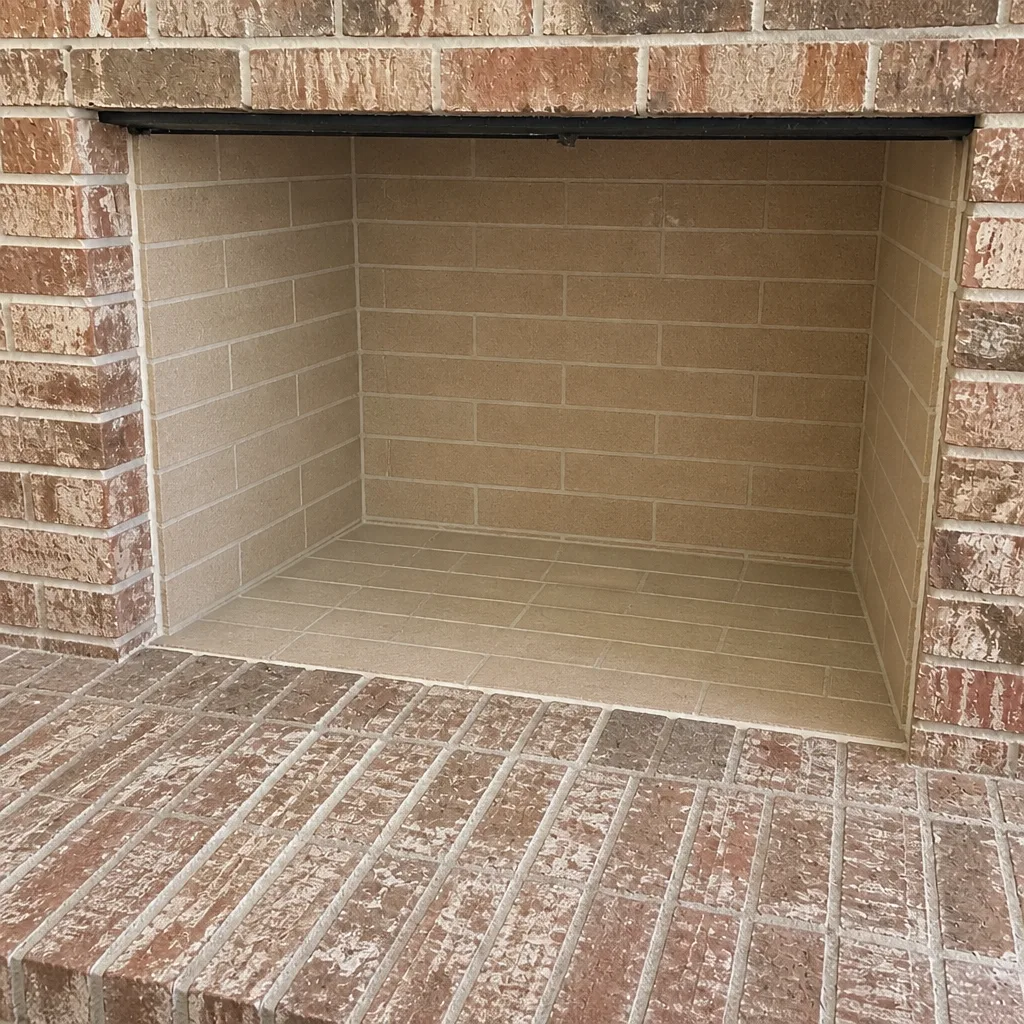
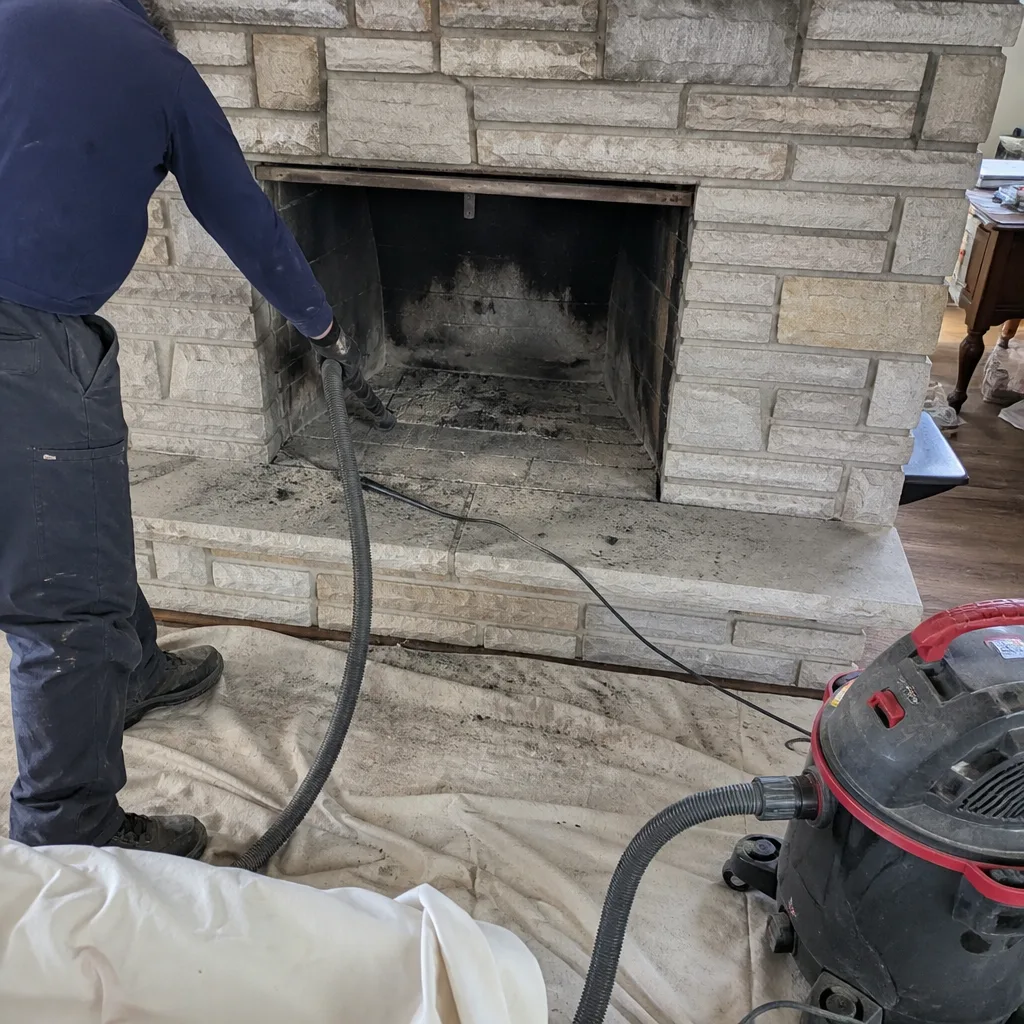
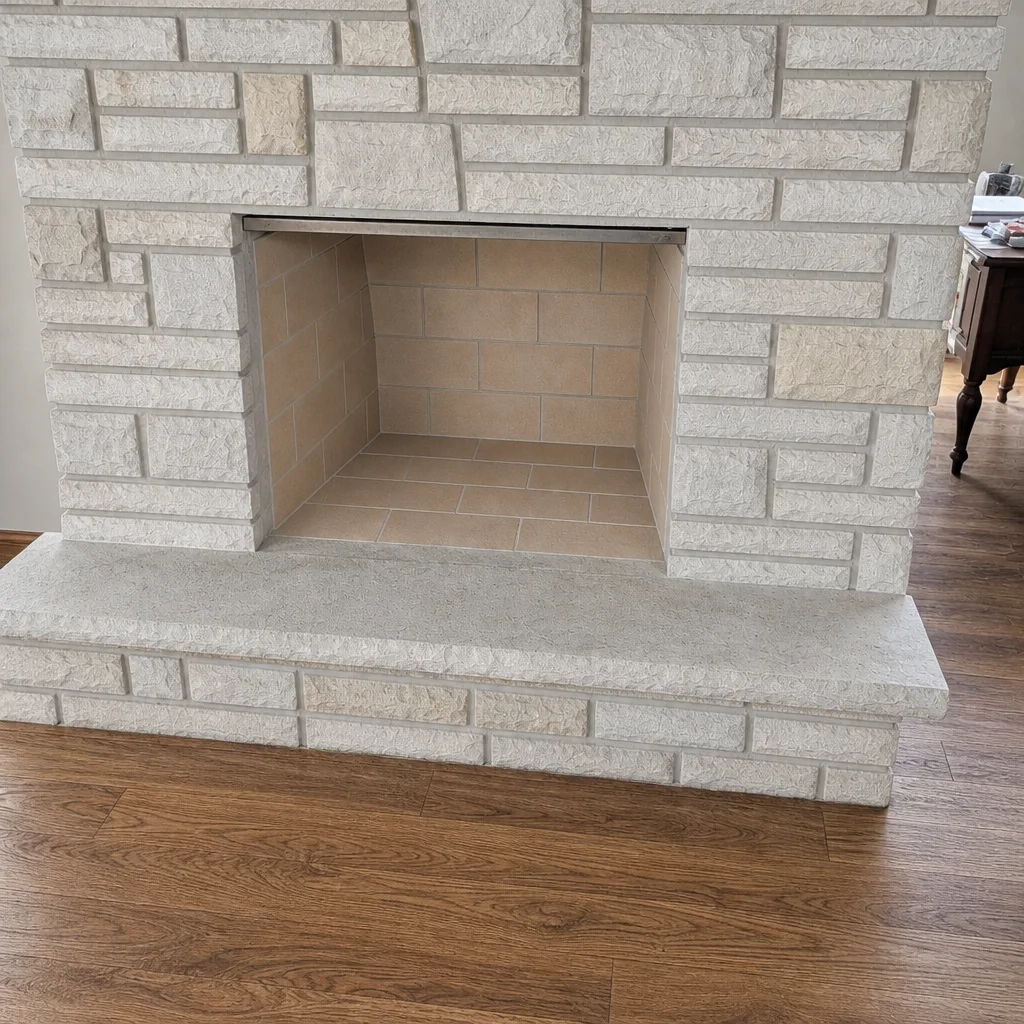
See the difference
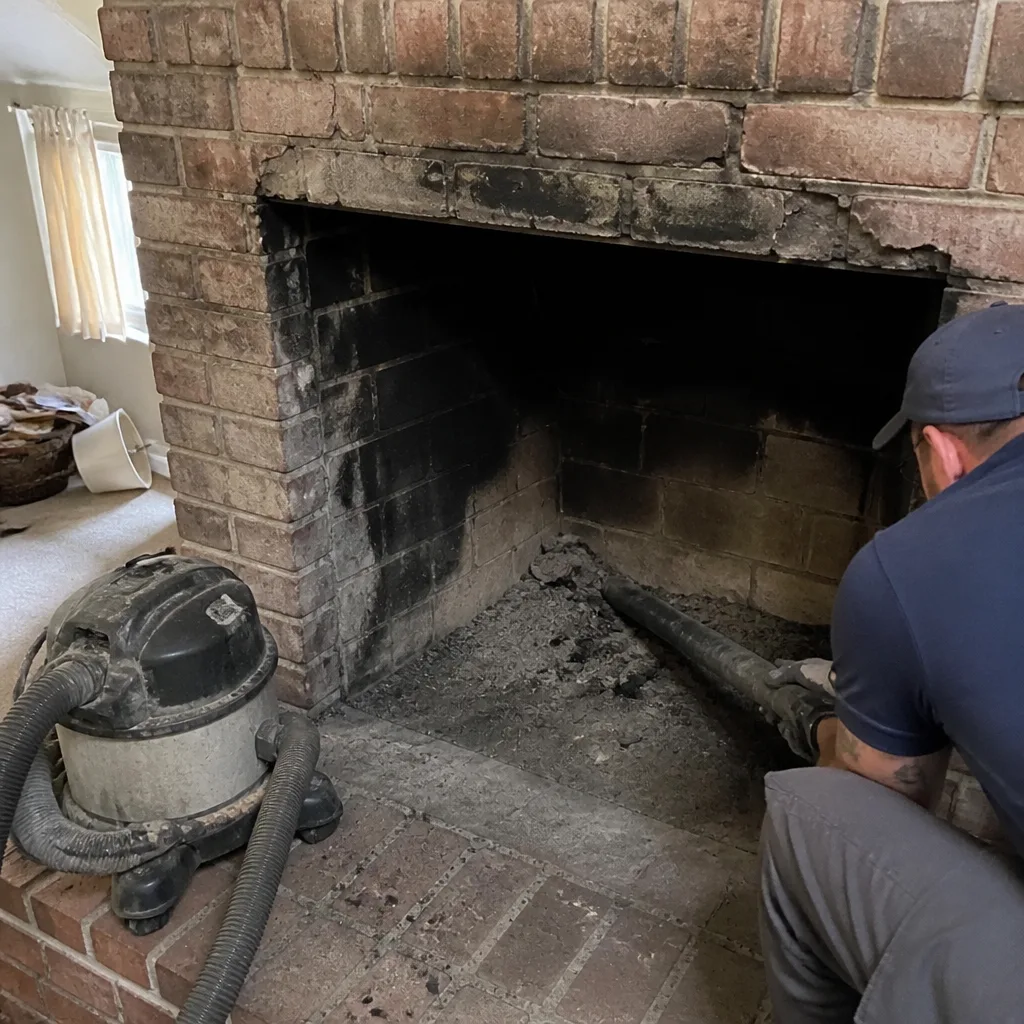 Before
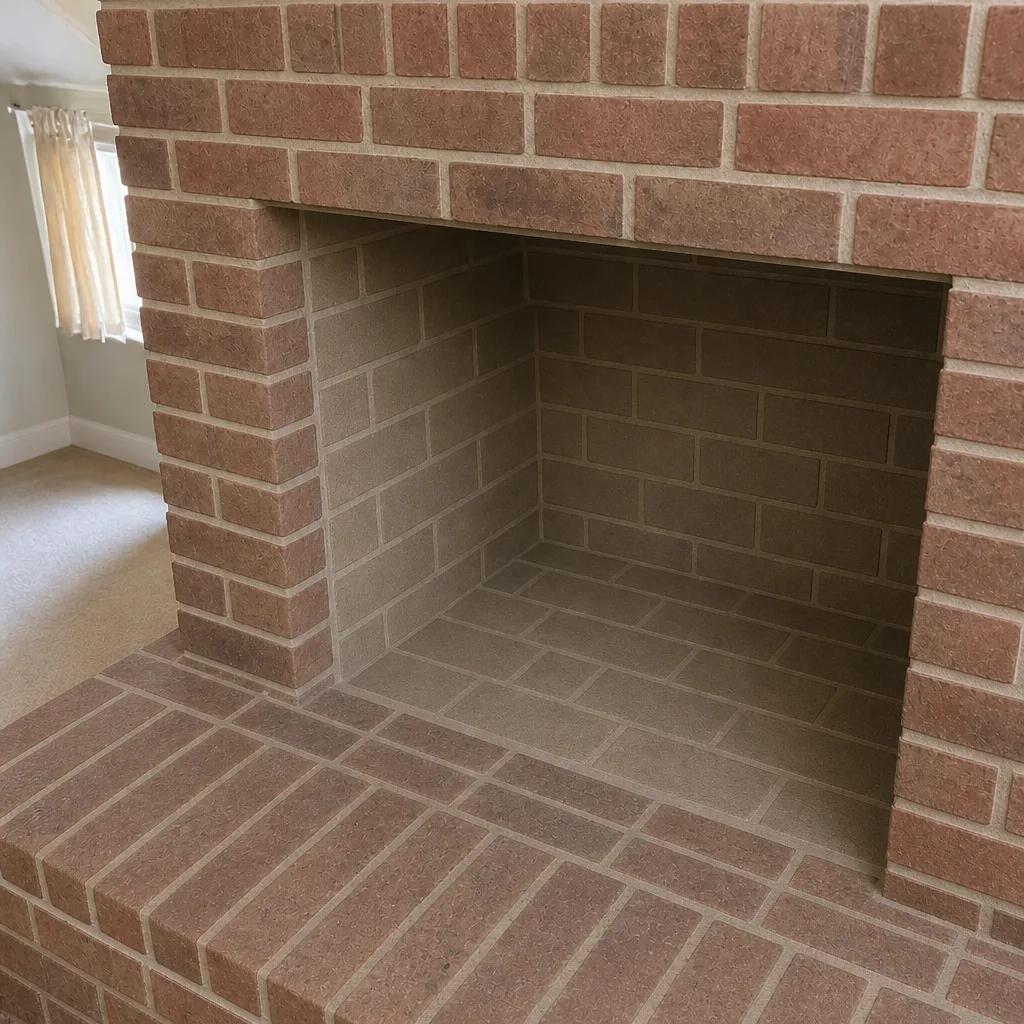 After
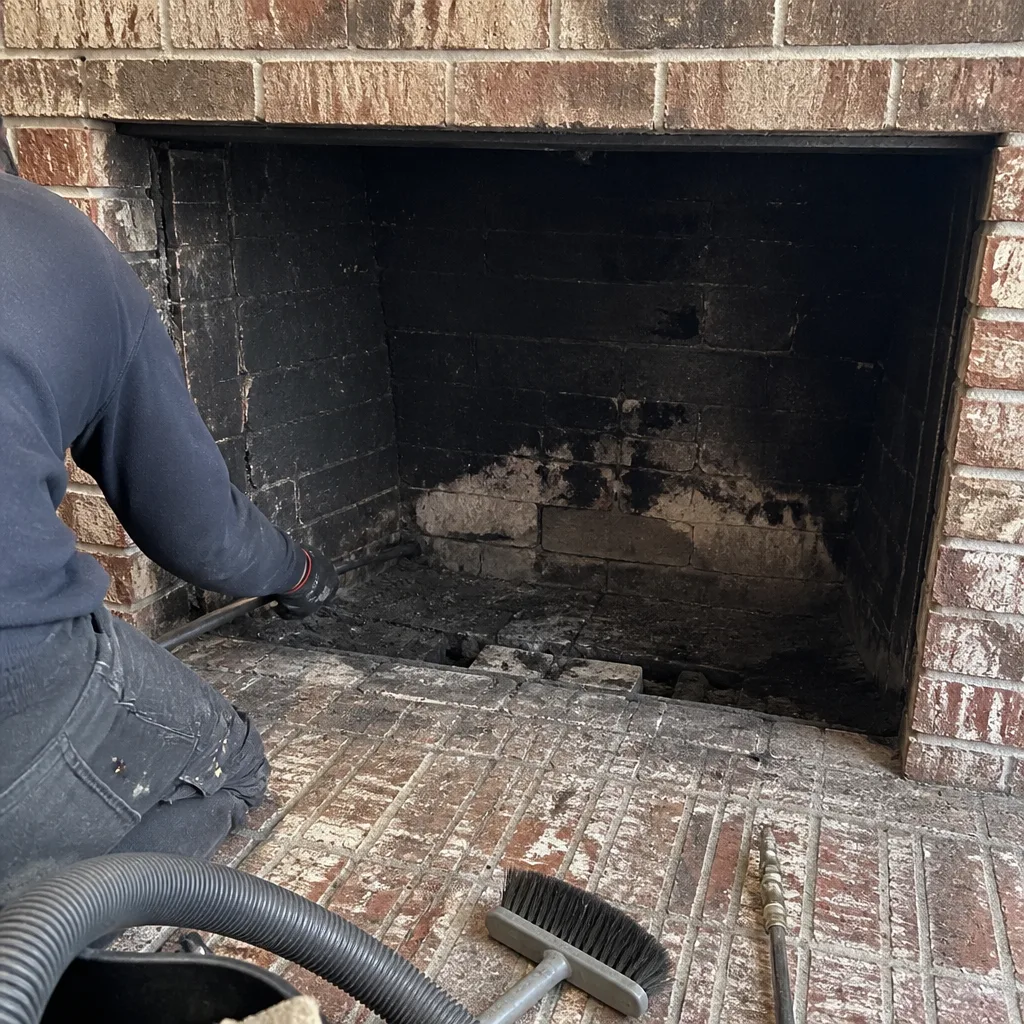 Before
 After
 Before
 After
When to Call a Professional
Call a professional if any of these apply: you’ve burned more than a cord of wood since your last sweep, you smell creosote or a smoky odor in warm weather, you see rust or water stains inside the firebox, you’ve had a chimney fire (even a small one), your crown has visible cracks, your cap is damaged or missing, or you’ve just moved into a home with an unknown chimney history. Also call if you’re buying or selling a property and need documentation. West Valley City Chimney Sweep offers free estimates in West Valley City. Call (877) 792-7416. We answer 24/7. Fast dispatch from 7am to 7pm, Sunday through Friday. When a product decision is on the line, a camera inspection and photo report include everything you need to make that decision with evidence instead of guesswork.
Frequently Asked Questions
Choose by product category, not by brand alone. For flue resurfacing, HeatShield leads the field for clay tile liners; for relining, DuraFlex and Olympia Chimney are the professional standard; for caps and covers, Gelco and Famco are what specialists fit; for exterior masonry waterproofing and creosote treatment, ChimneySaver and Rutland pro-grade products outperform retail sealers. Ask any chimney company which product they intend to use and why, and treat a vague answer as a red flag. Call (877) 792-7416 for an exact quote – estimates are free.
They work as a supplement, not a substitute. A log can soften light creosote and slow buildup between cleanings, but it cannot remove glazed third-degree creosote, which is the actual fire hazard, and it won’t reach the upper flue the way a proper sweep does. The CSIA’s position is that these products belong inside a program that includes regular professional inspection and sweeping. If your last professional sweep was more than a year ago, book the sweep before you buy the log. Call (877) 792-7416 for an exact quote – estimates are free.
Once a year for most wood-burning fireplaces, and more often if you burn heavily through the winter or burn unseasoned wood. The practical rule is to sweep before the burn season starts, plus any time you’ve burned more than a cord since the last sweep. Gas fireplaces still need annual inspection even though they don’t build creosote. Call (877) 792-7416 to book an inspection before the season opens – estimates are free.
No. HeatShield is a cast-in-place resurfacing system that repairs a deteriorated clay tile flue from the inside, sealing cracks and gaps without tearing out the old liner. A full relining means installing a new stainless liner from end to end. HeatShield is often the right answer when the existing flue is still structurally sound but leaking at joints. A camera inspection determines which one applies to your chimney. Call (877) 792-7416 – estimates are free.
The wrong sealer will. A film-forming masonry sealer can trap moisture inside the brick, and in Utah’s freeze-thaw winters that moisture expands overnight and flakes the brick face off. Vapor-permeable waterproofing products made for chimney masonry (ChimneySaver is a common professional-grade example) let moisture escape while repelling rain and snow. If your chimney has already been sealed with an unknown product, have it inspected before adding another layer. Call (877) 792-7416 for an exact quote – estimates are free.
Yes, and a standalone inspection is exactly the right order. Inspection is its own service, which means you can book it before any product or repair decision without being pushed toward work you don’t need. That’s particularly useful in West Valley City real estate transactions, insurance documentation, or simply verifying safety after a burn season. You get a camera inspection and a photo report so every recommendation is tied to evidence you can see. Call (877) 792-7416 – estimates are free.
What does the right product choice actually save you?
Not a number you can put on a coupon, because the savings show up as work you don’t have to do later. A vapor-permeable waterproofing treatment that costs less than a masonry rebuild protects the brick for years. A correctly matched HeatShield resurfacing can hold a clay tile flue for another two decades without a full relining. A properly fitted chimney cap & crown installation protects the flue from snow, birds and debris for the life of the cap. Each of these is a decision about the product on your chimney, made once, correctly. Get that right and you don’t climb back up there in a year to fix a shortcut.
What you’re really buying when you hire a chimney specialist is the ability to make those product choices on the evidence in front of them. The fireplace repair recommendation for a cracked refractory panel is a different product than the one for a spalled crown, and neither is the right product for a leaking clay tile flue. A company that only reaches for one product regardless of what it finds has one tool, not a full skillset. A company that reaches for the right one, and can tell you why in plain language, has the whole thing. Chimney work is all we do, and that focus shows in the specificity of the answers. Start with West Valley City Chimney Sweep and a free estimate, and put the product question to us directly.
The Bottom Line
The chimney cleaning brand you choose is really a decision about the product category, the substrate material and the local climate – not about which name is printed most prominently on the label. Creosote logs supplement, they don’t replace sweeping. Waterproofing must breathe. Liner products must match the liner. Pro-grade versions (DuraFlex, HeatShield, Gelco, Olympia Chimney, Famco and Copperfield) exist for honest reasons, not marketing ones. The one question worth asking every company is which product they’d apply to your specific chimney and why, and a vague answer means shop elsewhere. Get the camera inspection first, get the photo evidence, and refuse to pay for a product you can’t see a reason for. Our technicians have up to 15 years of experience and we’re only too happy to explain the reasoning behind our recommendation. Call West Valley City Chimney Sweep at (877) 792-7416 for a free estimate. We answer 24/7. Fast dispatch from 7am to 7pm, Sunday through Friday.
Written by the team at West Valley City Chimney Sweep.