
Last updated November 25, 2026
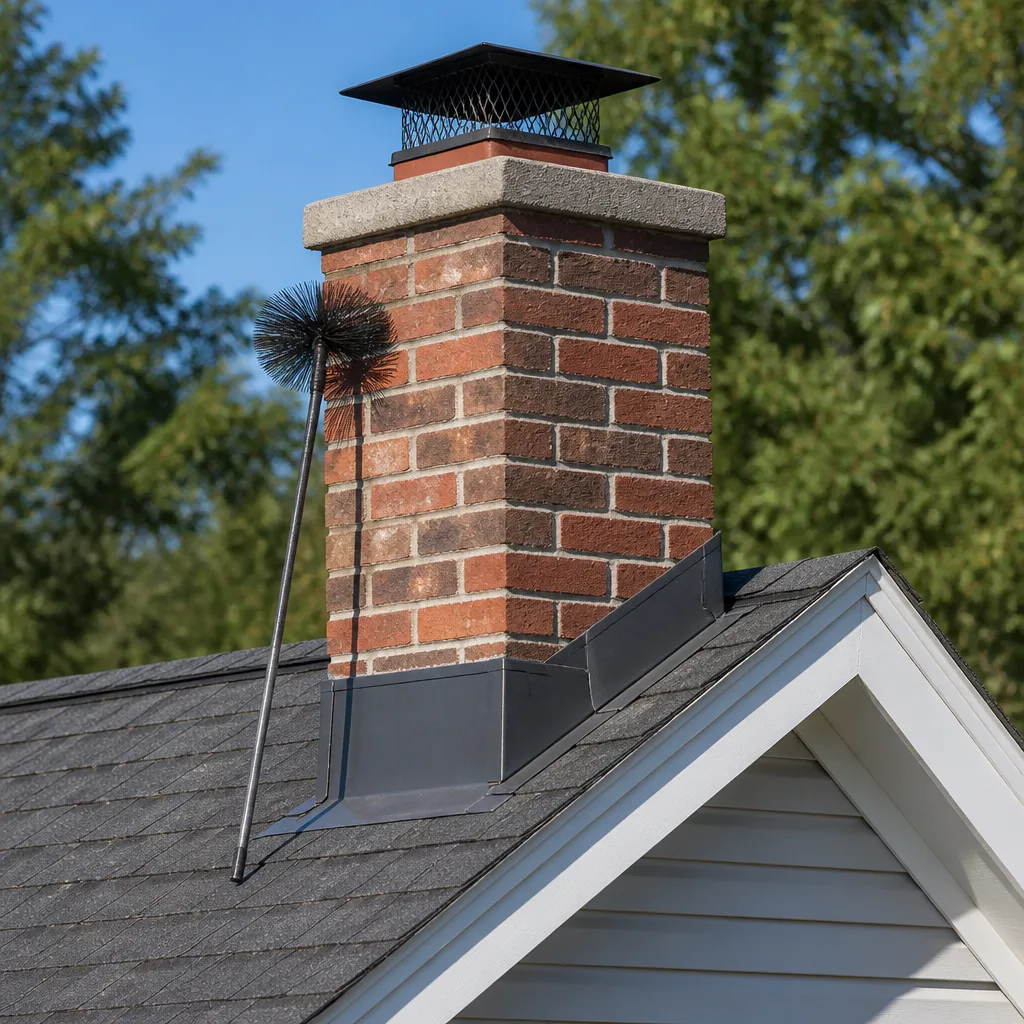 Sweep & inspection
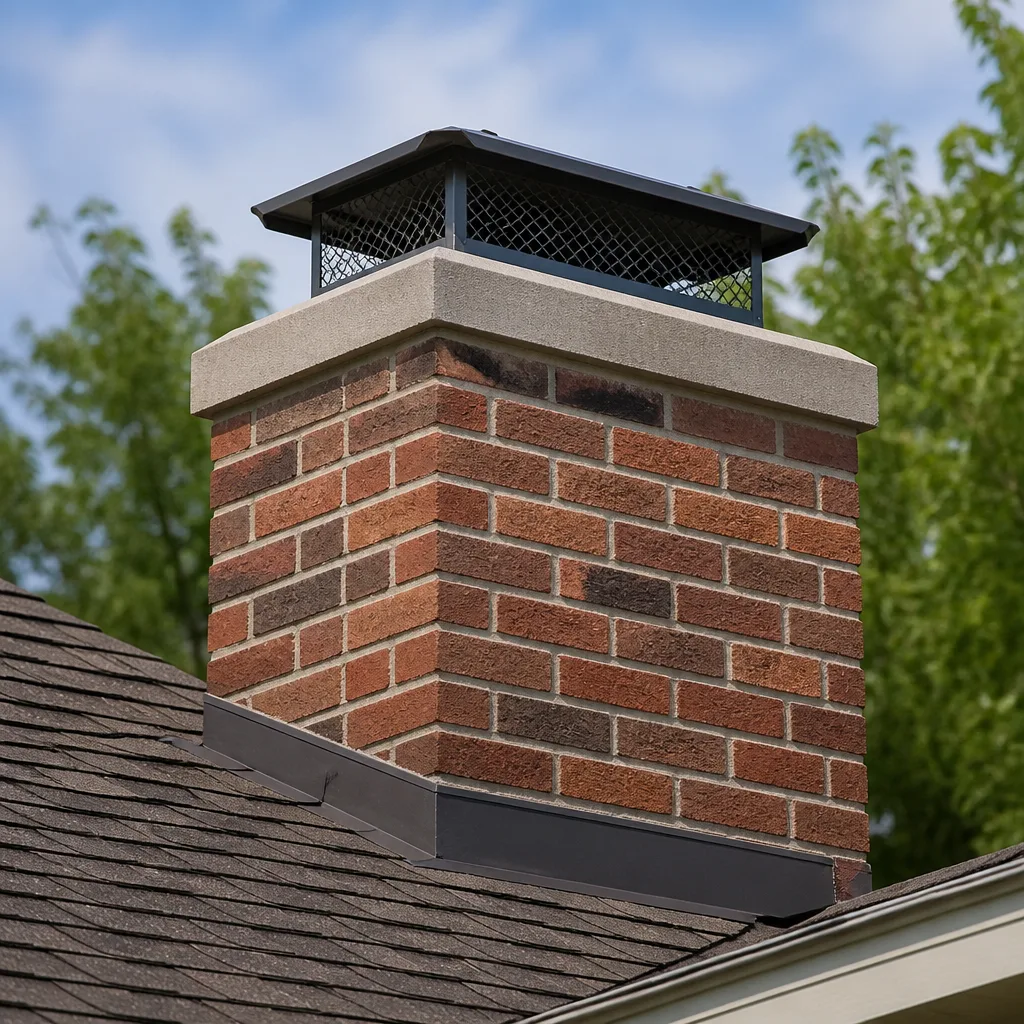 Caps & crowns
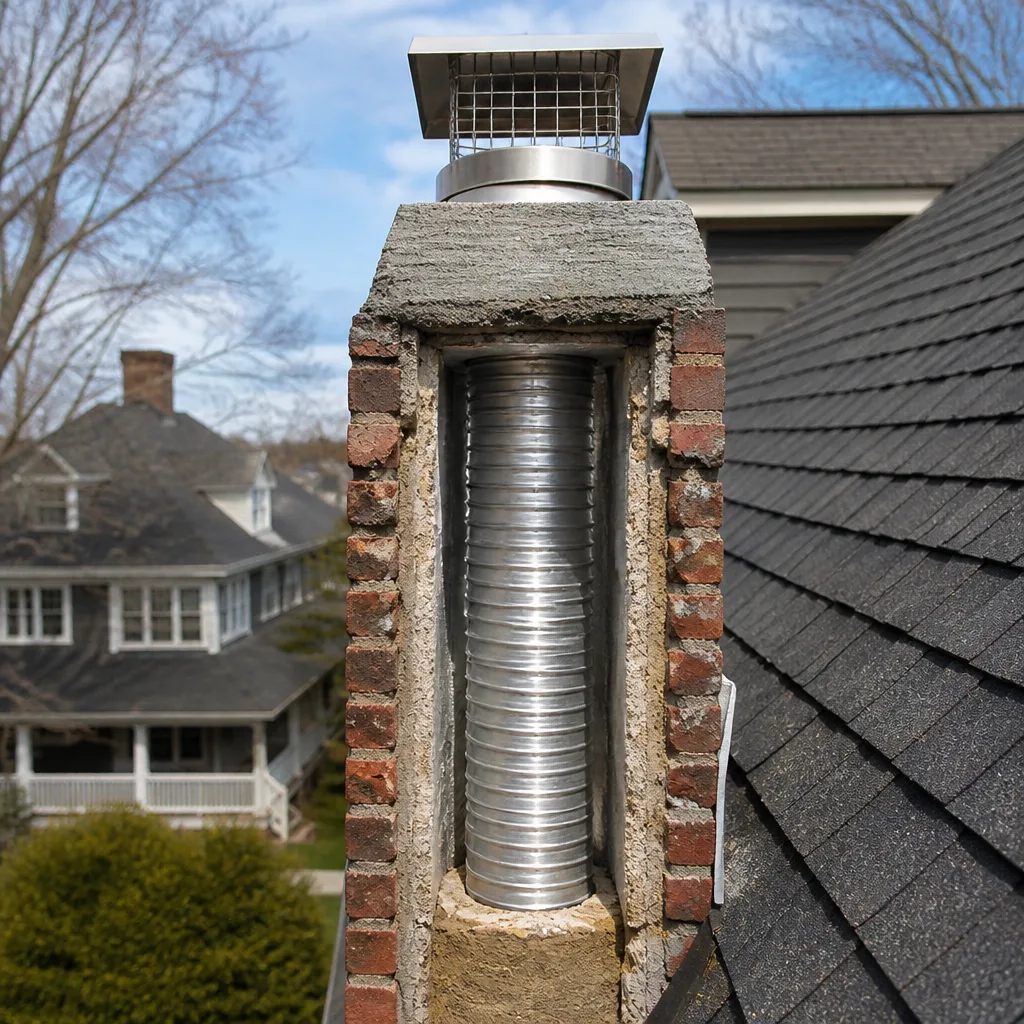 Flue relining
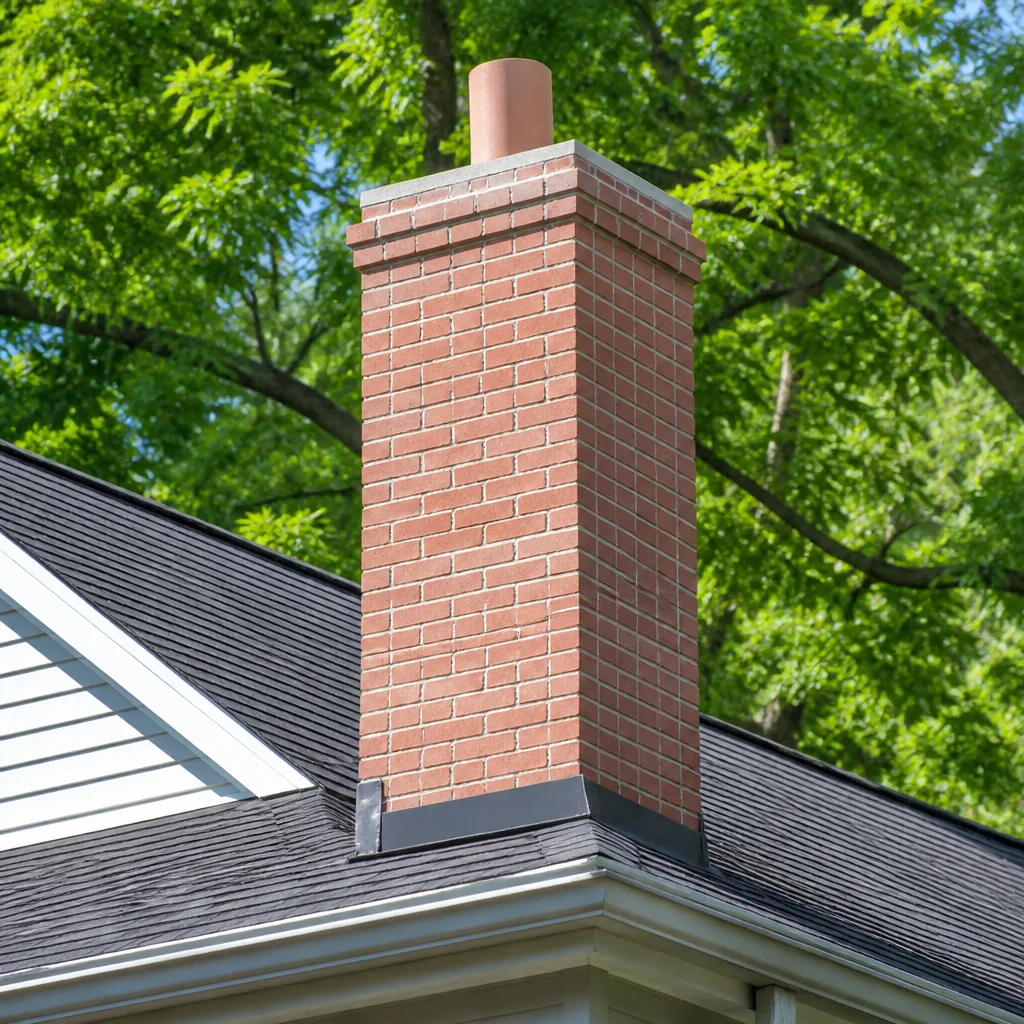 Masonry repair
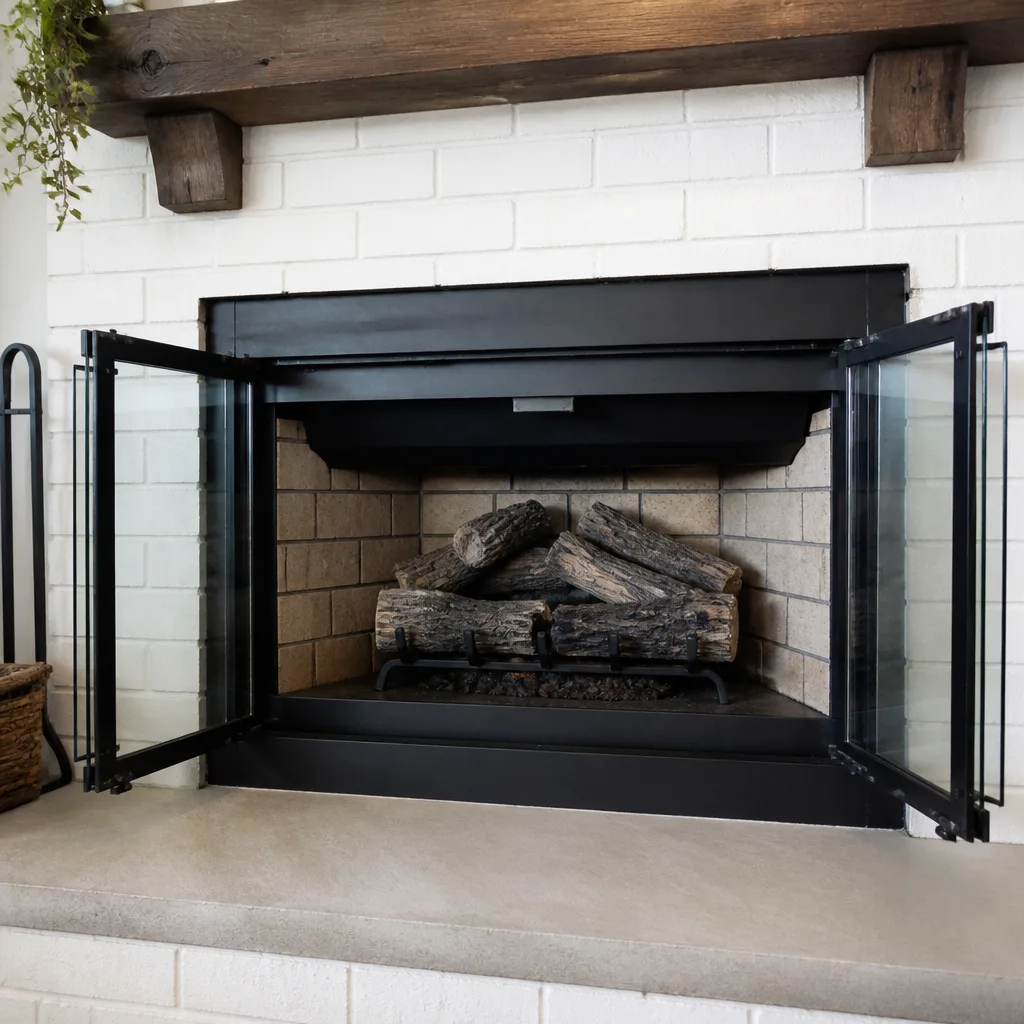 Gas fireplace service
Level 1 sweep and inspection to the NFPA 211 annual standard - flue, crown, cap, and flashing checked and photographed
Chimney sweep logs do not sweep chimneys. They loosen some creosote - which then falls where a brush and vacuum still have to collect it.
How to Hire a Chimney Cleaning Contractor in West Valley City: A Step-by-Step Guide
Most homeowners hire a chimney sweep the way they hire a plumber: they search, they call the first name that comes up, they book. That’s the mistake this guide exists to prevent. Chimney work sits in a strange middle ground in West Valley City. It’s regulated enough that licensing matters, but unregulated enough that a pressure-washing company can print “chimney sweep” on a door hanger and look legitimate doing it. Certification is real and verifiable, but “we’re certified” is a claim anyone can make. By the end of this guide you’ll know exactly which credentials to check, which questions separate a specialist from an opportunist, and how to read a written estimate so you can tell real scope from a number designed to get a signature.
Quick Answer
To hire a chimney cleaning contractor in West Valley City, verify three things before you book: a current CSIA certification number you can look up yourself, active Utah contractor licensing through the DOPL database, and a written estimate that spells out scope, method and liner access. Ask directly whether a camera inspection is included or costs extra. The company that answers all three cleanly is the company worth scheduling. The one that dodges any of them isn’t, no matter how good the price looks.
Styles & brands we work with
- Sweep & inspection
- Caps & crowns
- Flue relining
- Masonry repair
- Gas fireplace service
Table of Contents
- What CSIA, NFI and NCSG Credentials Actually Mean
- How to Verify a Chimney Contractor in Under Two Minutes
- The Five Questions to Ask Before You Schedule
- Why Camera Inspection Is the Line Between Specialists and Guesswork
- Why the Lowest Quote in West Valley City Is Usually Built to Change
- What a Legitimate Written Estimate Must Include
- Checking Utah Contractor Licensing Through DOPL
- West Valley City Conditions That Affect Chimney Wear
What CSIA, NFI and NCSG Credentials Actually Mean
These three acronyms get used interchangeably in chimney marketing. They don’t mean the same thing, and understanding the difference is the fastest way to tell whether you’re talking to a trained technician or a sales script.
CSIA (Chimney Safety Institute of America)
CSIA certification is the credential most relevant to sweeping and inspection. It requires a written exam and a hands-on evaluation, and it requires renewal. That’s the key point: it’s not a one-time badge you keep forever. A current CSIA number can be looked up through the CSIA’s public directory. A company that can’t produce a current number on request almost certainly doesn’t have one. “We’re certified” without a number is a sentence, not a credential.
NFI (National Fireplace Institute)
NFI certification focuses on hearth appliances, meaning gas and wood-burning fireplace systems and their venting. It’s the credential to look for when the work involves the appliance itself, not just the flue. If you’re having fireplace repair done, NFI training is a meaningful signal because it means the technician understands the appliance side of the system, not only the chimney above it.
NCSG (National Chimney Sweep Guild)
NCSG is a trade membership organization rather than an individual certification. Membership suggests a company is plugged into the trade community and its standards, but it doesn’t certify the person standing in your living room. Treat it as a supporting signal, not a primary one.
Reading the credentials honestly
- CSIA – individual certification for sweeping and inspection, requires exam, hands-on evaluation and renewal. Verify the number.
- NFI – individual certification for hearth appliance work. Relevant to fireplace and venting repair.
- NCSG – company trade membership. Useful context, not a personal credential.
A chimney company in West Valley City may hold some or all of these. What matters is that the company can point you to the specific credential that matches the specific work you’re hiring for, and that you can confirm it independently.
How to Verify a Chimney Contractor in Under Two Minutes
Verification isn’t a project. It’s three lookups, and you can do them while you’re still on the phone. Here’s the sequence.
- Ask for the CSIA certification number. Not “are you certified” – ask for the number itself. A specialist gives it without hesitation because it’s a point of pride. The number is searchable in the CSIA directory.
- Ask for the Utah contractor license number and check it in DOPL. The Division of Professional Licensing maintains a public database. Enter the number, confirm the status is active, and confirm the license classification covers the type of work being quoted.
- Confirm the business name matches both records. This is the step people skip. A certification or license tied to a different business name than the one on your estimate is a red flag worth asking about before anyone shows up.
That’s it. Two minutes. If a company can’t clear those three checks, no amount of friendly phone manner makes up for it.
One more useful habit: ask whether the person doing the work is the person who holds the credential, and whether the company does chimney work exclusively. A roofing contractor who adds chimney work on the side isn’t wrong to exist, but the depth of training isn’t the same. Chimney work is genuinely a specialty, and companies that do only chimney work tend to inspect more carefully because the inspection is the whole job, not a line item before the real work begins.
The Five Questions to Ask Before You Schedule
These five questions do most of the work of separating specialists from opportunists. Ask all five, in order, before you book. The way a company answers matters as much as the answers themselves.
1. Is a camera inspection included in the sweep, or does it cost extra?
This is the single most revealing question in the list. A specialist includes a camera inspection as standard practice, because a sweep without a view of the flue is guesswork. A company that charges extra for it, or that only brings a camera when you ask, is telling you something about how it works. In our experience, the companies that do the inspection routinely are the ones that also document what they find.
2. Who does the work, and what’s their certification?
Ask whether the technician is directly employed, and whether they hold a current CSIA credential. This matters if the company subcontracts, because the credential you verified on the phone may not be the person who arrives.
3. What does the written estimate include?
You want a written document before work begins, not a verbal number. More on what it should contain in the section below.
4. If you find a problem, how will you show it to me?
A specialist photographs or video-records what they find and shares it with you. A company that describes a defect you can’t see, and recommends expensive repair on that basis, is asking for trust without evidence. That’s not the same as expertise.
5. What does the work not cover, and what can safely wait?
An honest chimney company will tell you what doesn’t need doing yet. This is a surprisingly strong signal. A contractor who finds nothing and says so, or who tells you a modest amount of work can be deferred a season, is being straight with you about the difference between hazards and housekeeping. That’s the behavior that earns repeat business, and it’s the behavior to look for.
Why Camera Inspection Is the Line Between Specialists and Guesswork
A chimney sweep brushes the flue. A chimney inspection looks at what the brushing can’t reach. These are different jobs, and the camera is the tool that makes the second one possible.
The interior of a flue liner can be cracked, spalled or separated in ways nobody can see from the firebox or from the roof. A flashlight down the flue tells you almost nothing. A camera run through the flue tells you everything: the liner’s condition, the presence of creosote glazing, gaps at joints, and whether the liner is intact from top to bottom. Without that view, any recommendation to reline or repair is a guess dressed up as a diagnosis.
For a company to properly inspect a chimney in West Valley City, the process generally involves access at the top, access at the firebox, and a camera run through the full length of the flue. The findings get captured – still photos at minimum, ideally video. That record is what you review before agreeing to any repair.
This is the argument for a standalone inspection as a separate service. If you’ve just bought a house with an unknown chimney history, if your insurer wants documentation of the system’s condition, or if you simply want to verify safety before burning season, an inspection on its own gives you a clear picture of the system without committing to a sweep or a repair package. Some companies only offer inspection as part of a larger booking. Ask which you’re getting.
The same logic applies to a chimney sweep: a sweep that comes with a camera inspection as standard means you get the cleaning and the diagnosis in one visit, with the photographic record to show for it.
Why the Lowest Quote in West Valley City Is Usually Built to Change
A very low initial quote isn’t automatically a scam. Sometimes a company is offering a reduced price because it’s slow, or it’s a loss leader to earn the repair work. What matters is whether the low number is a genuine price or an entry point designed to grow.
The bait-and-switch structure has recognizable parts. Often the low quote covers a sweep only, with the “inspection” described as included but actually a visual glance down the flue. Then the technician arrives, conducts a “thorough inspection,” explains that the flue liner is deteriorated, and presents a repair estimate that dwarfs the original price. The homeowner is now sitting in a house with a technician who has just described a safety problem and is holding a bi-fold proposal. That’s pressure, whether it’s intended as pressure or not.
The structure can be spotted in advance, mostly by asking the questions in the section above. Specifically:
- Camera inspection specifics: ask whether the camera inspection happens every visit and whether you receive the images. If the answer is “yes, with the photos” without prompting, that’s a good sign.
- The estimate is written before work begins: a company that commits to scope in writing before arriving is harder to pivot on.
- Findings come with evidence: a repair recommendation that’s supported by video you can watch yourself is verifiable. A recommendation based on a description you have to take on faith is not.
- The company tells you what can wait: if you ask directly what can be deferred safely, a specialist will tell you. A company whose every visit produces a large repair estimate is telling you something about how it works.
The lowest quote isn’t the worst quote. The lowest quote with no scope attached is. Our own standard is to diagnose before we recommend, and to share the camera evidence so the recommendation can be checked. If a repair is needed, we’ll say so. If it can safely wait a season, we’ll say that too.
What a Legitimate Written Estimate Must Include
A dollar amount on a job is not an estimate. It’s a price. A real written estimate includes the scope of work and the assumptions behind the price, so you know what you’re buying before anyone starts. Here’s what to look for.
The scope
What exactly gets cleaned, inspected or repaired? “Chimney sweep” is a fine service name, but the estimate should specify the flue, the firebox, the smoke chamber and damper if relevant. If the work involves a cap or crown, the estimate should identify what’s being installed. Companies that work with professional-grade brands tend to name them in the estimate – a cap from Gelco or Famco, a liner from DuraFlex or Olympia Chimney. We stock and install caps and covers from trade-supply brands for this reason: the material is verifiable, not a generic unit from a big-box store.
The method
How will the work be done? For a liner restoration, does the estimate specify the method – for instance, a HeatShield application to resurface a deteriorated flue rather than a full reline? These are different jobs with different costs and different outcomes, and a vague estimate leaves the decision up to the person holding the brush. Our approach is to name the method: HeatShield resurfacing, for example, is a restoration option that extends the flue’s life without a full relining, and it’s a system not every chimney company offers or is trained to apply. If it’s the right fit for your flue, the estimate should say so.
The liner access plan
How will the technician get to the flue? Roof access, ladder setup, removal of the cap, and any interior access needed all affect both the work and the price. An estimate that doesn’t mention access assumes a standard setup. If your roofline or cap configuration is unusual, that assumption can change the price later.
What a vague estimate looks like
- A single number with no scope – “chimney sweep: $X”
- No mention of inspection or camera use
- No method named for any repair work
- No brands named for any installed components
- No boundary stated between work included and work not included
- No mention of what happens if the inspection reveals a problem
If you get an estimate with three or more of those gaps, ask for a revised one before booking. A company that specializes in chimneys will produce that document without difficulty.
Checking Utah Contractor Licensing Through DOPL
Utah licenses contractors through the Division of Professional Licensing, and the database is public. Before you let anyone onto your roof or into your flue, take the minute it takes to check.
- Ask for the license number. Utah contractors who are properly licensed can provide it. If a company can’t, ask why.
- Open the DOPL license lookup. Enter the number and review the result.
- Confirm three things: the status is active, the business name matches the one on your estimate, and the classification covers chimney work.
- Check for a current expiration date. A lapsed license is the same as no license.
There’s a broader principle here that outlasts any specific database. A contractor who is licensed, certified and producing written estimates before work begins is likely to do the work the way it should be done. A contractor who is unable to produce any of those things is asking you to take on a risk you can’t easily verify after the fact. Chimney work is structural and involves combustion byproducts, so the stakes are real. A few minutes of checking is cheap insurance against work that has to be redone.
The same scrutiny applies to the vetted local professionals we connect homeowners with. They’re licensed and insured as their state requires, and we’d want you to verify them the same way.
West Valley City Conditions That Affect Chimney Wear
How a chimney wears depends partly on where it is. West Valley City sits in the Salt Lake Valley, and the local conditions do specific things to chimney systems over time.
Cold winters and temperature swings
Freeze-thaw cycles are hard on masonry. The crown of a chimney takes the brunt: freezing overnight and thawing during the day causes small cracks to widen over time. Once the crown cracks, water gets into the masonry above the flue and the damage compounds. A properly installed crown, and a cap that keeps water and animals out of the flue, is basic protection in this climate. That’s the reasoning behind chimney cap & crown work being worth scheduling before winter rather than after.
Inversions and restricted venting
The Salt Lake Valley is prone to temperature inversions, particularly in winter. A chimney that drafts poorly during an inversion may burn less efficiently and may vent smoke back into the house instead of up the flue. A camera inspection can catch an obstruction or a flue issue that explains the problem. A properly cleaned and inspected flue drafts more predictably.
Burning season and creosote
Residents burn wood throughout the heating season, and wood smoke deposits creosote on the flue walls. Over time creosote can glaze, and glazed creosote is one of the harder deposits to remove and one of the more significant fire risks in a chimney system. The right time to schedule a sweep is before the season begins, so the flue starts clean. But if you have deferred maintenance, or the previous owner of the house left the chimney’s history unknown to you, the sweep should happen sooner rather than later.
West Valley City is also home to older housing stock in parts of Granger, Hunter and the neighborhoods around Redwood Road, where masonry chimneys have been through many heating seasons. In our experience, chimneys in older homes benefit from a camera inspection more than most, because the liner condition is the piece you can’t see and the previous maintenance history is often unknown.
Common Mistakes to Avoid
- Accepting “we’re certified” without a number. Certification is a phone call away from verification. Ask for the number and confirm it. A company that deflects the request is telling you something.
- Booking the lowest quote without reading the scope. A low price attached to a vague scope is an entry point, not a quote. Ask what’s included and whether inspection is part of it before you compare numbers.
- Assuming the inspection is thorough if the sweep is cheap. A sweep without a camera inspection is cleaning, not inspection. If the sweep is cheap and the inspection is an upsell, you’re paying to be sold to.
- Never checking DOPL. An active license and a matching business name take two minutes. Skipping this step means you’re handing responsibility for a structural system to someone whose standing you haven’t verified.
- Approving repair work you can’t see. If a technician recommends a reline based on a description and no photos, ask for the images. A defect should be visible on camera, and you should be able to look at the video yourself.
- Hiring a generalist because they offered. Roofers and pressure-washing companies can add a chimney sweep to their line card. Whether they have the certification, the camera and the specialty training for a liner diagnosis is a separate question, and the answer is often no.
- Waiting until the flue smells or drafts badly. Problems get more expensive when tackled late. A cleaning and inspection scheduled before burning season costs far less than a repair that becomes necessary because a small issue went unaddressed.
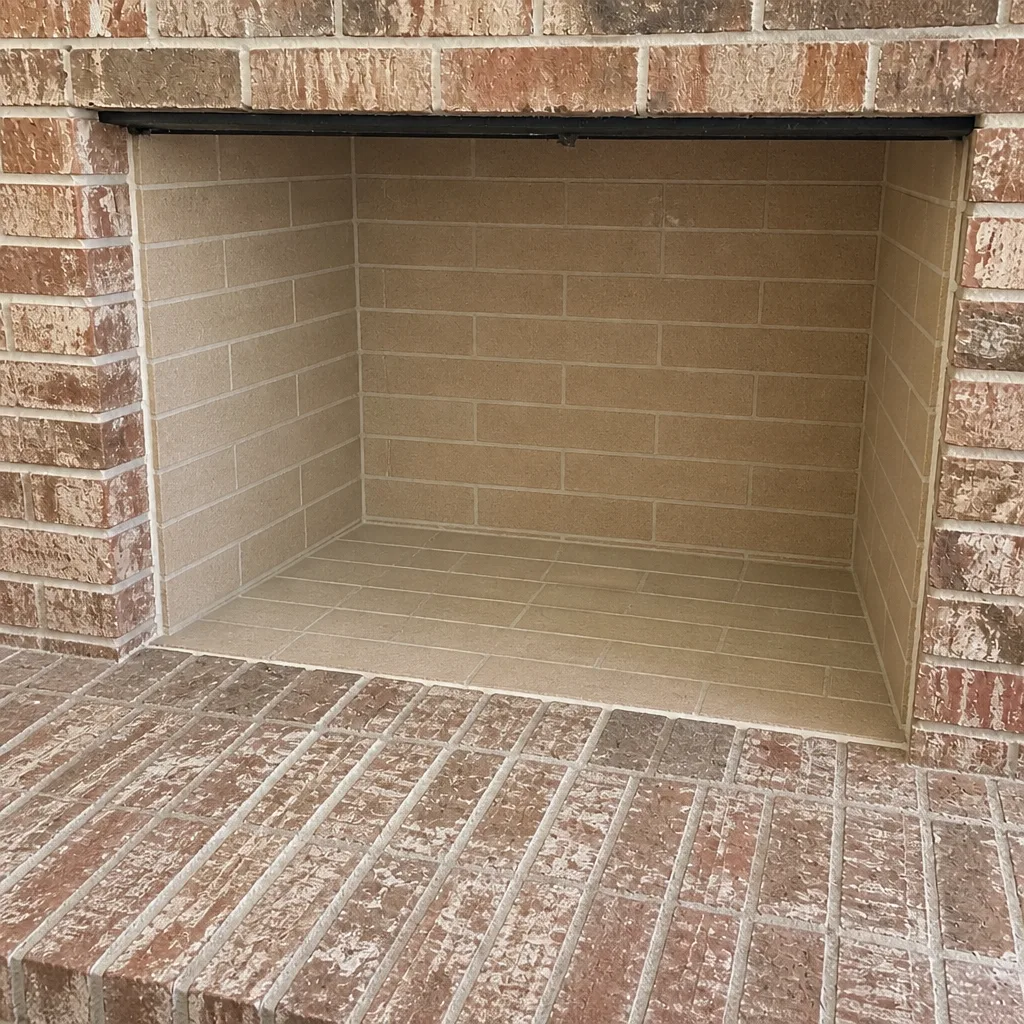
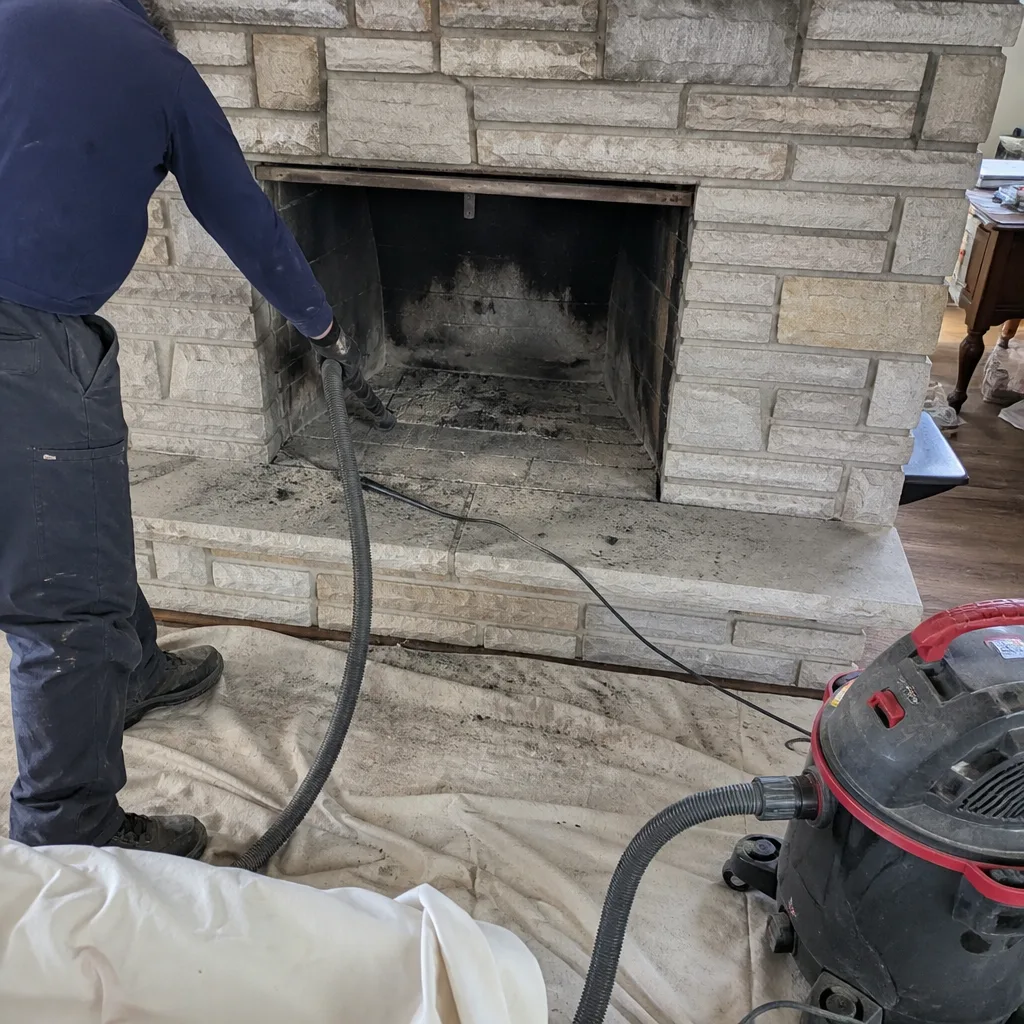
See the difference
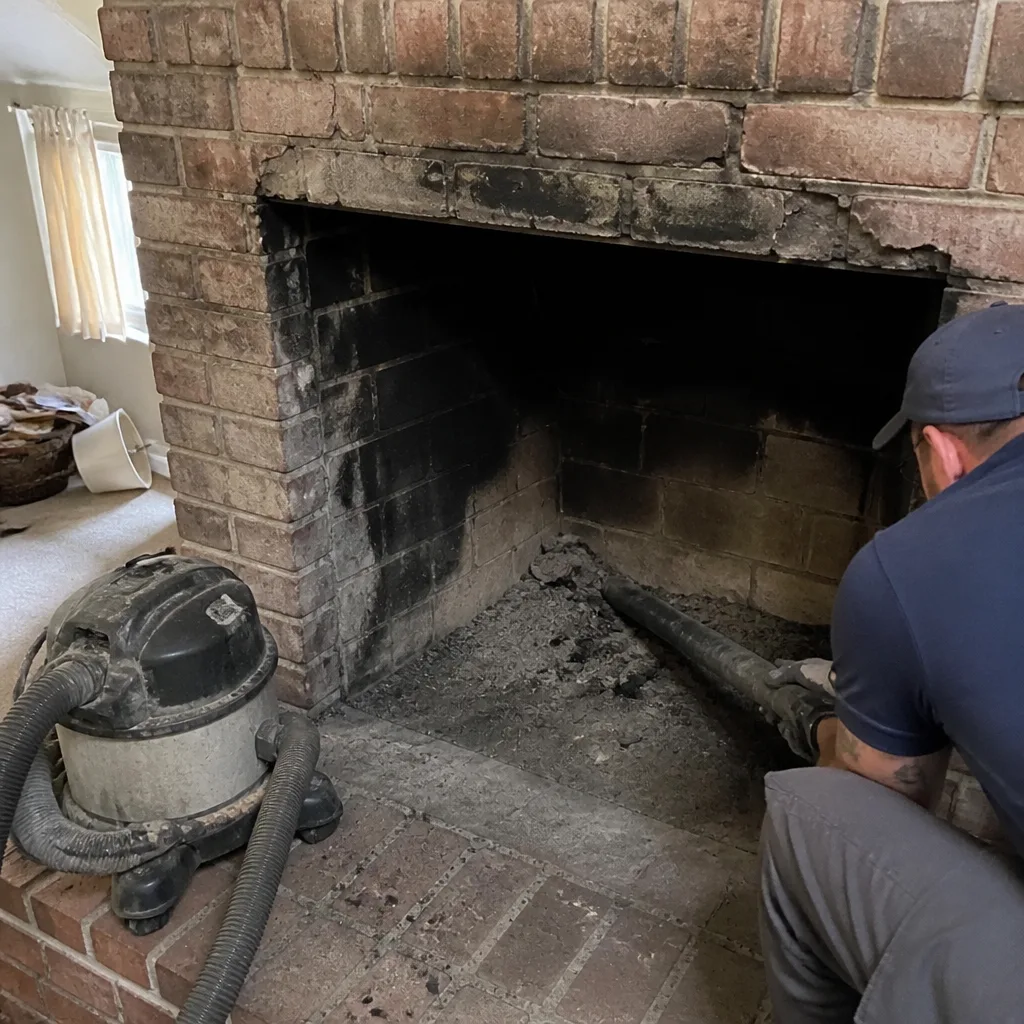 Before
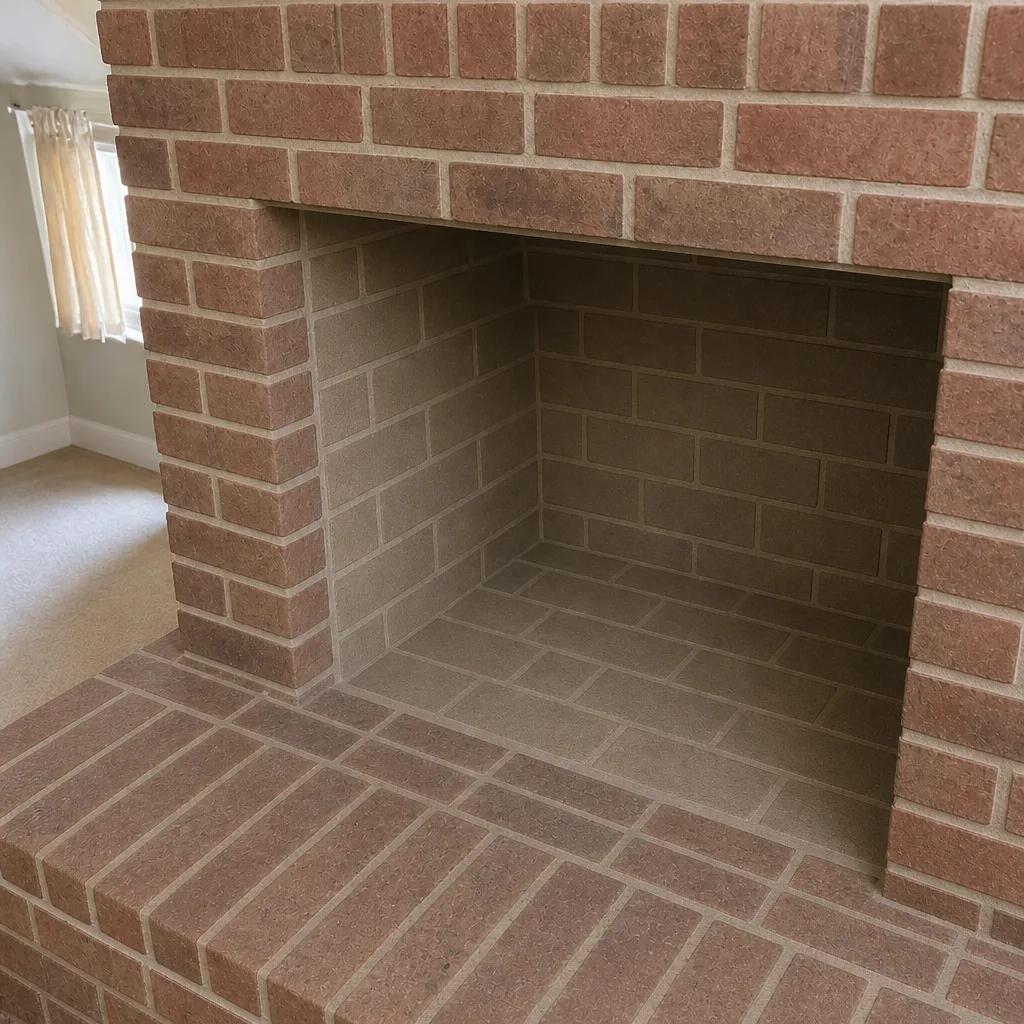 After
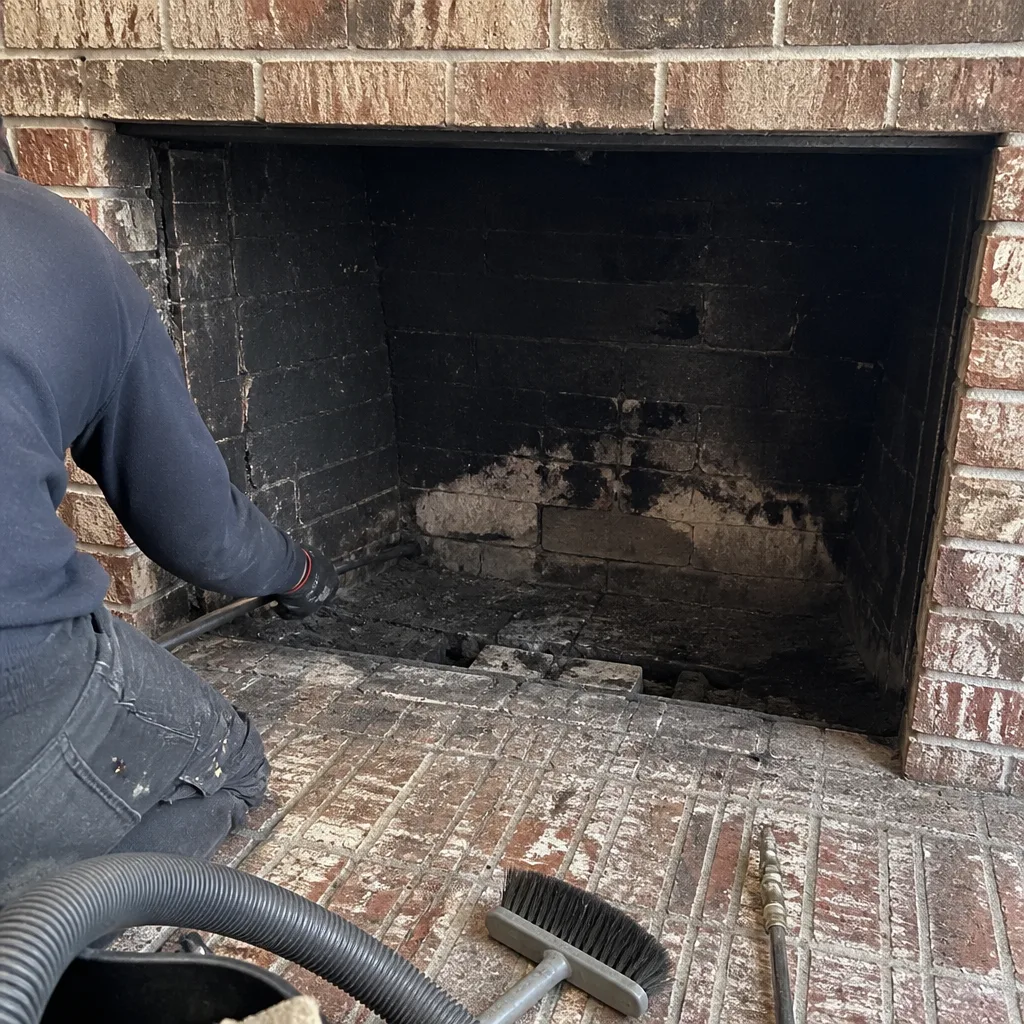 Before
 After
 Before
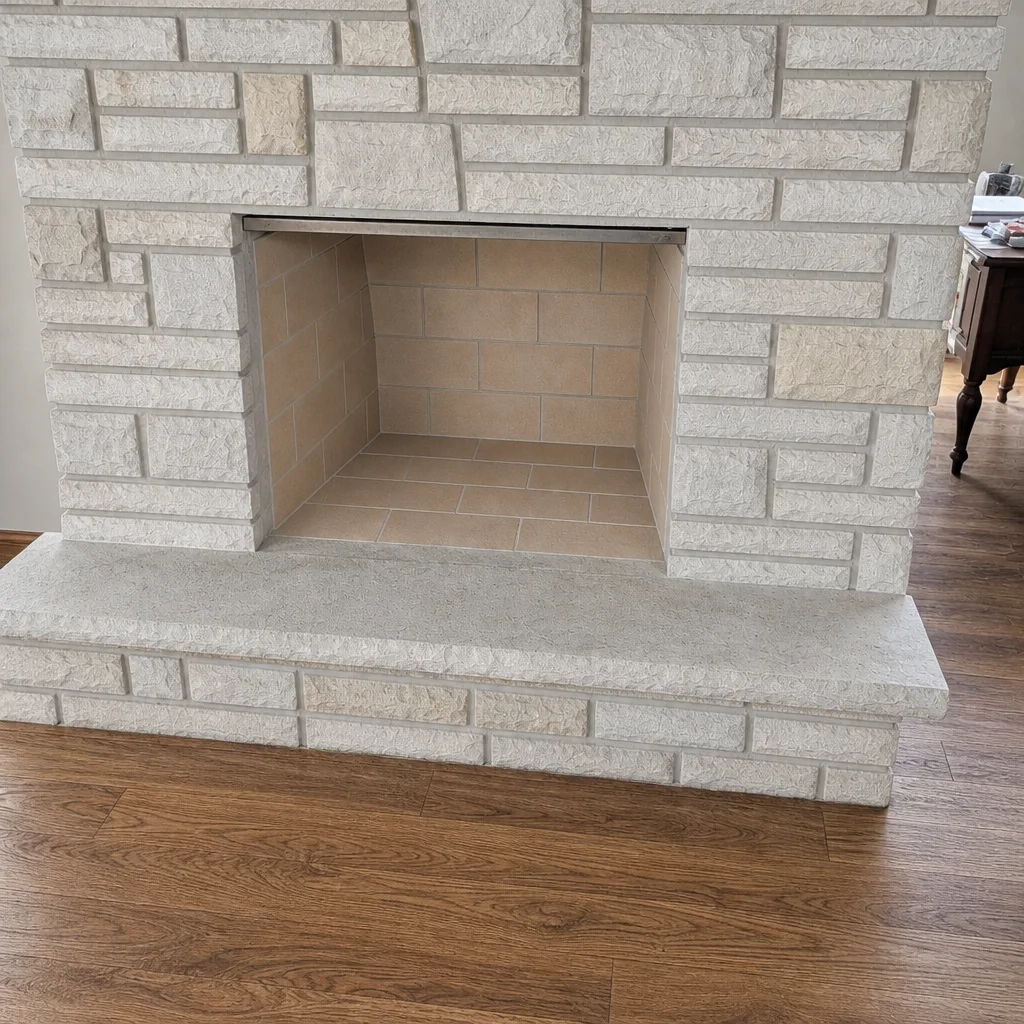 After
When to Call a Professional
Some chimney situations shouldn’t wait. Call a chimney professional when there’s creosote buildup visible or a strong smoke smell back-drafting into the room, when you’ve had a chimney fire (even a small one, and even if it seemed to go out on its own), or when a gas appliance’s carbon monoxide alarm has gone off. An unknown chimney history after moving into a new home is another reason to schedule: you don’t know when the flue was last cleaned, and inspection is the only way to know. West Valley City Chimney Sweep offers free estimates in West Valley City – call (877) 792-7416. Our technicians have up to 15 years of experience, and every visit includes the camera evidence to go with any recommendation.
Chimney fires and carbon monoxide are the specific risks to take seriously. A chimney fire can be contained inside the flue and still damage the liner badly enough that it no longer protects the house. Carbon monoxide from a blocked or cracked flue is invisible and odorless, so a working CO alarm and a properly inspected chimney are both essential. Don’t rely on the alarm alone to tell you the chimney is safe.
Frequently Asked Questions
You should hire a professional for anything beyond a surface inspection, and specifically for a proper sweep and camera inspection. A DIY flue brush can knock down loose creosote, but it can’t diagnose a cracked liner, a separated joint or a glazed deposit, and those are the conditions that matter for safety. The camera is the part you can’t replicate at home.
Typical chimney sweep pricing in the West Valley City market falls in a range, not a single number, because it depends on the flue configuration and whether inspection is included. A written estimate sets the final price before work begins, and that estimate should name the scope. Call (877) 792-7416 for an exact quote – estimates are free.
Sweep frequency depends on how much you burn and what shape the flue is in. Many chimney professionals recommend annual cleaning and inspection for anyone burning wood regularly, because the inspection is as valuable as the cleaning and a year is enough time for meaningful changes to develop. If you burn less, the inspection still matters; ask your technician for a schedule that fits your use.
Skipping a sweep lets creosote accumulate on the flue walls, and glazed creosote is the fuel that makes chimney fires dangerous. It also means you lose the annual inspection that catches a cracked or deteriorating liner before it becomes a structural problem. The consequence is real but the timeline is unpredictable, which is exactly why routine inspection matters more than reactive repair.
Ask for the certification number, then look it up in the CSIA’s public directory online. The number should be current, and the business name should match the one on your estimate. It’s a quick check and it’s the single fastest way to sort a specialist from a generalist.
Ask whether a camera inspection is included in the price or costs extra, and whether you’ll receive the images. A specialist includes the camera by default and shares what it found. If you get “we can add a camera for an additional fee,” that’s a useful piece of information about how the company works.
The Bottom Line
Hiring a chimney contractor in West Valley City comes down to verification. Check the CSIA number and the Utah DOPL license, ask the five questions before you book, and require a written estimate that names the scope, method and liner access plan. Ask whether the camera inspection is standard or an upsell. Ask what can safely wait. The answers to those questions will tell you what the price alone can’t. If a company does chimney work exclusively and can produce its credentials and its camera evidence without being pushed, you’ve found your contractor. If it can’t, keep looking. Call (877) 792-7416 for a free estimate. We answer 24/7. Fast dispatch from 7am to 7pm, Sunday through Friday.
Written by the team at West Valley City Chimney Sweep.