
Last updated November 25, 2026
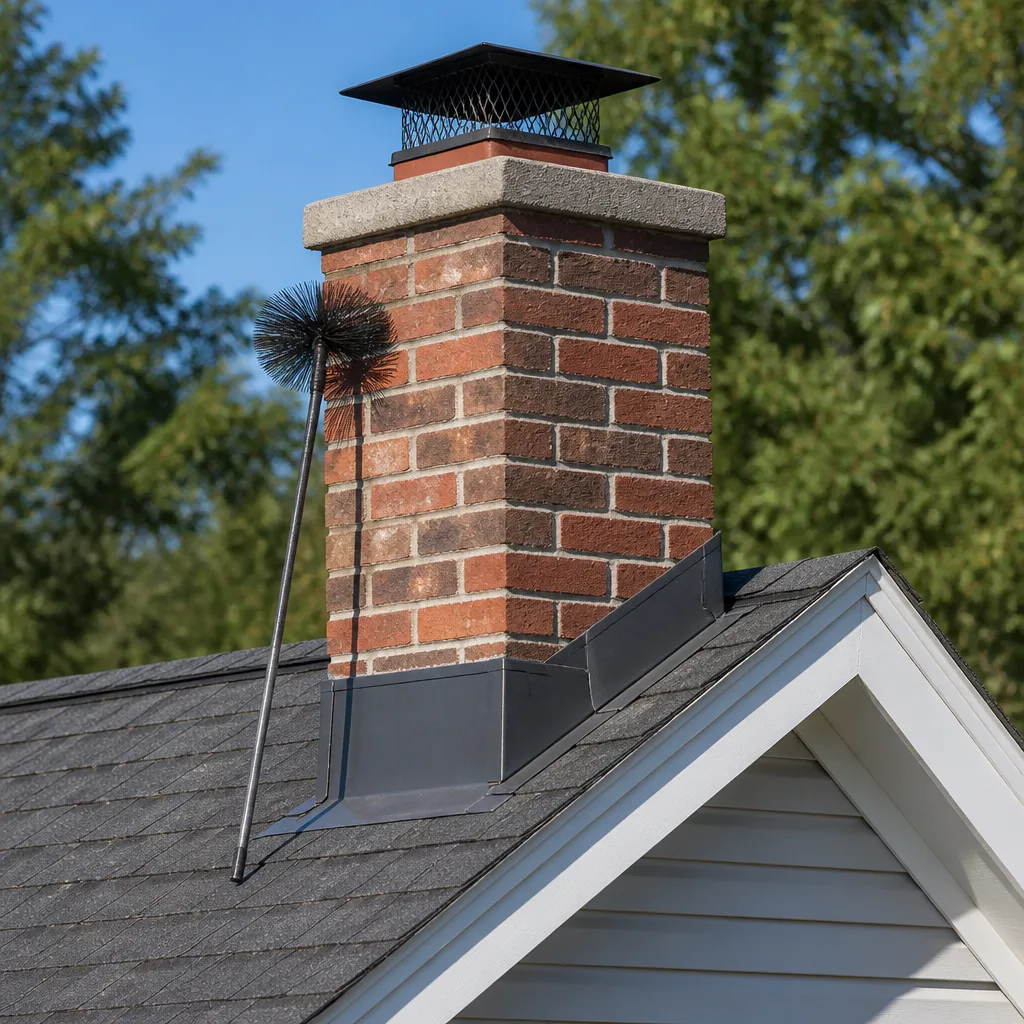 Sweep & inspection
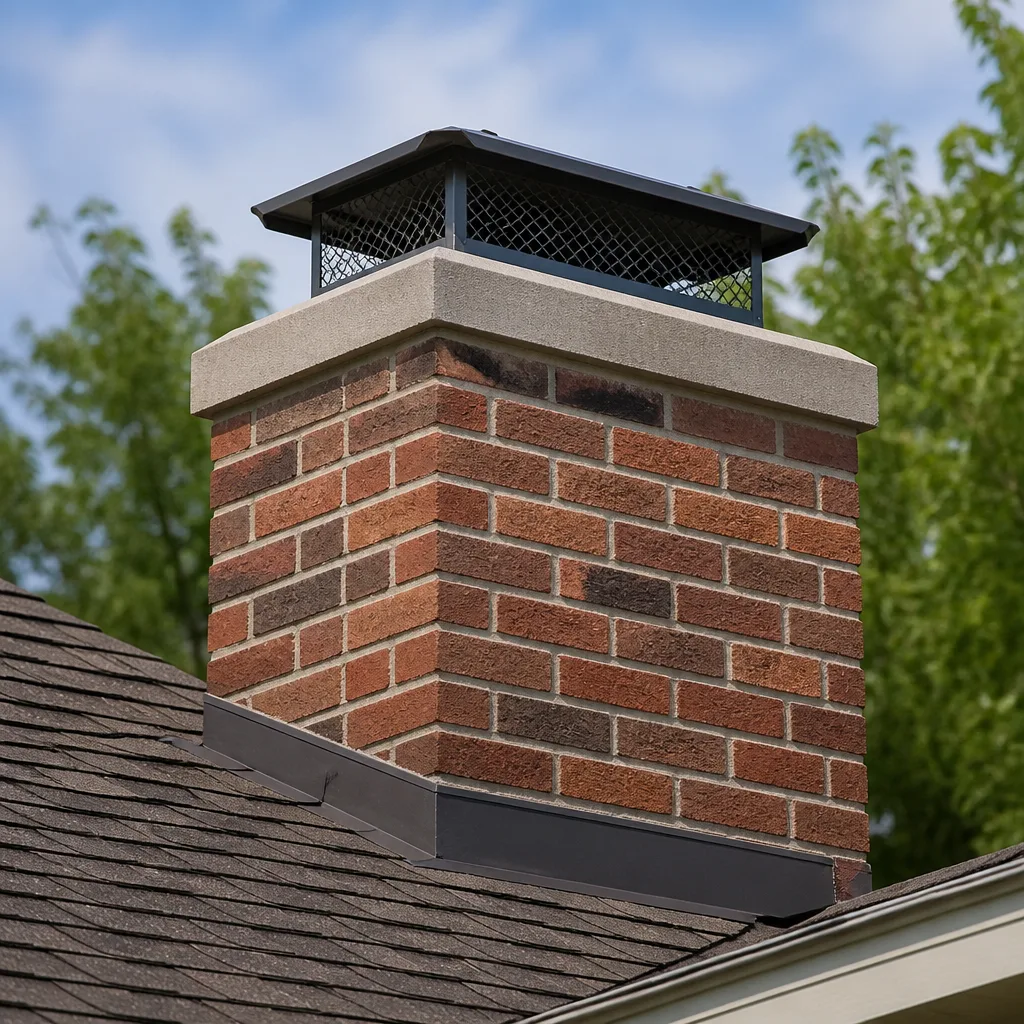 Caps & crowns
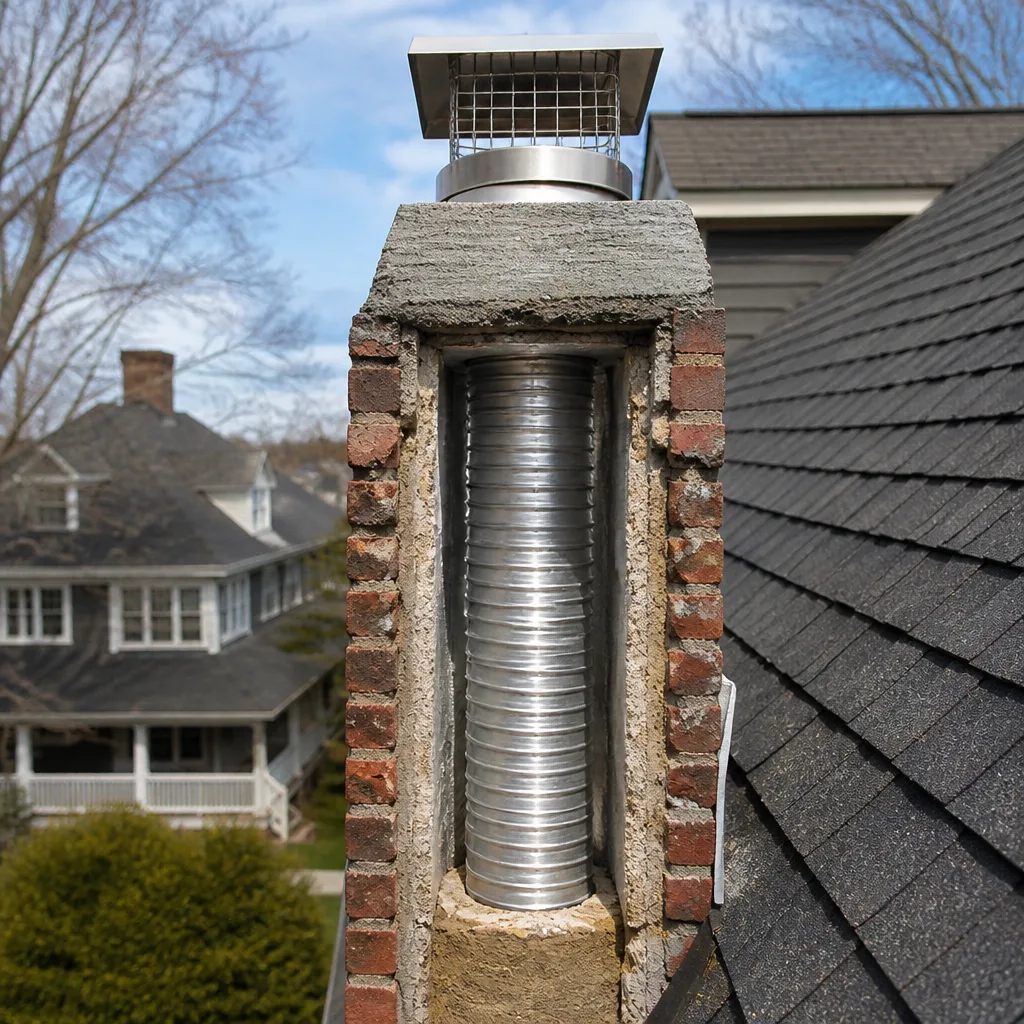 Flue relining
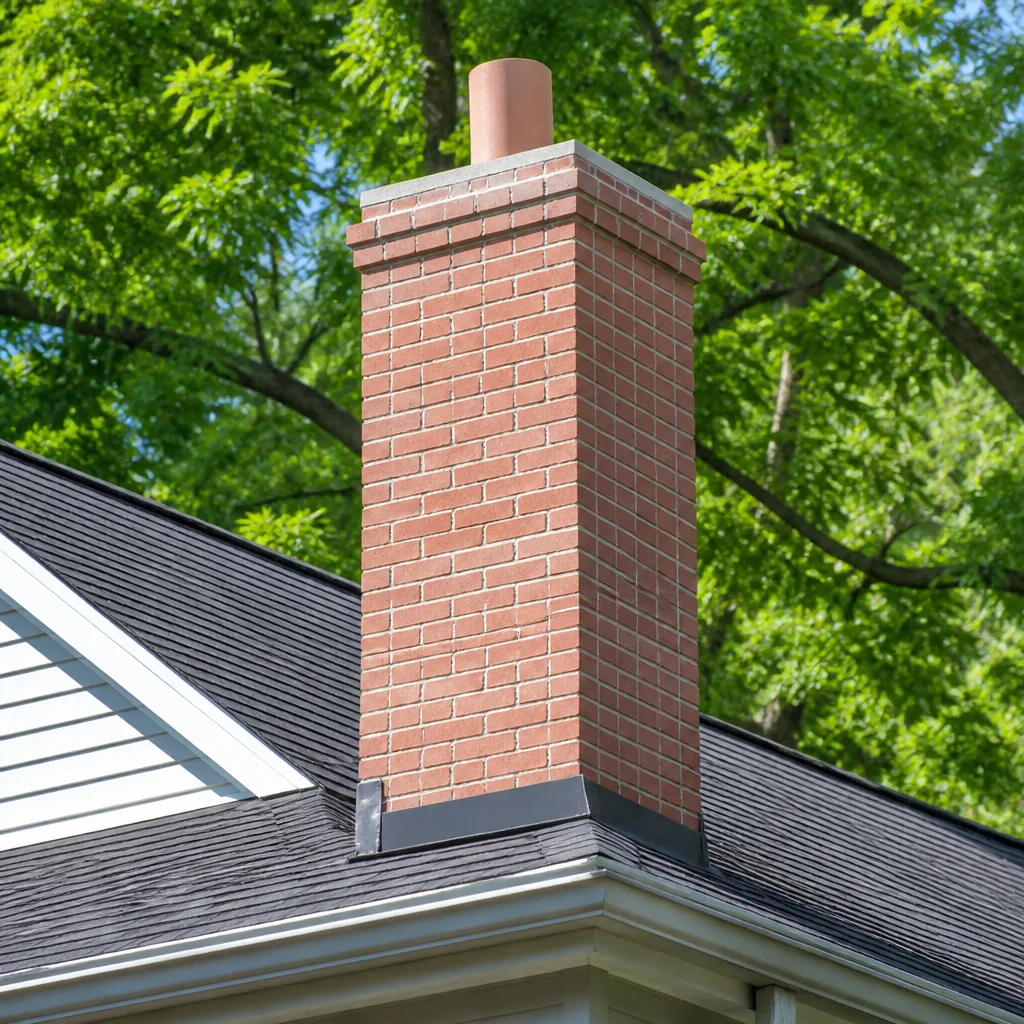 Masonry repair
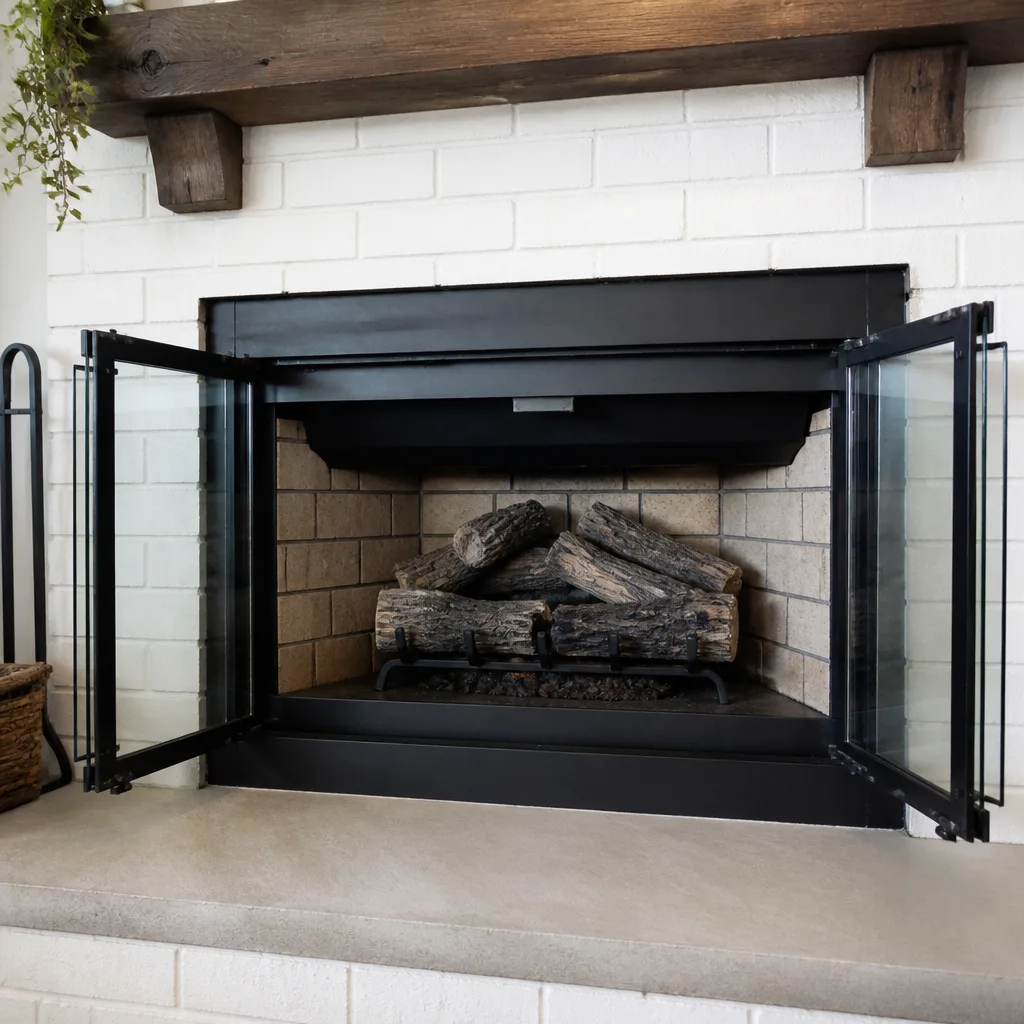 Gas fireplace service
Level 1 sweep and inspection to the NFPA 211 annual standard - flue, crown, cap, and flashing checked and photographed
Chimney sweep logs do not sweep chimneys. They loosen some creosote - which then falls where a brush and vacuum still have to collect it.
Chimney Cleaning Emergency Preparedness Guide for West Valley City Homes
Most homeowners think chimney emergency prep means keeping a fire extinguisher within reach. It doesn’t. A chimney fire in a flue lined with Stage 3 creosote can reach 2,000°F, hot enough to crack terra cotta liner tiles and push heat through to the wood framing behind them. It often starts as a low roar you mistake for wind before the acrid smell reaches the room. Knowing that sequence, and what to do in the first few minutes, matters more than any tool on the shelf. This guide walks through the failure modes, the early-warning window, the CO detector details, and the pre-season checklist that keeps a West Valley City home out of that situation entirely.
Quick Answer
A chimney fire emergency is prevented, not fought. The three things that decide whether a West Valley City home ends up with a chimney fire or a carbon monoxide event are creosote buildup in the flue, a compromised liner nobody has inspected, and a cap or flue that’s been blocked by nesting animals or debris. Get those three checked before burning season, know the sensory signs of a flue fire so you recognize one in the first minute, and place working CO detectors on every level near the fireplace and furnace flue. If a fire does happen, call 911, close the damper and glass doors if you safely can, and do not use the fireplace again until a Level 2 inspection confirms the liner is intact.
Styles & brands we work with
- Sweep & inspection
- Caps & crowns
- Flue relining
- Masonry repair
- Gas fireplace service
Table of Contents
- The Failure Modes That Actually Cause Chimney Emergencies
- The 60-Second Sensory Sequence of a Chimney Fire
- What to Do in the Minutes Before the Fire Department Arrives
- Where CO Detectors Belong in a Home With a Fireplace
- What “Chimney Ready” Means as a Pre-Season Checklist Item
- The Post-Fire Protocol: Level 2 Inspection and Liner Verification
- How West Valley City Winters Shape Chimney Risk
- When to Schedule an Inspection Before the Season Starts
The Failure Modes That Actually Cause Chimney Emergencies
Chimney emergencies don’t come from nowhere. In our experience, almost every call we respond to after a fire, a CO alarm, or a flue that stopped drafting traces back to one of a handful of root causes. Understand these and you’ve cut your household’s risk much more than any fire extinguisher can.
- Stage 3 creosote ignition. Creosote starts as a light soot, then flakes, then becomes a glazed, tar-like coating that’s hard to remove with a brush. That glazed layer is what fuels a chimney fire. Annual sweeping stops creosote from ever reaching that stage.
- Liner deterioration. Terra cotta tiles crack from thermal shock. Cast-in-place and stainless liners can fail at joints or from impact. Once the liner is compromised, heat and gases have a path into the masonry and the framing.
- Blocked flue. Birds, squirrels, and raccoons nest in chimney flues, and the nest material is often combustible and always obstructive. A blocked flue turns every fire into a carbon monoxide event.
- Failed cap or crown. A loose cap lets water in, which degrades the liner and the masonry. A cracked crown funnels water straight into the flue.
- Backdraft from a cold flue. A cold chimney doesn’t always pull. Smoke and CO can spill back into the living space, especially in tightly sealed modern homes.
- Damper or firebox damage. A damaged damper, cracked firebox panel, or rusted throat lets smoke and heat escape where they shouldn’t.
None of these are rare. They’re the ordinary condition of chimneys that haven’t been serviced. A chimney sweep combined with an inspection catches all six, which is why we treat the two as a pair on every pre-season visit.
The 60-Second Sensory Sequence of a Chimney Fire
Chimney fires don’t announce themselves with flames shooting out of the top in every case. Sometimes they do, and sometimes you’ll only notice a hollow roar. Here’s the sequence our technicians teach homeowners to recognize, in the order the senses usually pick it up.
- Sound. A low, rumbling roar like a freight train or wind gusting in a tunnel. It doesn’t sound like popping wood. It’s continuous and rhythmic.
- Vibration. The stovepipe or the metal liner can visibly pulse or vibrate. If the fireplace doors rattle without wind, that’s a signal.
- Smell. A sharp, acrid creosote smell that’s unlike normal woodsmoke. It has a hot, chemical edge.
- Smoke. Smoke puffing from the top of the chimney or from cracks in the masonry. Smoke without a fire’s plume behind it is always worth investigating.
- Temperature. A wall or chimney breast that’s hot to the touch. If you can’t hold your hand on it, the fire has moved beyond the flue.
- Visible flame or sparks. From the top of the chimney, from the cap, or from cracks. At this stage you’re calling 911 immediately.
The reason the sensory sequence matters is that the first 60 seconds decide how you respond. A homeowner who mistakes a low roar for wind feeds the fire. A homeowner who recognizes it shuts the air supply, calls 911, and gets everyone out. Those two responses have very different outcomes.
What to Do in the Minutes Before the Fire Department Arrives
Follow these steps in order. Skip any step that would put you near smoke or flame. Your personal safety is worth more than any building.
- Get everyone out, then call 911. Even if you think the fire is small, call. Chimney fires can reignite hours after they look contained.
- Close the glass doors and the damper if you can do it safely. Cutting the air supply starves the fire of oxygen. Do this from a distance, and never reach into a firebox that’s venting smoke into the room.
- Don’t pour water down the flue. Water hitting a hot liner can crack tiles and send steam and smoke into the room.
- Don’t spray a fire extinguisher into the firebox. A chimney fire is above the firebox, in the flue. The extinguisher won’t reach it and can make the smoke worse.
- Move combustibles away from the chimney breast. Furniture, curtains, cardboard boxes. Clear a perimeter.
- Wait outside or at the far end of the home. Meet the fire department at the door with a clear description: “Chimney fire, wood-burning fireplace, approximately X minutes ago.”
- Do not relight the fireplace. Even after the fire appears out, the masonry and liner can stay hot for hours.
If the fire department responds and gives the all-clear, don’t take that as permission to burn again. It means the structure is safe, not the chimney. A post-fire inspection is the next step, always.
Where CO Detectors Belong in a Home With a Fireplace
Carbon monoxide is the quieter half of chimney emergencies. It’s invisible, odorless, and it can build up from a blocked flue, a poorly drafting chimney, or a backdraft event. The right placement of detectors is the difference between an early warning and a silent exposure.
UL 2034 is the standard CO alarms are manufactured and tested to. Under that standard, alarm placement guidance comes down to a clear set of rules we pass to every homeowner we visit:
- One detector on every level of the home. Including the basement if you have one.
- One within 10 feet of every sleeping area. Not in the bedroom itself unless it’s the only option, but close enough to wake someone.
- One in the same room as the fireplace, or in the room directly connected. Chimneys that backdraft send CO into the nearest living space.
- One within 10 to 15 feet of the furnace flue and the water heater flue. CO from an appliance vent is just as dangerous as CO from a chimney.
- Mount at knee-to-chest height, or on the ceiling, following the manufacturer’s instructions. CO mixes with room air, so both placements work; follow the specific unit’s recommendation.
- Test monthly and replace the battery every six months. A detector that doesn’t chirp on the test button isn’t doing anything.
- Replace the unit itself before the end of its rated life. Most CO alarms are rated for a certain number of years and then stop being reliable.
We’ve seen plenty of homes in West Valley City where there’s a CO detector on the wall but it’s mounted in a hallway far from the fireplace, or it’s ten years old, or it’s unplugged because it kept chirping. Every one of those homes is one cold snap away from a silent problem.
What “Chimney Ready” Means as a Pre-Season Checklist Item
“Chimney ready” is our term for the condition of a chimney on the first cold night of the season, before the first fire. In a West Valley City home, that’s usually an evening in late October or early November. Here’s the checklist we run through with homeowners.
- The cap is secure. No gaps, no missing screens, no loose legs. A secure cap is your single best defense against birds, squirrels, and rain.
- The crown is intact. No cracks, no crumbling, no separation from the flue tile. A cracked crown channels water into the chimney every time it snows or rains.
- The flue is clear. No bird nest, no animal debris, no leaf accumulation. We check this with a camera on every inspection, and we’ve found blockages in plenty of West Valley City homes where the fireplace had simply stopped pulling well.
- The liner is inspected. Terra cotta, cast-in-place, or stainless, we want to see the interior surface before the first fire. A failed liner isn’t something you find by looking at the outside of the chimney.
- Creosote is swept. Stage 1 and Stage 2 creosote can be removed with a standard sweep. Stage 3 glazed creosote needs a different approach, which is where HeatShield liner resurfacing comes in.
- The damper works. Fully open, fully close, no sticking, no rust holding it partway.
- The firebox and smoke chamber are intact. No cracked brick, no missing mortar joints, no rust-through on a prefabricated insert.
- Wood is dry. Seasoned wood below 20% moisture burns cleaner and produces less creosote. Green wood is the biggest single driver of a chimneys-fail-early problem.
If that list sounds like a full inspection, that’s because it is. We treat the pre-season sweep and inspection as one visit, not two. It’s cheaper than a spring repair and it’s the difference between burning season being uneventful and it being the season you called 911.
The Post-Fire Protocol: Level 2 Inspection and Liner Verification
After any chimney fire, no matter how small, the liner must be verified before the fireplace is used again. A Level 2 inspection is the standard for this. It’s a camera-based internal inspection of the entire flue, plus an accessible-parts inspection of the firebox, smoke chamber, damper, and the exterior of the chimney above the roofline.
Here’s what a Level 2 inspection after a chimney fire is looking for:
- Cracked or displaced terra cotta tiles. Thermal shock is the most common failure mode after a fire.
- Failed joints in a cast-in-place or stainless liner. Joint failure is where heat gets through.
- Warped or pitted stainless. Heat damage shows up as discoloration and pit marks before a full failure.
- Heat-damaged masonry behind the liner. If the flue has been breached, the masonry tells the story.
- Damaged damper and smoke chamber. Both can be warped or cracked by the fire itself.
- Compromised exterior structure. Cracks in the chimney above the roofline, damaged cap, damaged crown.
The inspection is the only way to know. You can’t tell from the outside, from the firebox, or from how the fireplace is drafting. Only a camera run down the flue gives you the real picture. If the liner has failed, HeatShield resurfacing restores many flues without a full reline. If it’s damaged past that, a DuraFlex stainless liner is the professional-grade replacement option most chimney specialists reach for.
Until the inspection is complete, do not relight the fireplace. Not “just one small fire.” Not for ambiance. The liner is either intact or it isn’t, and you won’t know until you look.
How West Valley City Winters Shape Chimney Risk
West Valley City sits in the Salt Lake Valley, which means winter air inversions and long cold stretches rather than the ocean moderation some coastal climates get. That has a few specific effects on chimney risk in a home here.
Inversion days trap cold air near the ground and warm air above it. That temperature profile makes chimneys harder to draft. A flue that drafts fine on a clear cold evening can spill smoke and CO back into the room on an inversion day. That’s why detector placement and a properly working cap and damper matter more here than the standard checklist implies.
Long cold stretches also mean more continuous burning, which is exactly the pattern that builds creosote fastest. A home that burns hot fires a few times a week builds less creosote than one that keeps a low, smoldering fire for hours. If your household runs the fireplace continuously from November through February, that’s a call to sweep at the start of the season and again at the end if you’ve burned a lot of wood.
The dry air in the valley works on the masonry, too. Chimneys take on moisture during snow and rain, then dry out fast as the air warms. That freeze-and-thaw style cycling is what cracks crowns and opens mortar joints. A crown that looks fine in October can look the opposite by March. A chimney cap & crown installation in the fall gives you the whole winter to see whether the top of the chimney holds.
Neighborhoods across West Valley City have chimneys of different vintages. The older homes near the historic Granger area tend toward masonry chimneys with terra cotta liners, which are exactly the ones where a camera inspection finds the most. Newer builds around Hunter and West Valley’s southern subdivisions often have prefabricated inserts with their own service requirements. Neither kind can be judged from the outside.
When to Schedule an Inspection Before the Season Starts
The best time to schedule a chimney inspection in West Valley City is before the first cold snap, which usually means the last two weeks of September or the first part of October. Booking the sweep and the inspection together gets both done in one visit, and it gives you time to schedule a repair if the inspection finds one, without the pressure of a fire already on the calendar.
Here’s how to know if you need to move that timeline up:
- You just moved into the home. The chimney’s history is a mystery. A Level 2 inspection establishes a baseline.
- You just bought or sold a property. A standalone inspection is standard for real estate, and a written report is what insurers and buyers actually want to see.
- You’ve never had it swept. If you don’t know when the last sweep was, it’s due.
- You burn a lot of wood. Heavy burners need a sweep more often than the “once a year” rule of thumb suggests.
- The fireplace drafts poorly. A flue that pulls smoke into the room is a warning sign, not a minor annoyance.
- There’s water in the firebox. That’s a chimney cap or crown problem, and it gets worse with every storm.
- You’ve had a chimney fire. A Level 2 inspection is mandatory before you use the fireplace again.
If any of those apply, book the inspection now. Waiting until the first cold night means the schedule fills up and you’re burning in an unaudited chimney. A standalone inspection is worth scheduling even when you don’t think anything is wrong, because the camera doesn’t lie and it’s the cheapest way to know.
Common Mistakes to Avoid
- Assuming a chimney fire means there was a big visible flame. Most chimney fires are quiet and short. The sound and smell are your real early-warning signs, not a fireball at the top of the flue.
- Relighting the fireplace after a “small” fire without an inspection. Liner damage from a small fire can be significant and invisible. The fireplace stays off until a Level 2 inspection clears it.
- Mounting one CO detector on the ceiling of the upstairs hallway and calling it done. West Valley City homes need one per level, one near every sleeping area, and one near the fireplace and furnace flues.
- Ignoring a bird’s nest because the fireplace still “works.” A blocked flue is a CO event waiting to happen. The flue pull weakens before it fails outright, so an underperforming fire is a warning, not a quirk.
- Burning unseasoned wood because it’s cheaper. Wet wood builds creosote fast, and creosote is what fuels a chimney fire. Dry firewood is the single cheapest chimney insurance you can buy.
- Putting off the pre-season sweep until the first cold snap is in the forecast. In late October, every chimney company in the valley is booked. Use September and October to get the inspection done on your schedule.
- Treating a loose cap or cracked crown as a cosmetic problem. They aren’t. Water in the flue every storm is what degrades the liner; the cap and crown are what keep the flue dry.
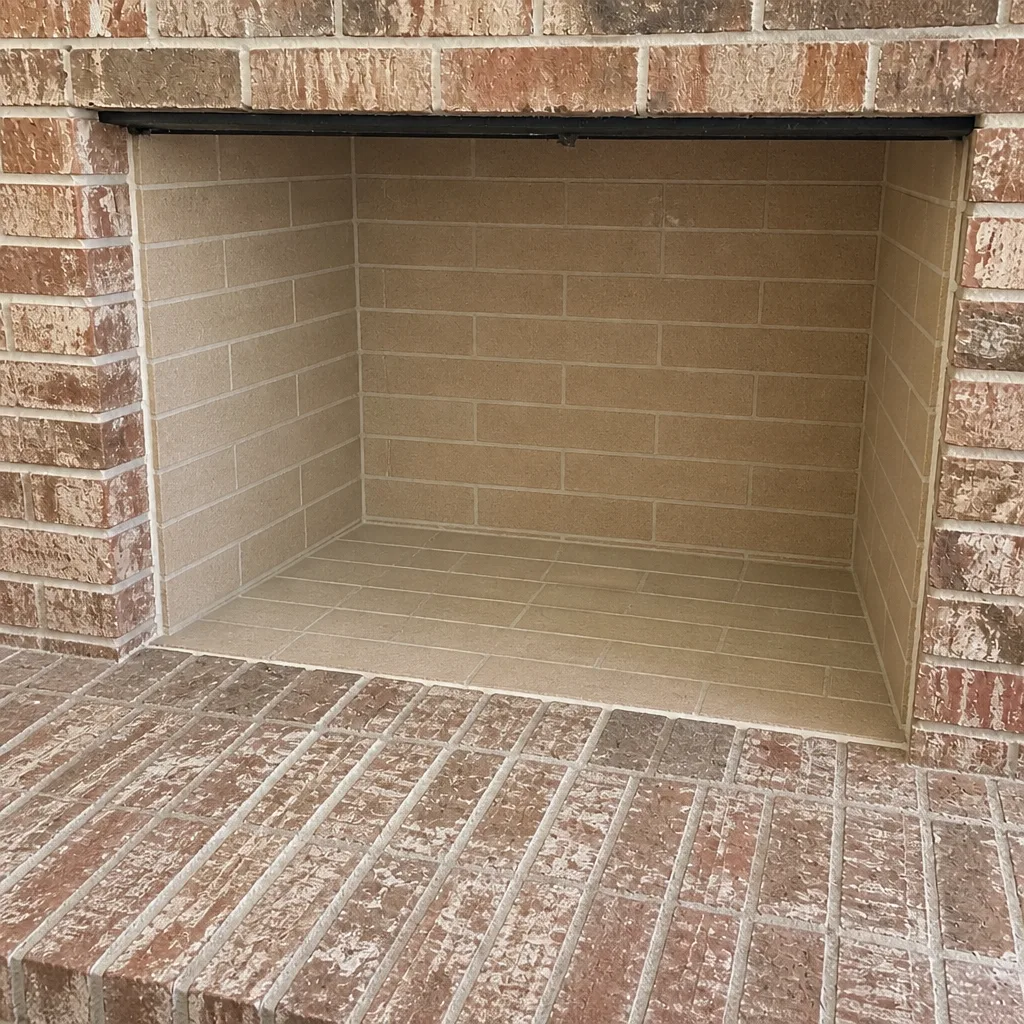
See the difference
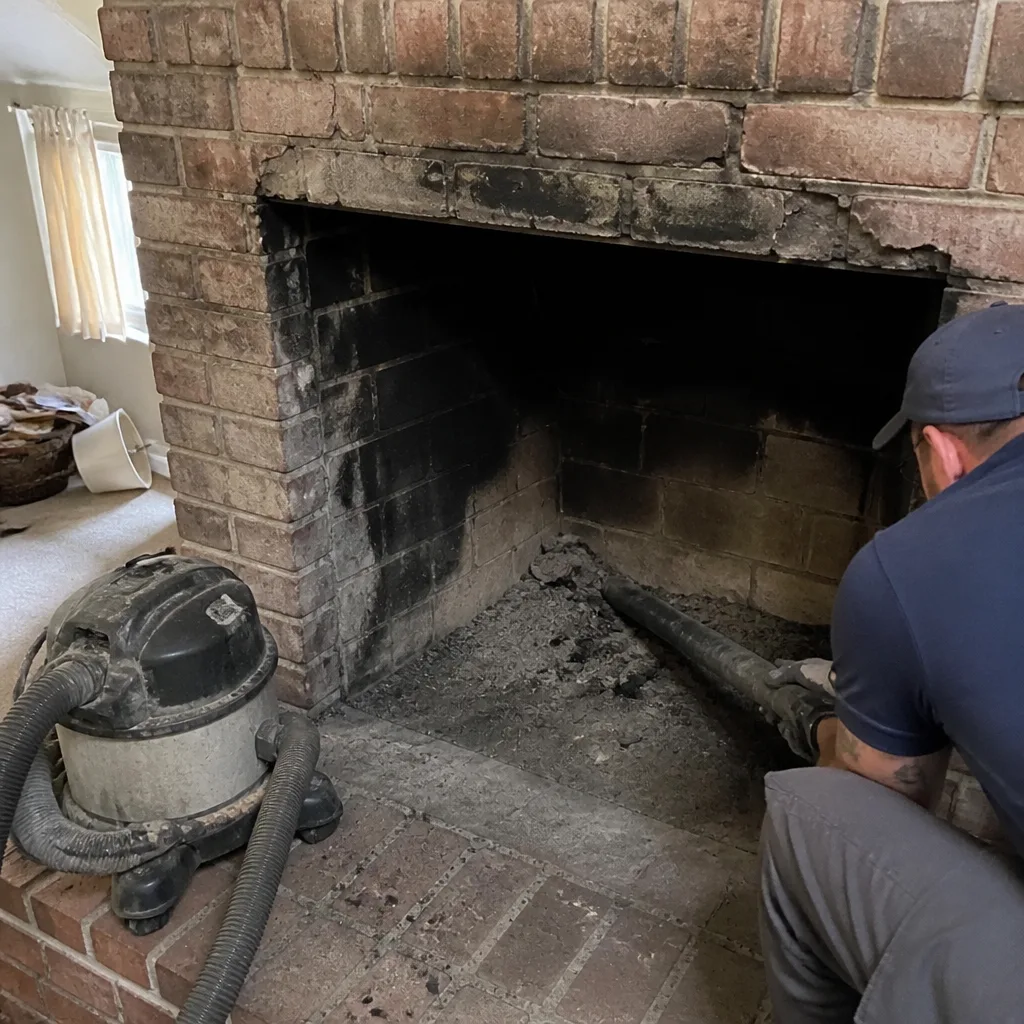 Before
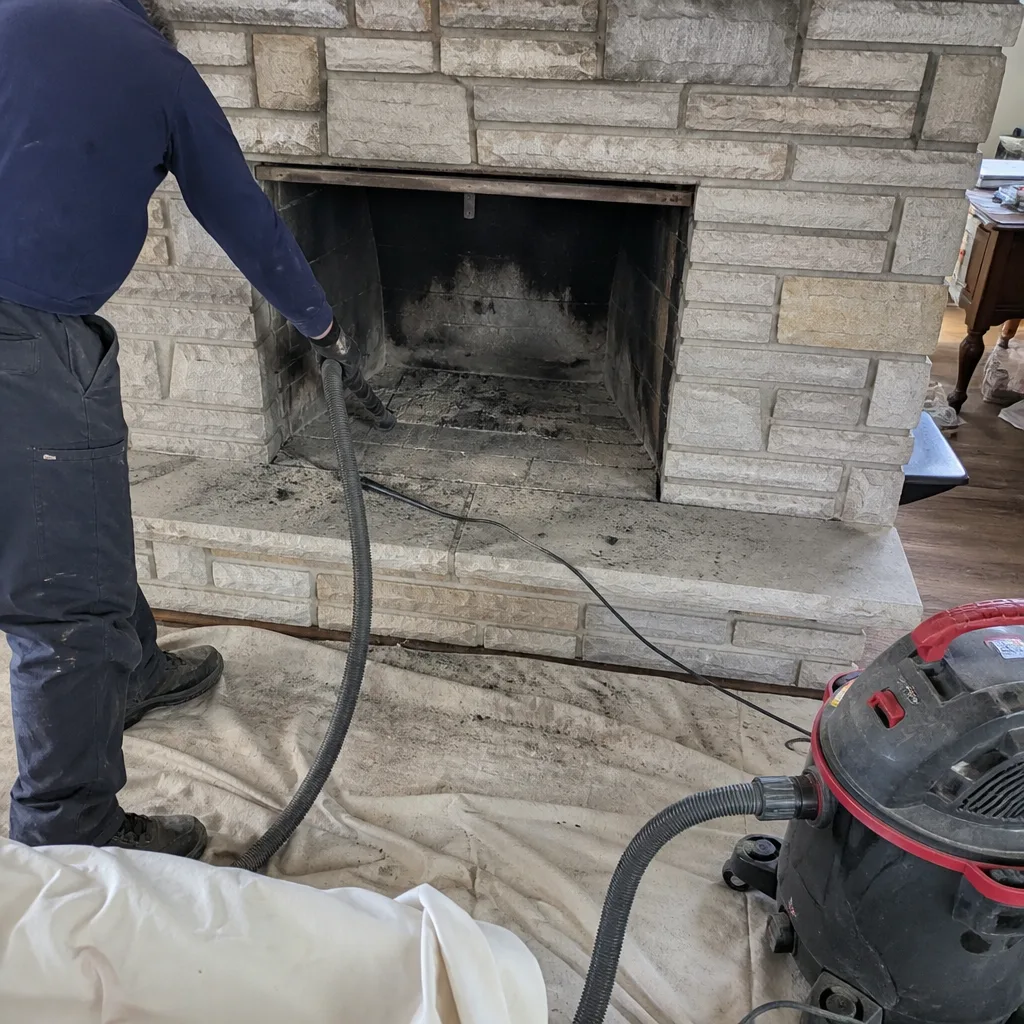
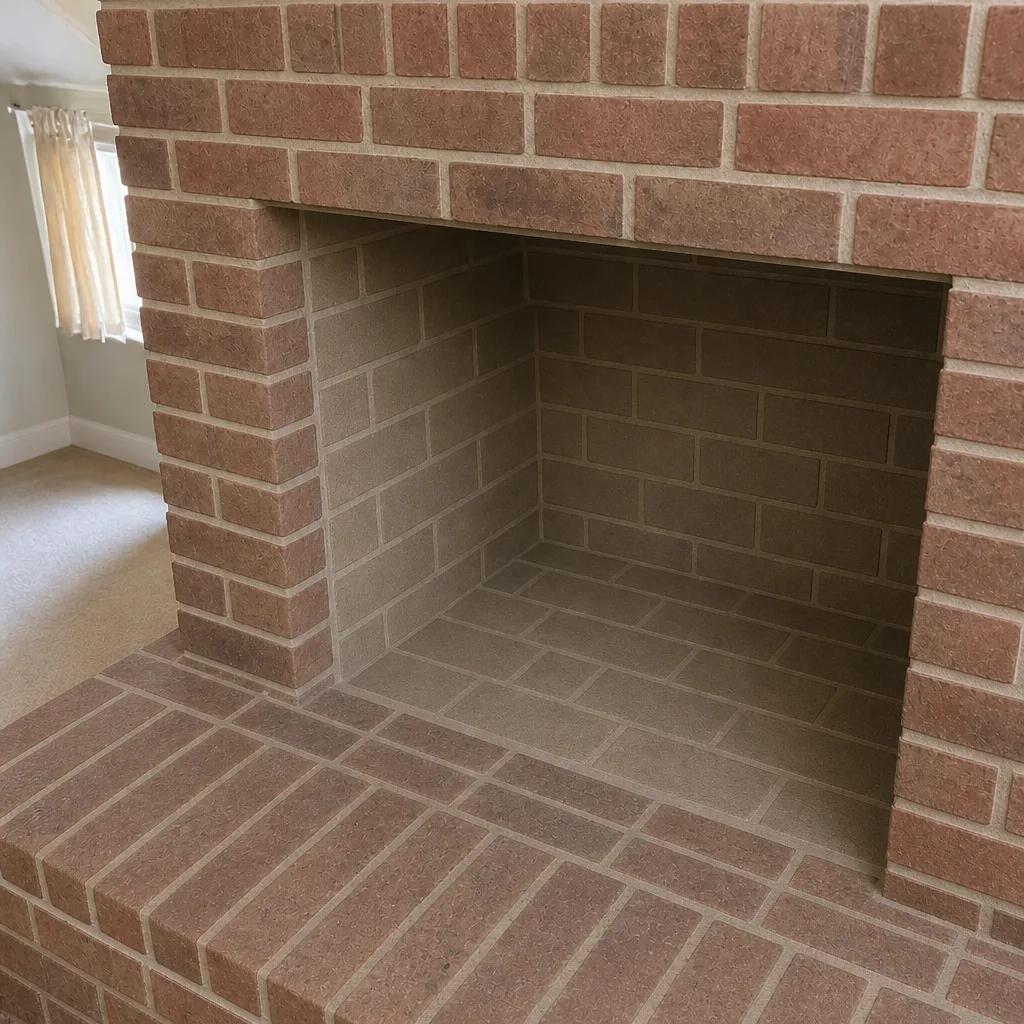 After
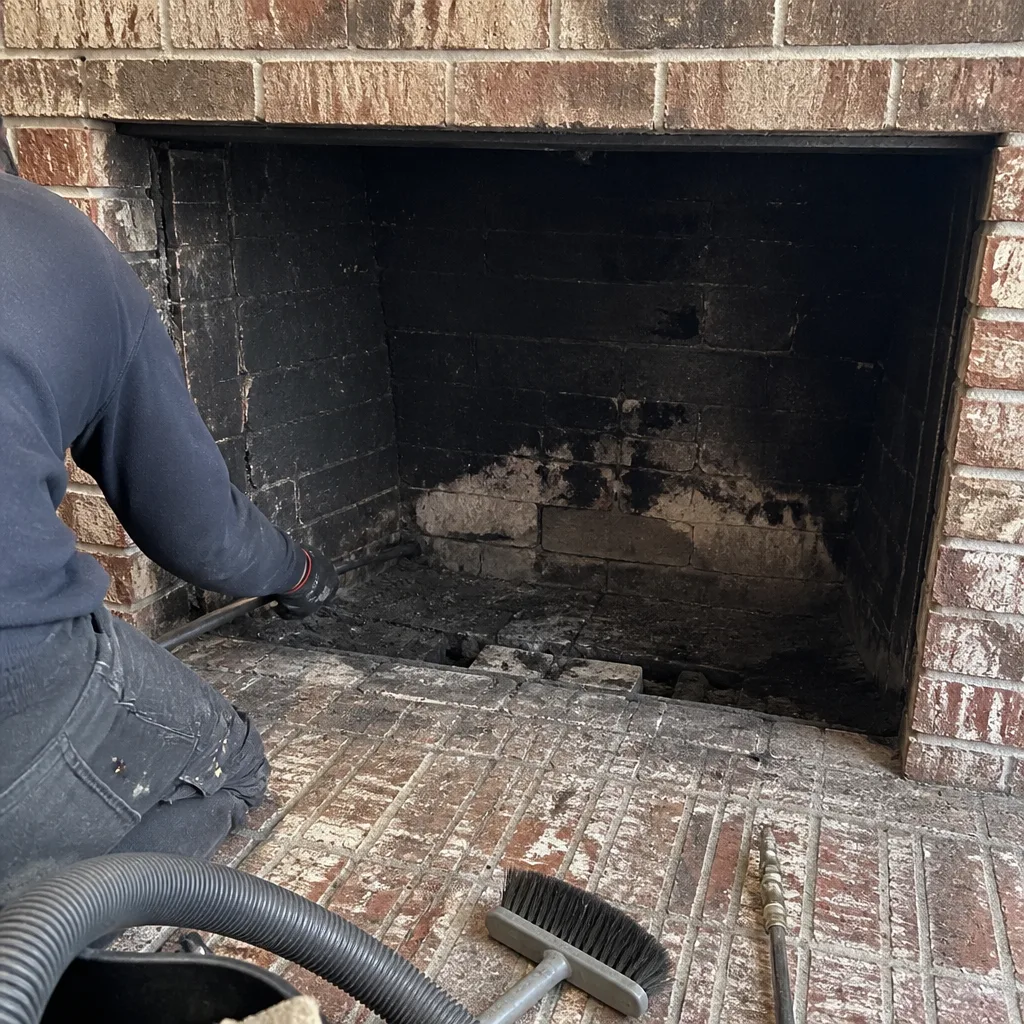 Before
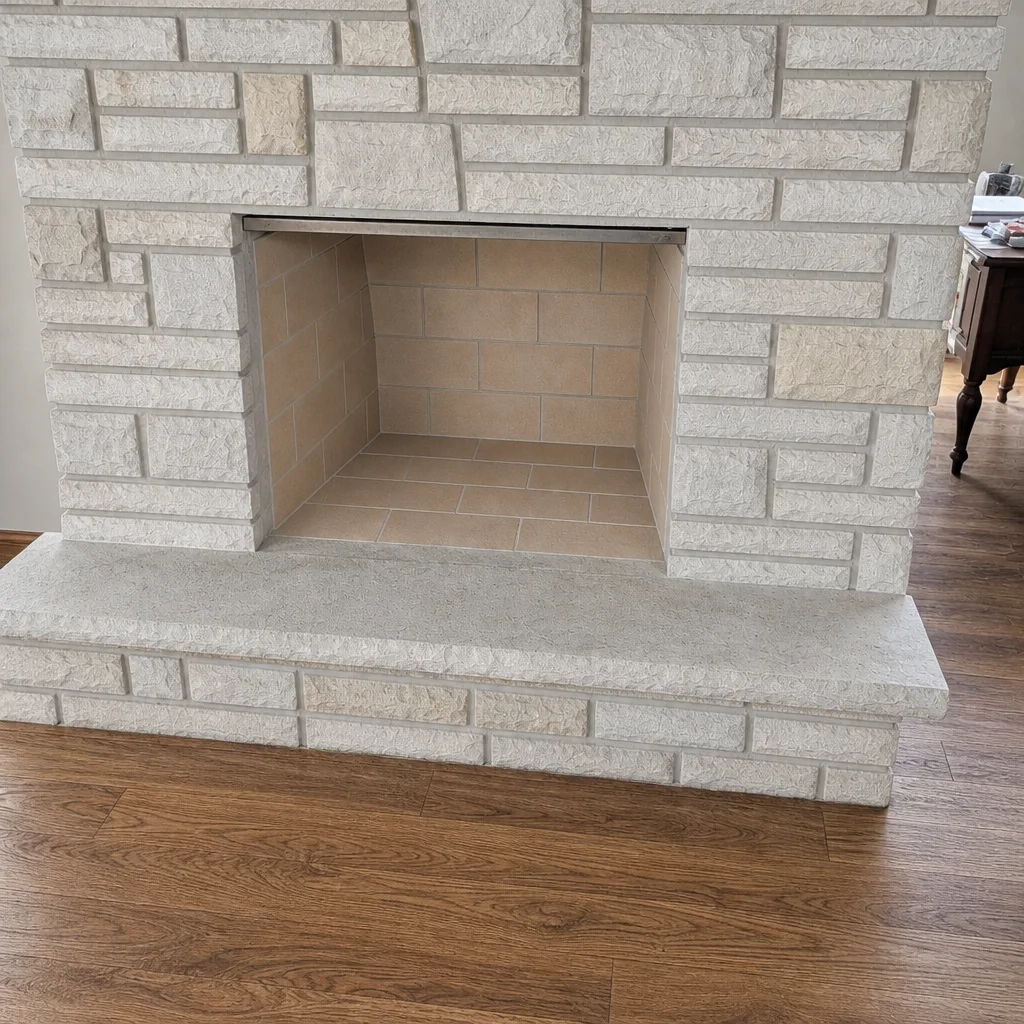
 After
 Before
 After
When to Call a Professional
Call a professional for the pre-season sweep and inspection, for anything the inspection turns up, and for any event that even suggests a chimney fire happened. Call 911 first if the fire is active. Once the fire department has given the all-clear, the next call is to a chimney specialist for a Level 2 inspection, not to a handyman and not to a general contractor. Chimney work is a single trade with its own tooling, its own standards, and its own failure modes. A generalist can look at the outside of the chimney, but only a chimney specialist can run a camera down the flue, read what’s on it, and tell you whether the liner is safe. West Valley City Chimney Sweep offers free estimates in West Valley City; call (877) 792-7416 to book one. We answer 24/7. Fast dispatch from 7am to 7pm, Sunday through Friday.
Frequently Asked Questions
A chimney fire often shows up as a low roaring sound like wind in a tunnel, an acrid creosote smell that’s sharper than normal woodsmoke, and sometimes smoke puffing from the chimney top or cracks in the masonry. After the fire is out, a camera inspection of the flue is the only way to confirm it happened and to verify the liner wasn’t damaged. Call (877) 792-7416 to book an inspection – estimates are free.
No, not until a Level 2 inspection confirms the liner is intact. The fire department giving the all-clear means the structure is safe, not the chimney. A crack in a terra cotta tile or a failed joint in a stainless liner can look fine from the outside and fail the first time you relight. Call (877) 792-7416 – an inspection is the cheapest way to know.
At minimum, one on every level of the home, one within 10 feet of every sleeping area, and one near the fireplace and the furnace flue. That means most West Valley City homes should have three or four CO detectors, not one. Placement near the sleeping area is what turns a warning into a save, so don’t skip it. Call (877) 792-7416 for a free chimney estimate if you’re not sure your detectors are positioned right.
Once a year for most homes, and twice a year if you burn wood heavily through the winter. West Valley City’s long cold stretches mean more continuous burning and faster creosote buildup than a mild climate would produce. A sweep is the cheapest protection there is. Call (877) 792-7416 to book one – estimates are free.
A Level 2 inspection covers a camera inspection of the full flue, the liner, the damper, the firebox, the smoke chamber, and the exterior structure above the roofline. It’s the standard a chimney specialist uses to determine whether the chimney is safe to use again. We don’t recommend anything unless the camera shows it – you see what we see. Call (877) 792-7416 for a free estimate.
Water gets into the flue every time it rains or snows, and that’s what cracks liners and pits stainless over a few seasons. A fireplace repair and a new cap and crown in the fall are cheaper than a liner replacement in the spring. Call (877) 792-7416 – free estimates, no upsell without camera evidence.
The Bottom Line
Chimney emergency preparedness isn’t about the extinguisher on the shelf. It’s about knowing the failure modes that lead to a chimney fire or a CO event, recognizing the sensory sequence of a flue fire in the first minute, placing CO detectors where they can actually warn you, and using the pre-season checklist to keep the whole thing from happening. If a fire does occur, the post-fire Level 2 inspection is not optional, and the fireplace stays off until it clears. Our technicians have up to 15 years of experience working with professional-grade brands like DuraFlex, HeatShield, Gelco, and Olympia Chimney, and we diagnose with a camera before we ever recommend a repair. Chimney work is all we do. If you’re ready to get your West Valley City home chimney-ready for the season, West Valley City Chimney Sweep is one call away.
Call (877) 792-7416 for a free estimate. We answer 24/7. Fast dispatch from 7am to 7pm, Sunday through Friday.
Written by the team at West Valley City Chimney Sweep.