
Last updated November 25, 2026
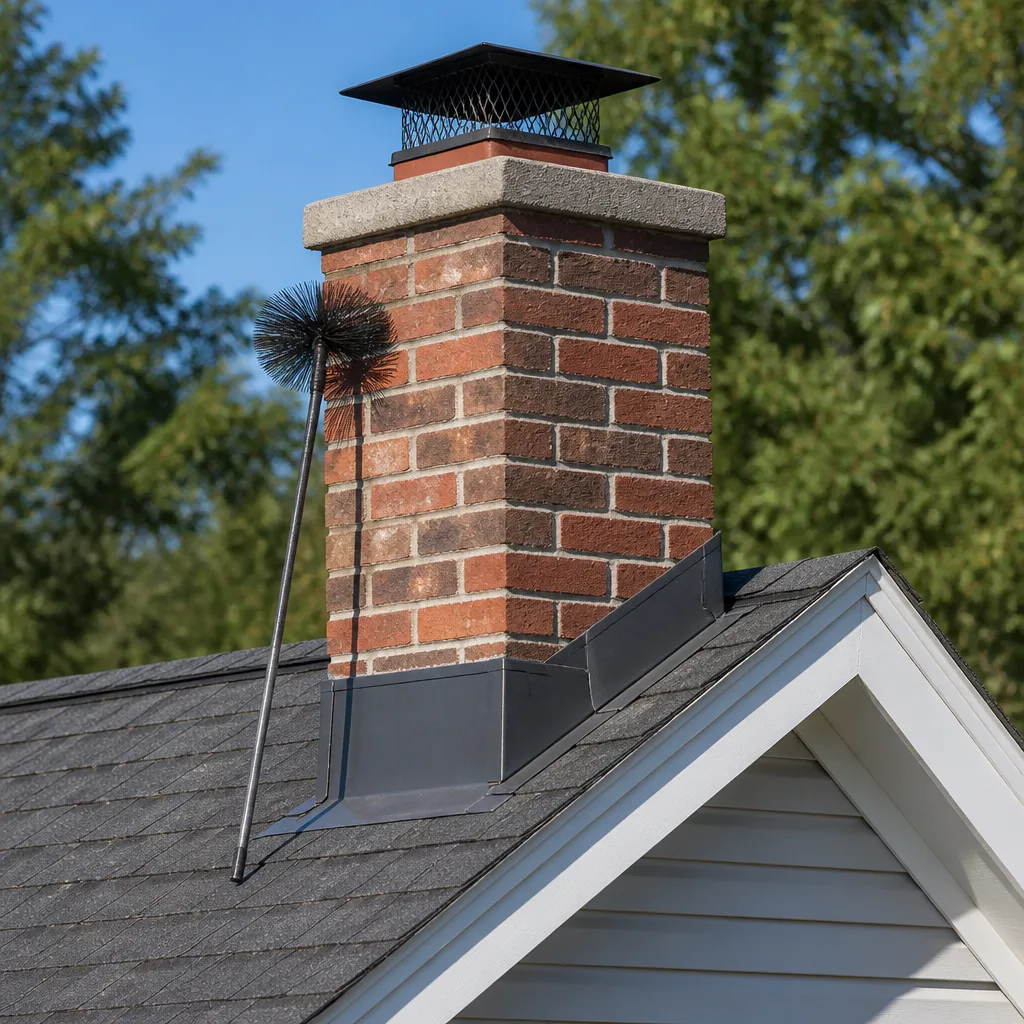 Sweep & inspection
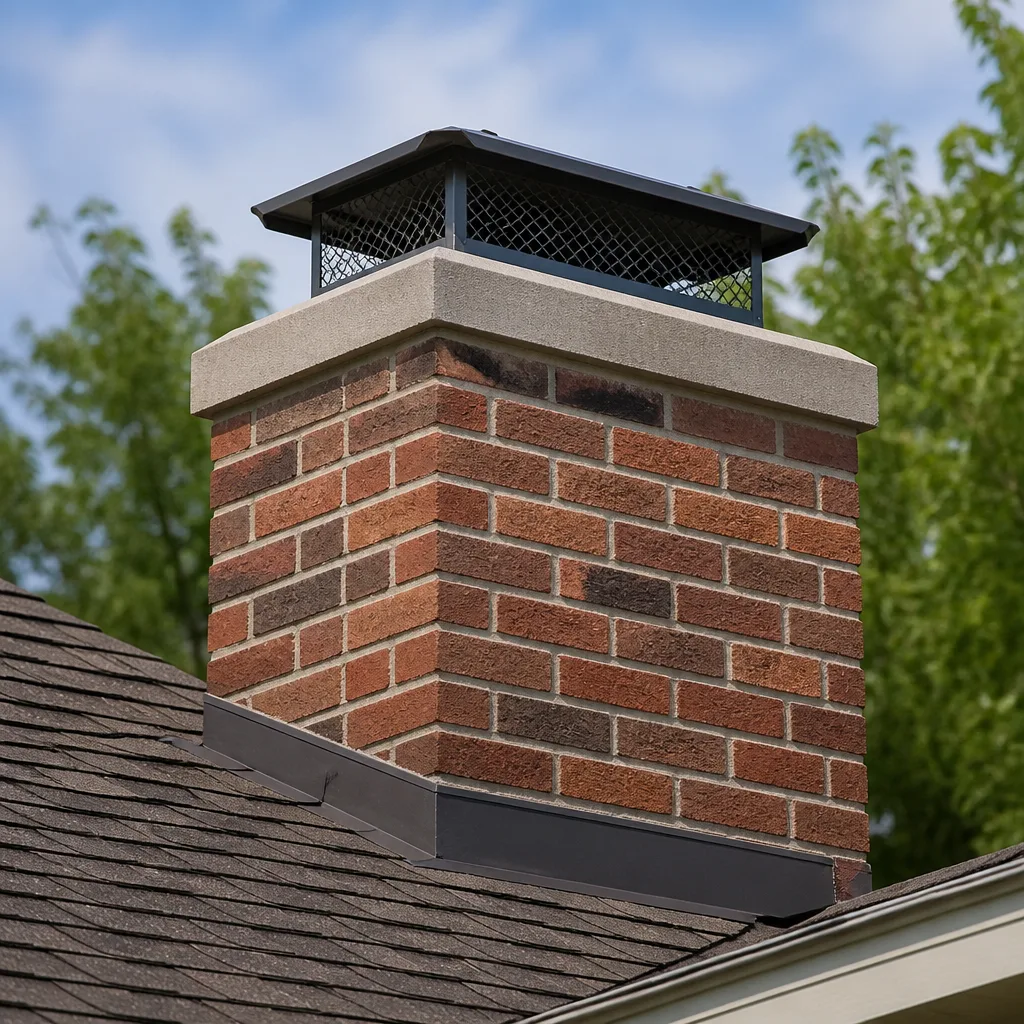 Caps & crowns
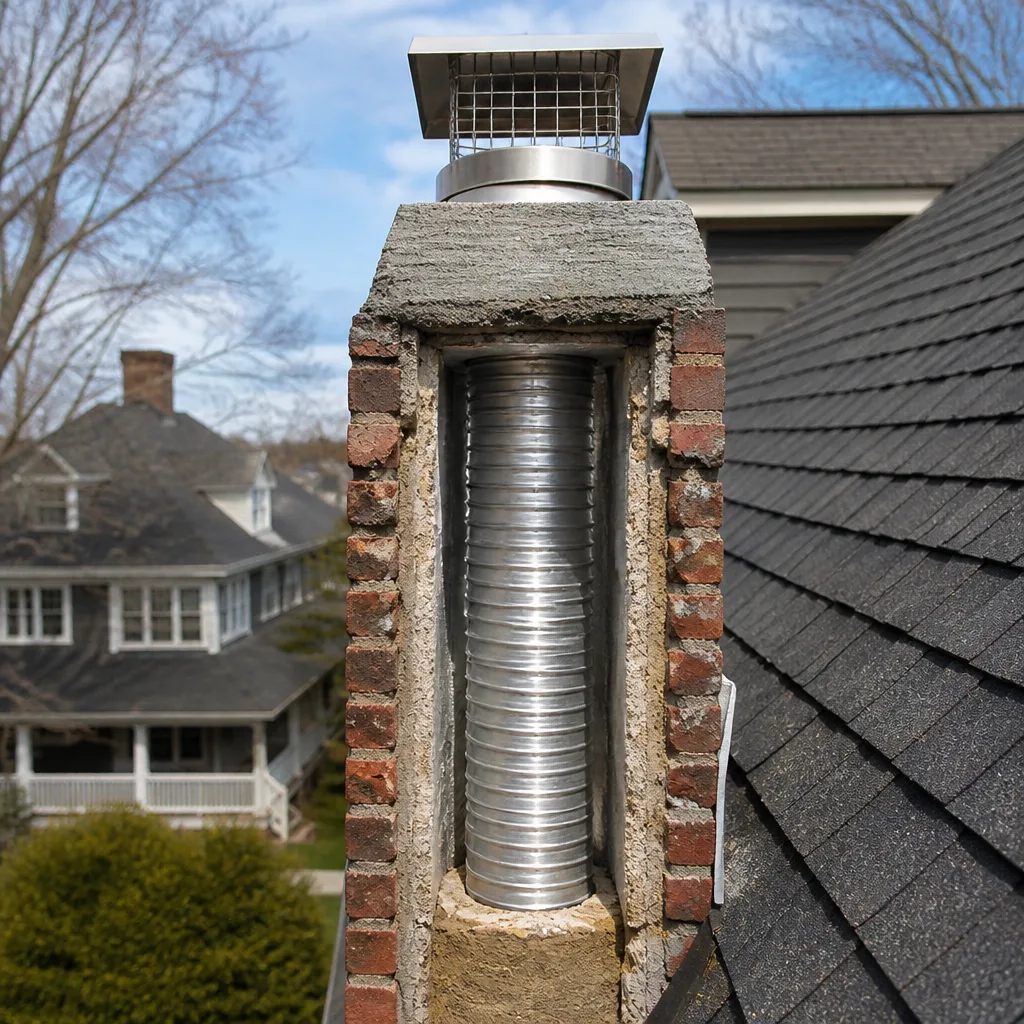 Flue relining
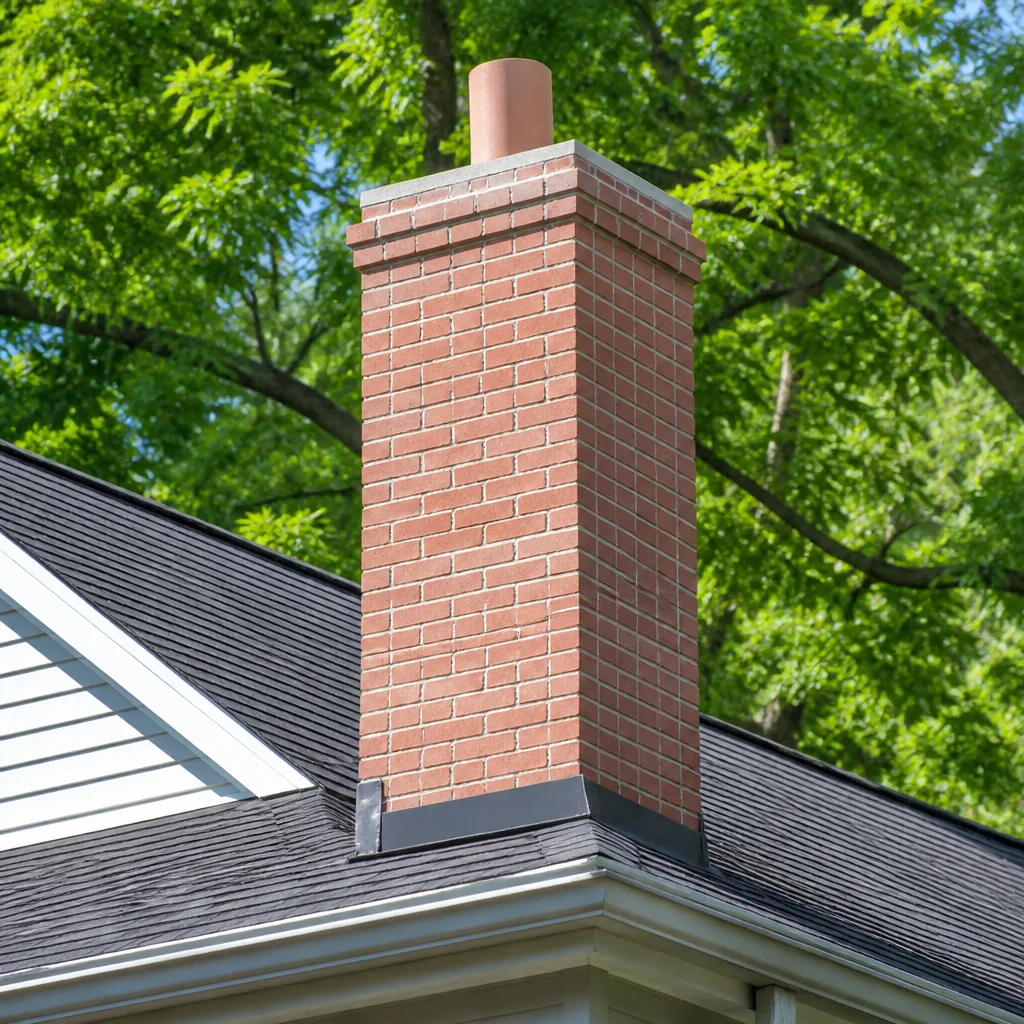 Masonry repair
 Gas fireplace service
Level 1 sweep and inspection to the NFPA 211 annual standard - flue, crown, cap, and flashing checked and photographed
Chimney sweep logs do not sweep chimneys. They loosen some creosote - which then falls where a brush and vacuum still have to collect it.
Chimney Cleaning Permits, Codes & Inspections in West Valley City, UT: What You Need to Know
An unpermitted flue liner replacement rarely looks dangerous. It looks like a clean firebox and a receipt in a drawer. But when you sell a home in West Valley City, that missing inspection record can surface as a material defect disclosure item, and suddenly work that was physically sound becomes a negotiating problem. The confusion usually starts earlier: most homeowners assume a chimney sweep needs a permit, when it almost never does, or assume structural chimney work doesn’t, when it often does. This guide separates routine maintenance from permitted construction, explains how Utah’s adoption of NFPA 211 and the International Residential Code interact with West Valley City’s own amendments, and shows you how to check permit history on your own address before you buy.
Quick Answer
Routine chimney cleaning in West Valley City does not require a building permit. A liner replacement, firebox relining, or structural alteration to the chimney or cap does. Utah adopts NFPA 211 and IRC Chapter 10 as the baseline for chimney construction, but West Valley City issues its own permits and inspections through the city building department, so the local authority – not the state code book – signs off on the work.
Styles & brands we work with
- Sweep & inspection
- Caps & crowns
- Flue relining
- Masonry repair
- Gas fireplace service
Table of Contents
- What Needs a Permit and What Doesn’t
- How NFPA 211 and IRC Chapter 10 Apply in Utah
- Where West Valley City Amendments Change the Picture
- Liner Materials That Meet Utah Code
- What a Code-Compliant Post-Repair Inspection Looks Like
- How to Pull Permit History on Your Address
- Why West Valley City Winters and Valley Air Make This Matter
- Common Mistakes to Avoid
What Needs a Permit and What Doesn’t in West Valley City?
A chimney sweep is maintenance, not construction, and maintenance doesn’t require a building permit. Neither does a standard inspection, a cap replacement that reuses the existing mounting, or minor fireplace repair that doesn’t change the structure. The permit line sits at anything that alters the chimney as a building assembly.
Here’s the practical split we use when a homeowner in West Valley City asks whether their job will be permitted:
- No permit typically required: a routine sweep, a Level 1 or Level 2 inspection, capping a flue that already has a mounting collar, replacing a spark screen, minor mortar touch-up on a crown, and firebox brick replacement that doesn’t involve the surrounding structure.
- Permit typically required: a full flue liner replacement, a cast-in-place liner installation, HeatShield application where the flue’s dimensions change, firebox relining with a refractory system, rebuilding a chimney above the roofline, removing or adding a chimney, and any change to the chimney’s height or footprint.
- Ask the city directly: a flue that gets converted from wood to gas, a chimney chase that gets reframed, and a fireplace insert installation. These sit on the edge and your inspector’s reading of the code is what matters.
One detail homeowners get wrong: a standalone inspection is not a substitute for a municipal inspection. A chimney professional’s Level 2 report documents condition and code compliance. Only the city’s inspector can close out a permit. If a contractor tells you the inspection you already paid for covers the permit, that’s a sign to slow down.
Our job when we’re in a West Valley City home is to tell you which category your work falls into before anything gets scheduled. That’s why a chimney sweep and a liner replacement are priced and permitted so differently.
How NFPA 211 and IRC Chapter 10 Apply in Utah
Utah’s statewide code adoption makes NFPA 211 (the Standard for Chimneys, Fireplaces, Vents, and Solid Fuel-Burning Appliances) and IRC Chapter 10 the baseline for any chimney work. That baseline covers clearances, flue sizing, liner requirements, and the structural rules for chimneys above the roofline. Local jurisdictions in Salt Lake County then adopt the IRC with their own amendments layered on top.
Where this gets tricky is the split between the two standards – they don’t always say the same thing, and knowing which governs your job matters:
- NFPA 211 governs the chimney as a venting system. It sets the sizing tables for flues, the requirement for a liner in every masonry chimney, and the inspection levels (Level 1, 2, 3) that determine what your sweep is allowed to sign off on.
- IRC Chapter 10 governs the chimney as a building assembly. It sets the 2-inch clearance to combustibles, the 3-foot-above-roof rule for the chimney termination, the seismic and structural requirements, and the masonry detailing.
- Where they diverge: a flue sized for a specific appliance may pass IRC clearance requirements while failing NFPA 211’s sizing table, and vice versa. A contractor who only cites one book is only doing half the check.
For a homeowner in West Valley City, the practical translation is this: your chimney is evaluated against both, and your permit is issued against the local code. If you’re getting a quote for a liner, the installer should be able to tell you the flue’s current dimensions, the appliance’s venting requirement, and whether the new liner’s listed clearance satisfies both.
We work with industry-trusted liners including Olympia Chimney and DuraFlex specifically because those products come with published listings that reference the codes your inspector will check. When a product has been through the listing process, your inspector can verify it. When it hasn’t, they can’t – and that becomes your problem at resale.
Where West Valley City Amendments Change the Picture
West Valley City adopts the IRC with local amendments, and the amendments are where most out-of-town contractors get tripped up. The amendments don’t usually contradict the state code on chimney fundamentals, but they do change what the city wants to see at permit application and inspection time.
The areas we see most often flagged in West Valley City:
- Permit submissions need a proper scope. “Replace chimney liner” isn’t a scope. The city wants the product listed, the existing flue dimensions, the appliance type, and the proposed termination.
- Inspection scheduling is sequenced. Concrete-encased anchors and firebox relining often need an inspection before the finishing layer goes on. If your installer finishes the wall before the inspector sees the anchor, the job may need to come back apart.
- Structural chimney work above the roofline gets looked at as framing. A chimney rebuild that gets flagged for lateral bracing or height is reviewed against the seismic provisions, not just the chimney standards.
- Setback and height rules apply. The termination above the roof plane is measured against the local code, and short masonry chimneys sometimes get caught by this even when they look fine from the yard.
This is why we say “ask your city’s building department” rather than quoting a number. Amendment language changes, and a permit reader in the West Valley City office can tell you today what the code says. We can tell you what work typically requires a permit and what the inspection sequence usually looks like. The two jobs are different, and we don’t blur them.
One nuance worth knowing: when a chimney cap & crown replacement involves resizing the crown or altering the chimney’s structural termination, the city may want a permit. When it’s a like-for-like cap swap on an existing collar, they usually don’t.
Which Liner Materials Meet Utah Code?
Utah code doesn’t favor one brand, but it does require a liner that’s listed, correctly sized for the appliance, and installed per its listing. The material itself is less important than the listing, the sizing, and the installation method.
The three approaches we install most often in West Valley City, and how each fits the code:
- Stainless steel liners (DuraFlex and Olympia Chimney). The default for a flue that’s structurally sound. Listed and sized to the appliance, and the most straightforward to inspect since the liner can be photographed and documented.
- Cast-in-place liners. Used when the flue is deteriorated or irregular. The installation involves a form and a poured refractory, and the code review focuses on the finished thickness and the listing of the system.
- HeatShield liner resurfacing. A repair option for a flue with localized deterioration where the existing liner is sound enough to restore. HeatShield is listed as a resurfacing system, not a replacement, and it’s not appropriate for a flue with structural gaps or a failed crown above it. Where it fits, it avoids a full relining; where it doesn’t, we say so.
Materials that don’t meet code in this context are less about brand and more about the claim. An unlisted flexible liner, a “universal” flue product sold without a dimensional listing, or a resurfacing applied over a liner that’s already broken – those get flagged on inspection. The trade supply brands like Gelco and Famco are recognizable for the same reason: their caps and covers are products an inspector recognizes.
When you’re shopping quotes, the question to ask your installer isn’t “what brand?” It’s “what’s the listing, and will you show me the published data on it?” That’s a fair question, and a professional-grade installer will have the answer.
What Does a Code-Compliant Post-Repair Inspection Look Like?
A code-compliant post-repair inspection is a documented, evidence-based walk-through of the chimney against both NFPA 211 and the local code, and it produces a record the city inspector can close out. It’s not the same as the permit inspection itself, and both happen.
When we come back after a repair, here’s what we’re looking at:
- Level 2 inspection scope. Camera inspection of the entire flue, visible portions of the exterior, the firebox, the damper, and the crown and cap. A photo record of each.
- Clearance verification. The 2-inch clearance from the chimney to combustibles in any accessible attic or chase, and the termination height above the roof.
- Flue sizing check. The new liner against the appliance’s venting requirement, documented against the NFPA 211 table.
- Structural check. The crown, the cap, and any masonry repair above the roofline for soundness and for the drainage features that keep water out of the flue.
- Written report with photographs. The record that goes in the file you hand to a buyer, an insurer, or the city, if needed.
What an inspector can sign off on: the permitted scope. What a chimney professional signs off on: the condition and code compliance of the full system. Both records matter, and neither is a substitute for the other.
This is also where a standalone inspection has value even when there’s no permit – buying or selling a West Valley City home, documenting condition for an insurer, or verifying a chimney after a season of heavy use. In those cases the inspection is the deliverable, not the upsell, and we price and schedule it that way. If the fireplace itself is damaged, that leads to a separate scope of fireplace repair, and it’s worth getting that documented before or after the chimney work rather than blended into it.
How Do You Pull Permit History on Your Address?
You can pull permit history on a West Valley City address through the city’s online permit portal, and it’s worth doing before you buy a home with a chimney that looks recently rebuilt. The portal is the city’s record of what was permitted, what was inspected, and what was closed out – and what wasn’t.
Step by step:
- Find your address in the West Valley City permit portal. The portal is searchable by address and by parcel. If you don’t know the parcel, the Salt Lake County assessor’s site will have it.
- Look for permits on record matching the chimney scope. Search for terms like “chimney,” “liner,” “masonry” and the address, then expand the date range to cover the last decade or so.
- Check the status. A permit that shows “issued” but not “finaled” or “inspected” is a flag. It means the work was started on the record but never signed off.
- Compare what you find with what you can see. A rebuilt chimney above the roofline with no permit on record is the discrepancy to look into. A single-story chimney with original masonry and no permit on record is normal.
- Ask for a written seller disclosure if there’s a gap. The Utah seller’s disclosure form asks about unpermitted work and material defects. If the permit history is thin, ask specifically about the chimney.
A liner replacement that’s physically sound but unpermitted isn’t a safety emergency. It’s a disclosure item. The next owner will ask the same questions you’re asking, and the record is what lets you answer honestly. Getting the permit pulled and the inspection closed out before listing is usually cheaper than negotiating against the discrepancy later.
Why West Valley City Winters and Valley Air Make This Matter
West Valley City sits in the Salt Lake Valley, and two local realities shape how seriously we treat codes here. The first is a real heating season. Long, cold winters mean wood-burning fireplaces see sustained, heavy use from homeowners who heat with them, and a chimney that’s been swept and inspected has to handle months of continuous draw. The second is valley air quality. Inversion periods regularly push Salt Lake Valley into burn restrictions, and those restrictions change how often a chimney is actually run – a firebox used intermittently through the burn restriction window still needs to be clean and code-compliant when it is used.
Practically, that means a West Valley City chimney gets more load per burning season than a chimney in a milder climate. The codes matter more, not less. A liner that’s undersized or unlisted will show the effects of that load faster here, and a permit-and-inspection record means the correction has a paper trail.
It’s also why we recommend booking a sweep and inspection before the burning season, not during it. In our experience, the calls from West Valley City that get harder to schedule are the ones that come in during the first cold snap, when everyone is testing their fireplace on the same weekend. Not a safety crisis. Just a scheduling reality.
Common Mistakes to Avoid
- Assuming a sweep needs a permit. Routine cleaning is maintenance and doesn’t. The mistake costs homeowners time and sometimes a needless argument with a contractor who quotes permit fees for a job that doesn’t need one.
- Skipping the permit on a liner replacement. The work can be sound and still create a problem. If you’re planning to sell in the next several years, the missing permit is what a buyer’s inspector will flag, not the liner.
- Hiring an installer who can’t produce the product listing. A flue liner that isn’t listed to the appliance doesn’t satisfy the code, whatever brand it says on the box. Ask for the listing before the contract.
- Burying the inspection under a bigger job. If you were quoted a standalone inspection and it turned into a multi-thousand-dollar liner recommendation with no photographic evidence, stop and ask to see the camera footage. Nothing should be recommended that you can’t verify.
- Ignoring the crown while fixing the flue. A new liner under a cracked crown has an open path for water above it. The crown gets evaluated in the same scope, always.
- Skipping the permit search before buying. A pre-purchase chimney inspection plus a permit history check takes about an afternoon and answers the exact question a seller’s disclosure won’t.
- Not documenting the work. The photo report and the city inspection record together are the paper trail. A homeowner with both has nothing to explain at resale. A homeowner with neither has a lot to explain.
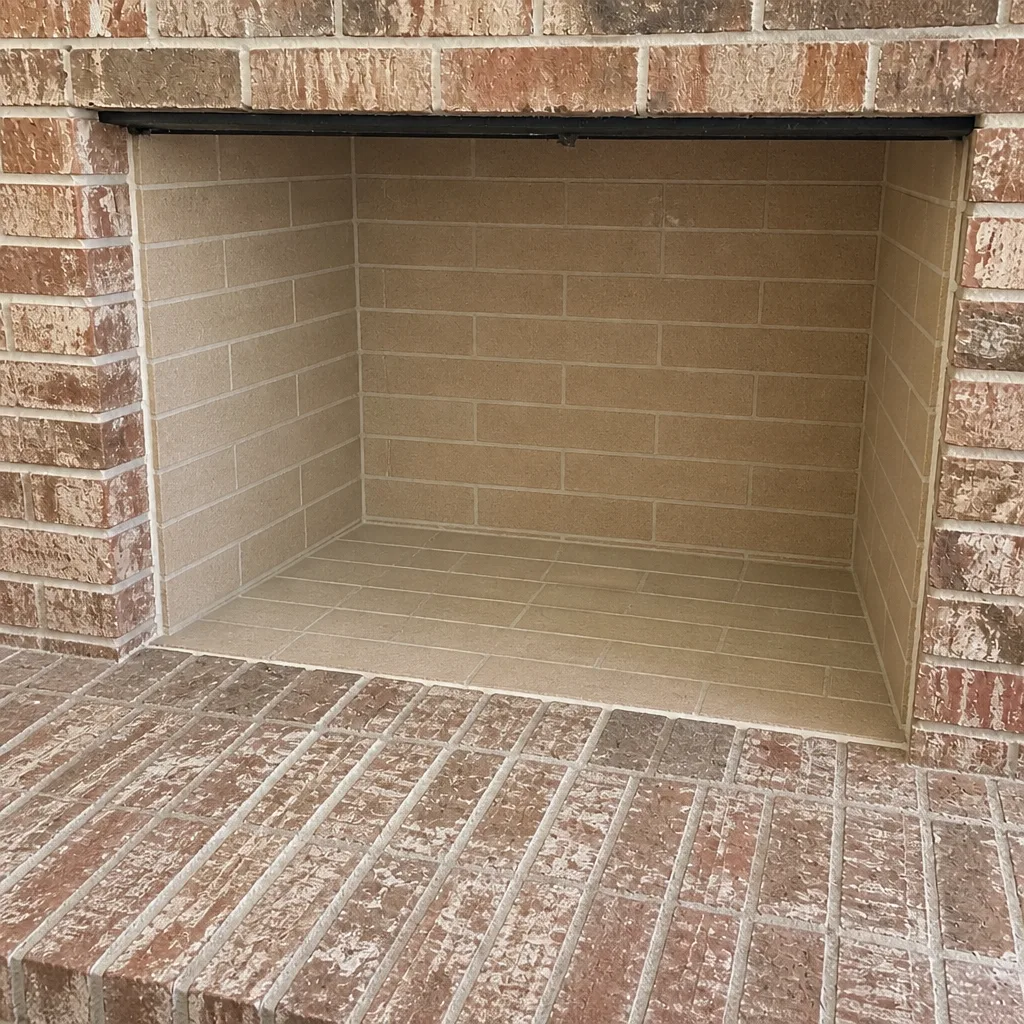
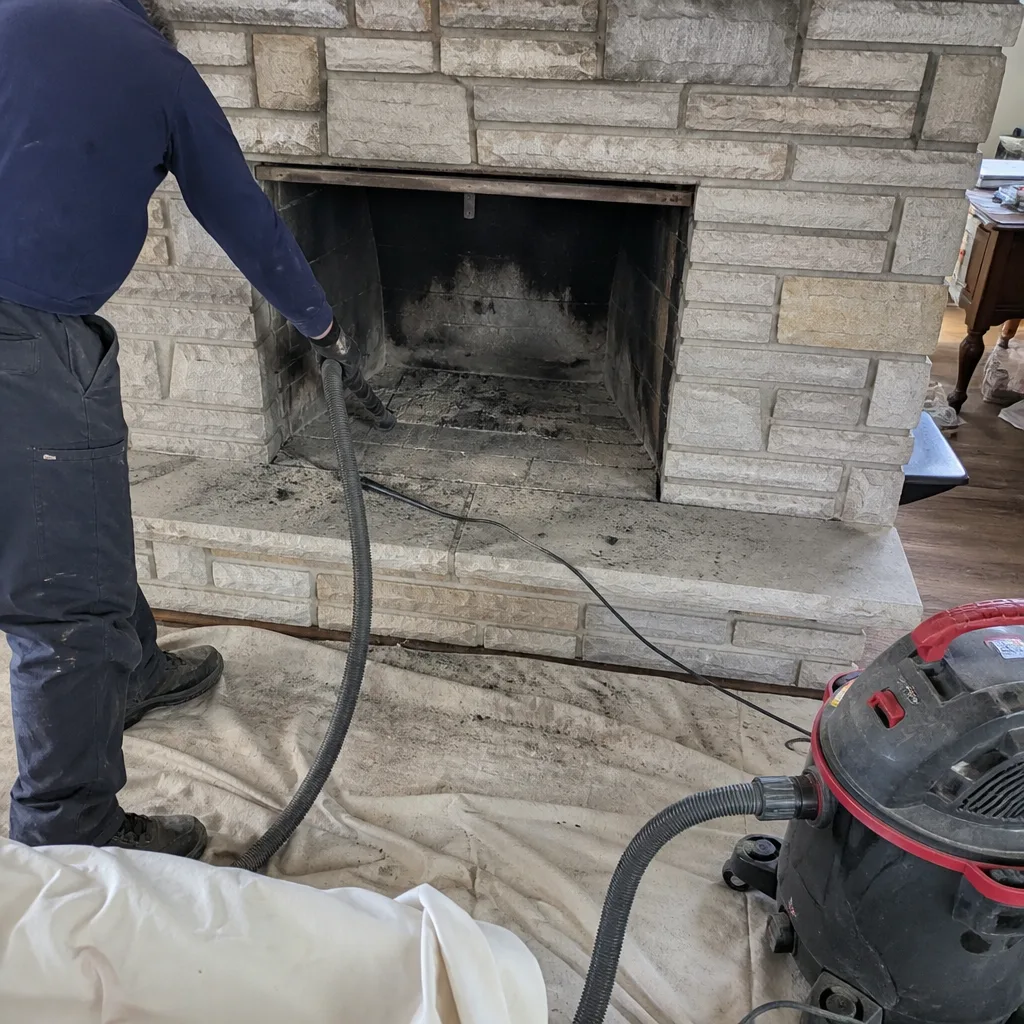
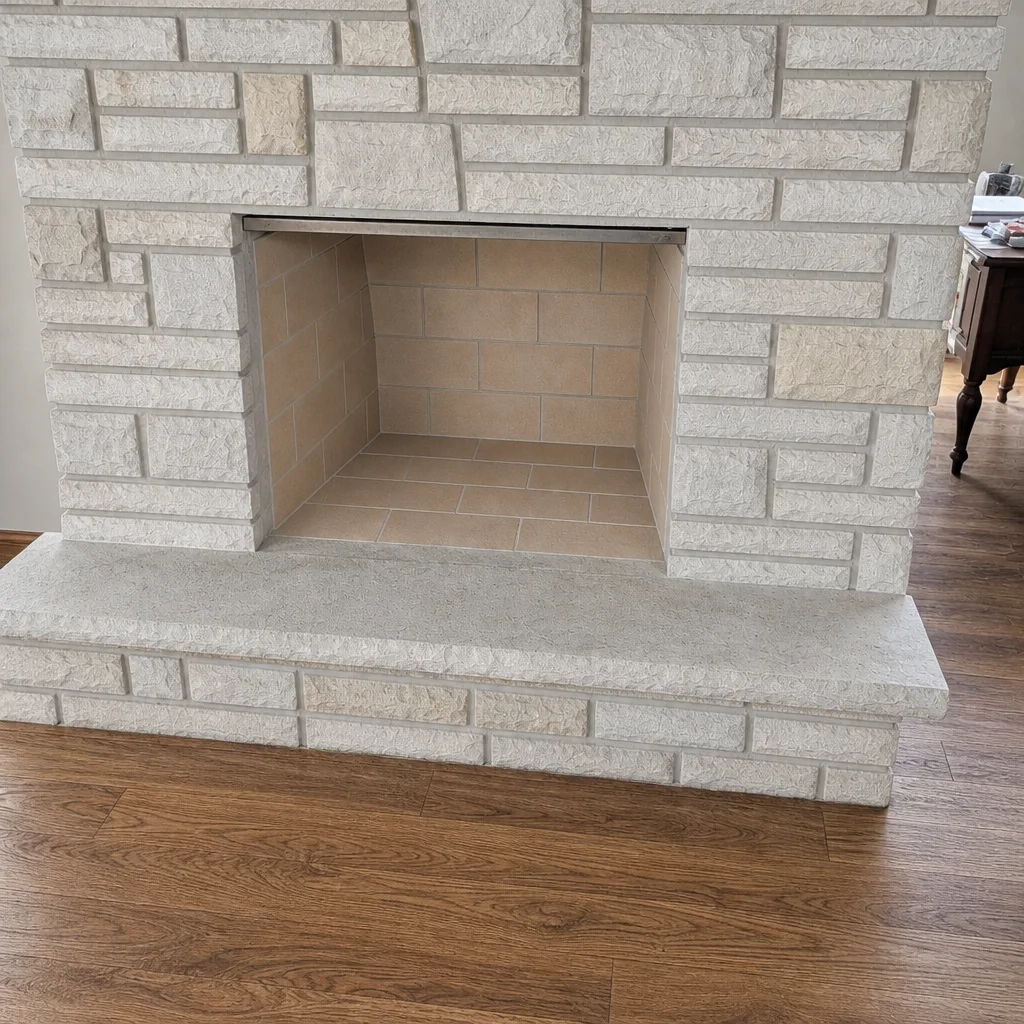
See the difference
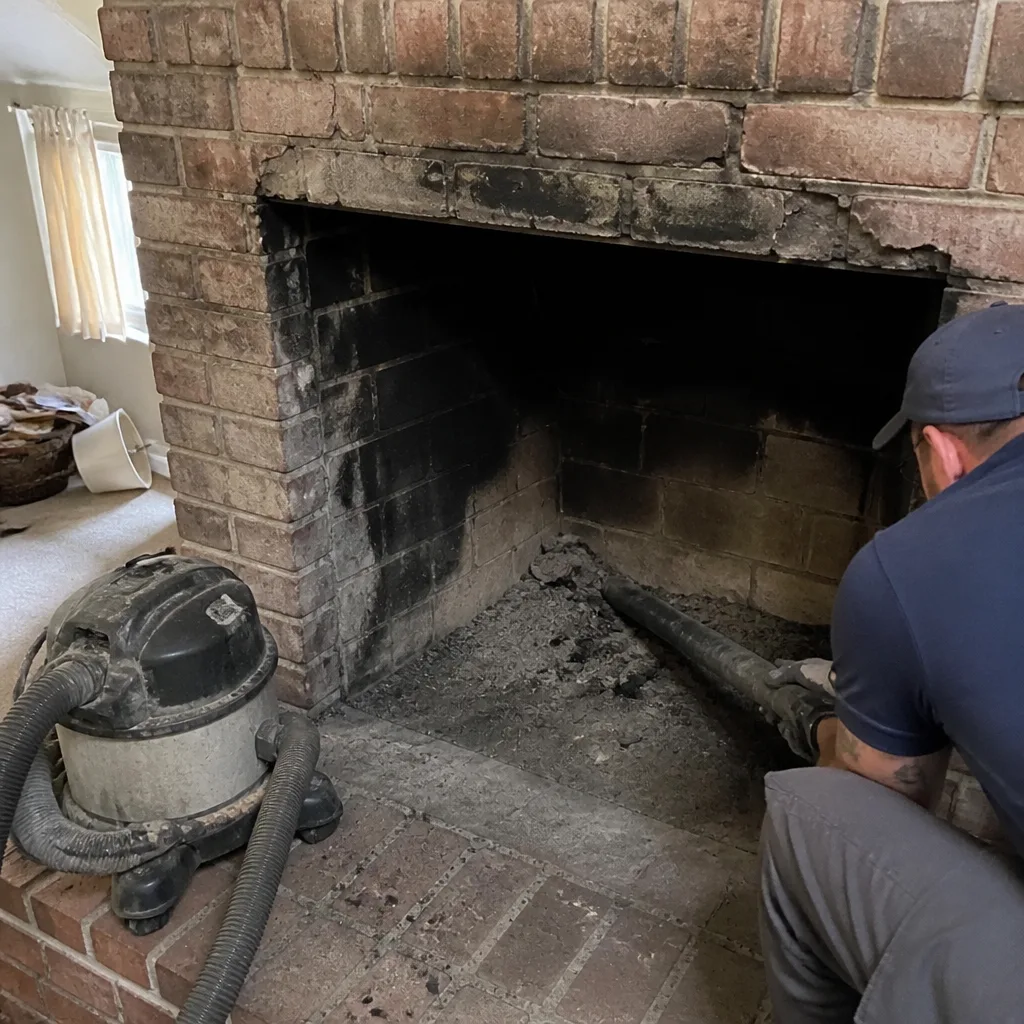 Before
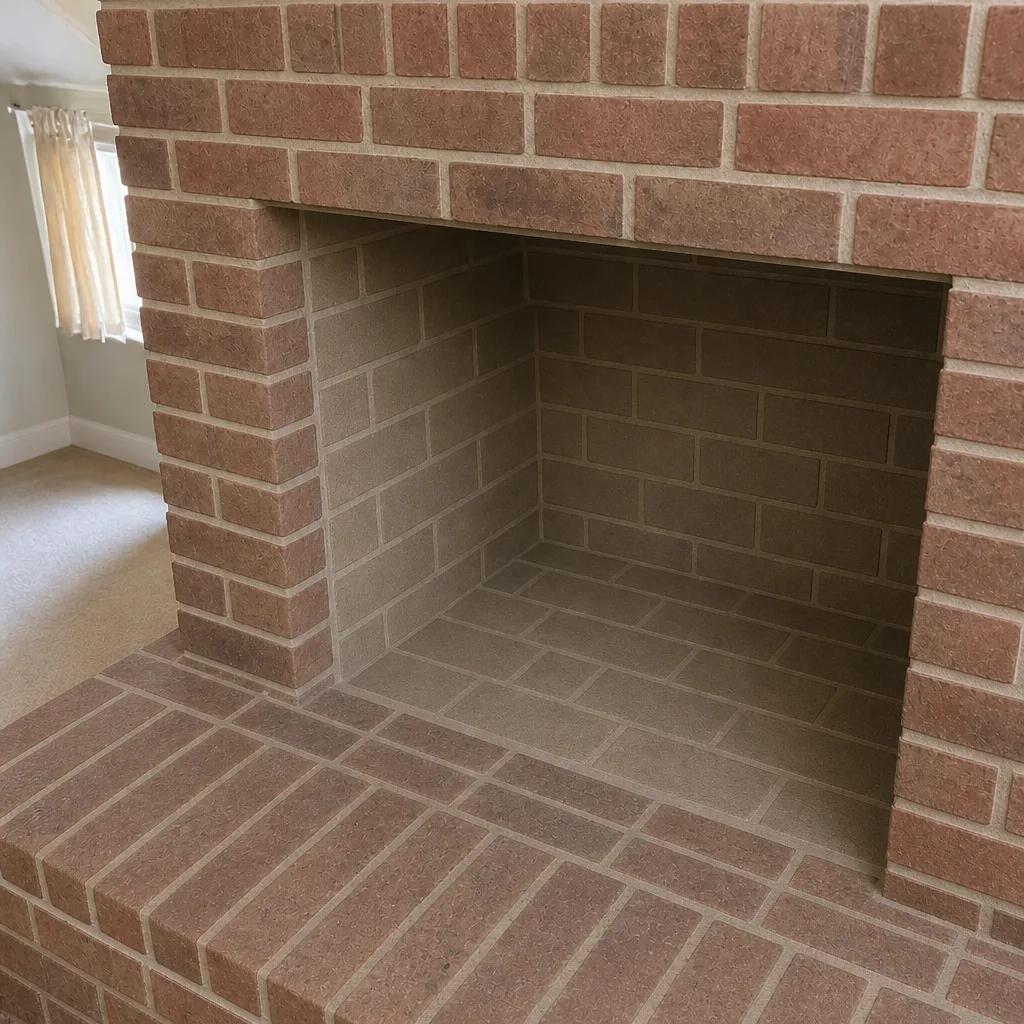 After
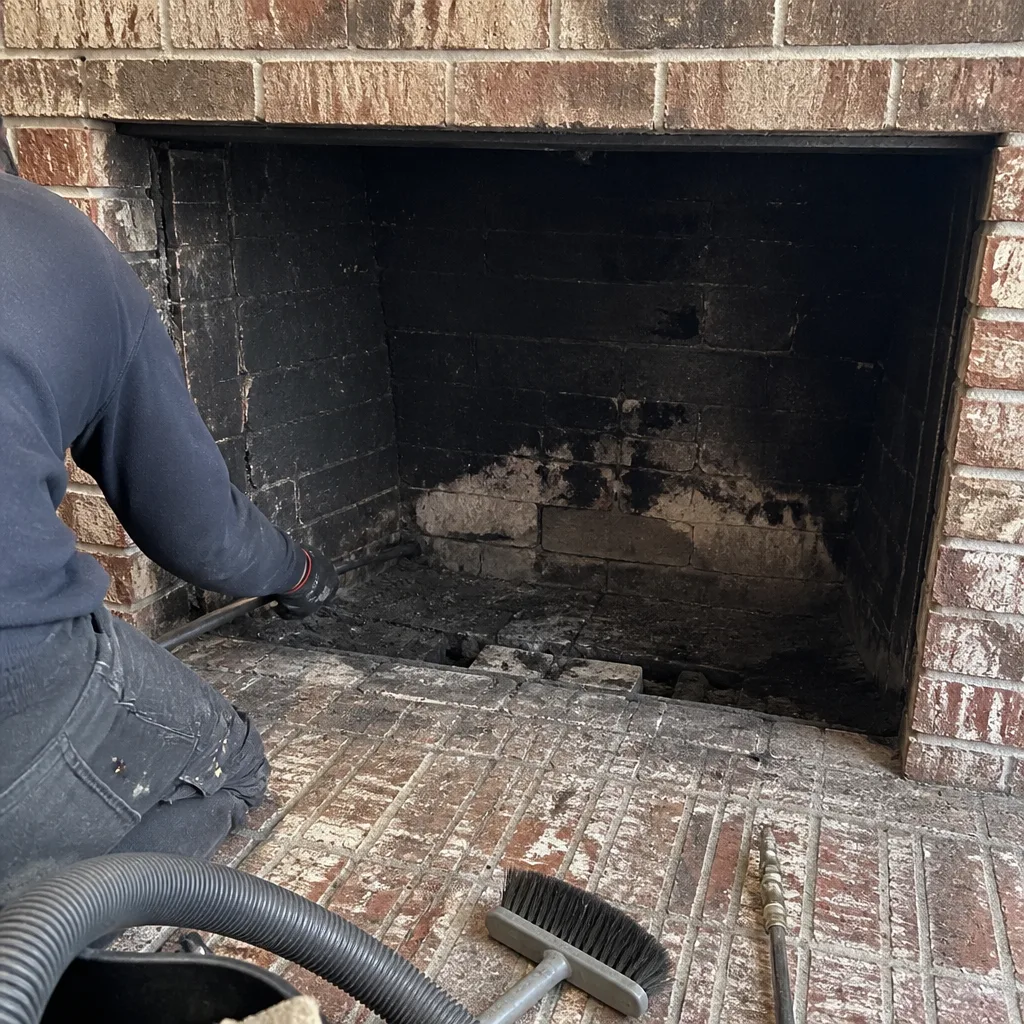 Before
 After
 Before
 After
When to Call a Professional
Call a professional when the chimney hasn’t been swept in a year or more and you’re planning to burn, when you’ve just bought a home with an unknown chimney history, or when a home inspector has flagged anything about the firebox, flue, crown, or cap. Call before you buy if there’s no permit history on the address. Call before the burning season if you’re in a West Valley City home and the fireplace is going to do real work this winter. And call if a contractor has told you the chimney needs thousands in repairs without showing you camera footage you can see and understand. West Valley City Chimney Sweep offers free estimates in West Valley City – call (877) 792-7416. We answer 24/7. Fast dispatch from 7am to 7pm, Sunday through Friday.
Frequently Asked Questions
A typical chimney sweep in West Valley City is estimated in the range homeowners pay for a standard wood-burning flue cleaning, and the written estimate sets the final price. The sweep itself doesn’t include a permit fee because it doesn’t need a permit. If you want the inspection documented alongside the sweep, that’s a separate, priced item. Call (877) 792-7416 for an exact quote – estimates are free.
Yes, in most cases. A full flue liner replacement is permitted construction in West Valley City and requires a municipal inspection before it’s closed out. A like-for-like cap swap or a routine sweep does not. If you’re unsure which category a quote falls into, ask the installer to confirm before scheduling, and confirm with the city building department directly.
The city inspector closes out the municipal permit. A chimney professional issues the Level 1, 2, or 3 inspection report that documents the condition and code compliance of the system. Both records matter, and neither replaces the other. A post-repair inspection without a permit close-out is incomplete, and a permit close-out without a photo-documented condition report leaves gaps for the next buyer.
Listed stainless steel liners, listed cast-in-place systems, and HeatShield resurfacing applied to a structurally sound flue where its listing permits it. The material itself is less decisive than the listing, the sizing, and the installation. An unlisted flexible liner, a universal product without published data, or resurfacing over a broken liner won’t satisfy the code, whatever the brand.
The work may be physically sound, but the missing inspection record becomes a material defect disclosure item if you sell. A buyer’s inspector, or a future insurance review, can flag unpermitted structural work on the chimney. The cost to solve it later is almost always higher than the permit would have been upfront, and the disclosure obligation follows you through the sale.
You need a new liner when the camera inspection shows a gap, a cracked flue, or a flue that fails to contain the products of combustion. If the footage shows a sound flue with localized wear, HeatShield resurfacing may restore it without a full relining. Nothing gets recommended without camera evidence you can see for yourself, and it’s fair to say plainly when work can safely wait. Call (877) 792-7416 for an exact quote – estimates are free.
The Bottom Line
Routine chimney cleaning in West Valley City doesn’t require a permit. Liner replacement, cast-in-place relining, HeatShield application that changes the flue’s dimensions, firebox relining, and structural chimney work above the roofline do. Utah’s code baseline comes from NFPA 211 and IRC Chapter 10, and West Valley City amendments shape how those are applied to your address. The permit history on your home is public, searchable, and the first thing to check before you buy a property with a fireplace. Whatever work you end up doing, get a written estimate, ask for the product listing, ask to see the camera footage, and document the city inspection. That record is what protects you at resale.
If you’d like a scope of what your chimney actually needs, call (877) 792-7416 for a free estimate. We answer 24/7. Fast dispatch from 7am to 7pm, Sunday through Friday.
Written by the team at West Valley City Chimney Sweep.