
Last updated November 25, 2026
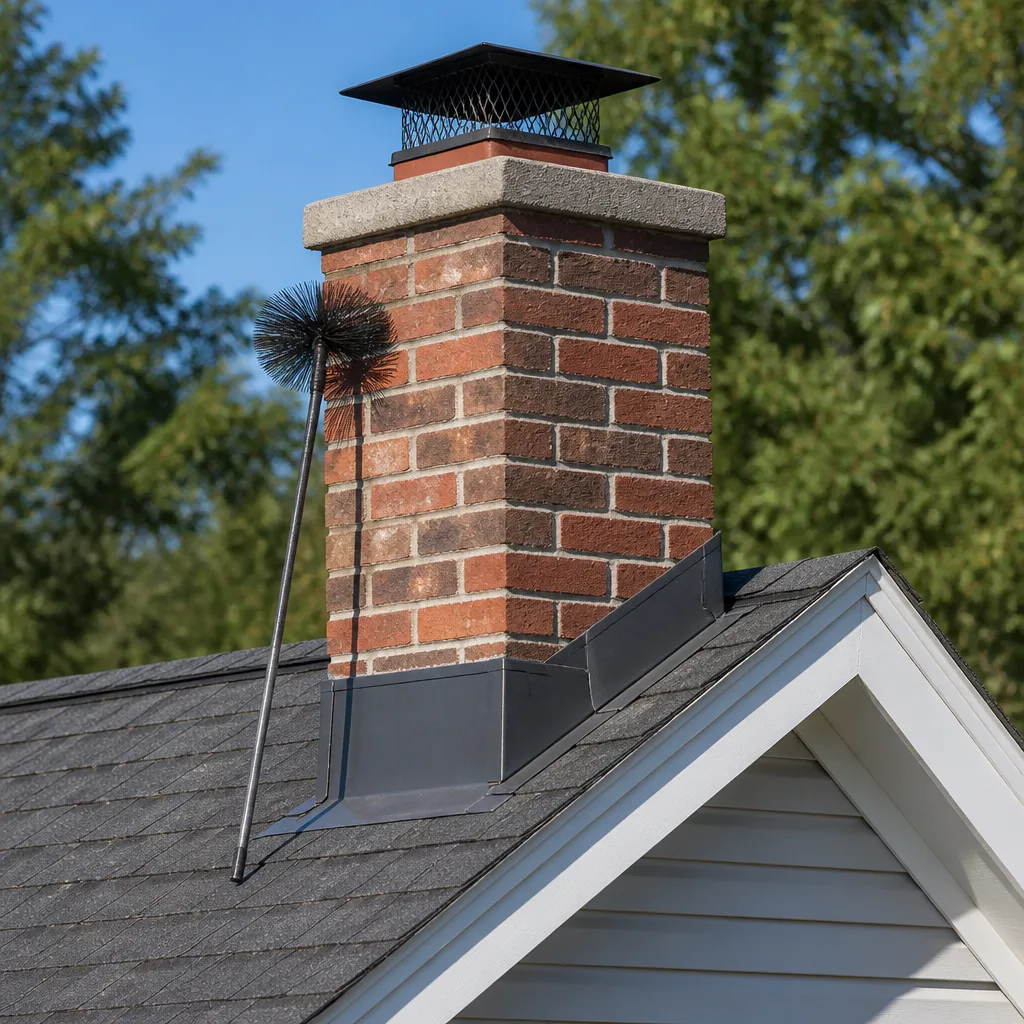 Sweep & inspection
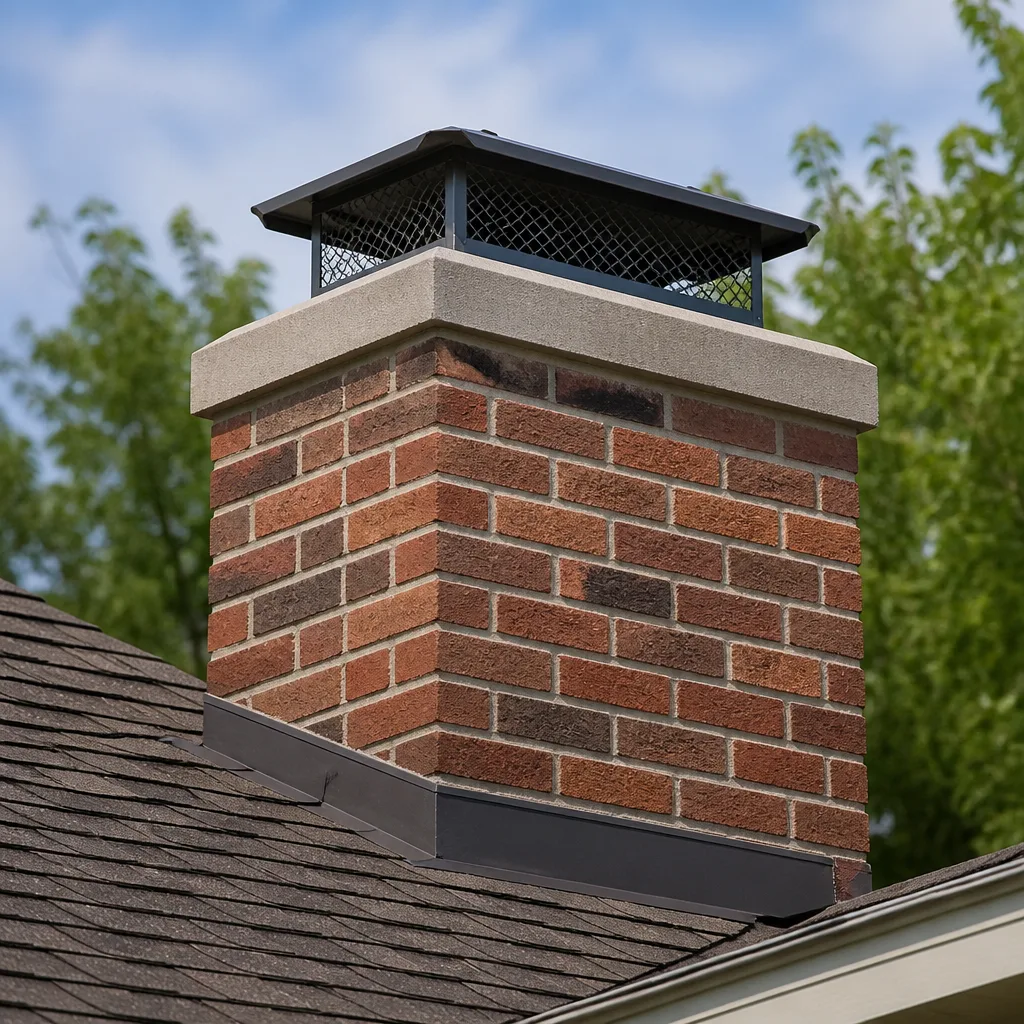 Caps & crowns
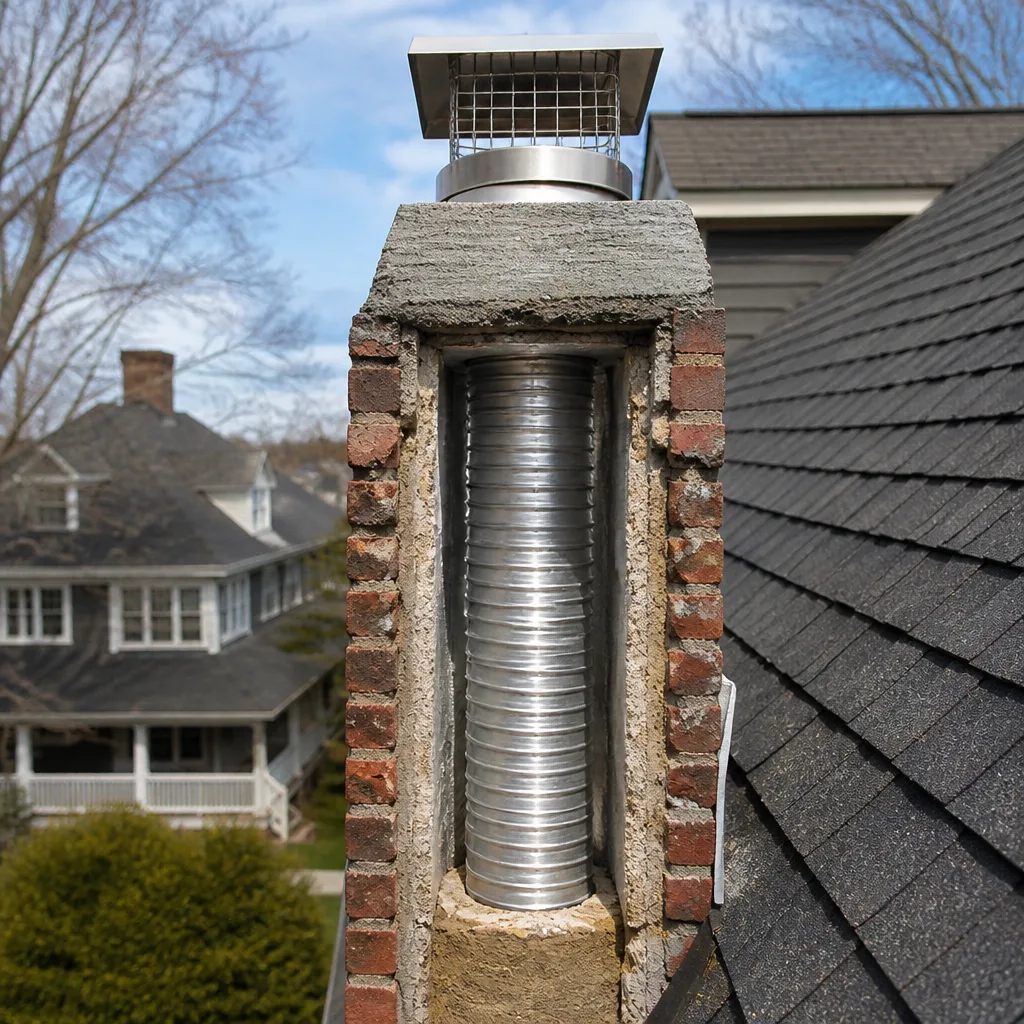 Flue relining
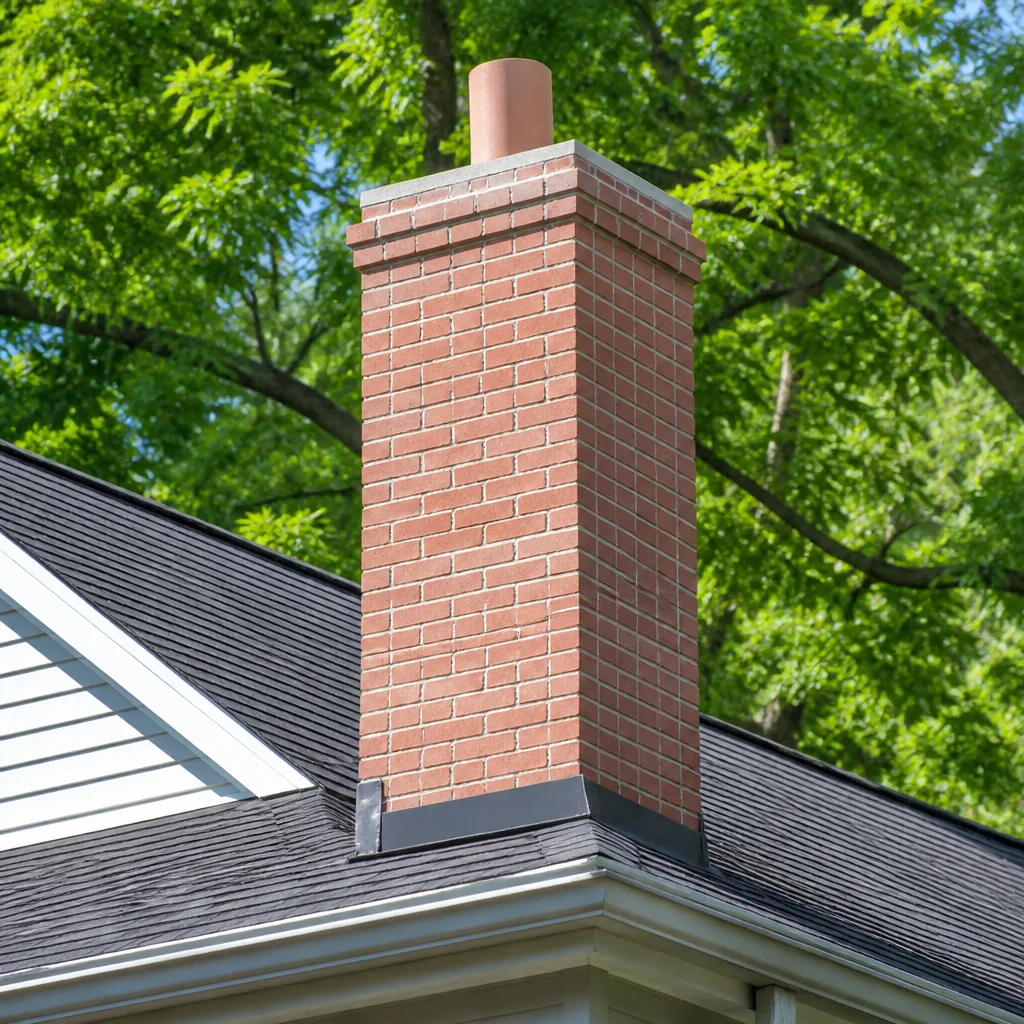 Masonry repair
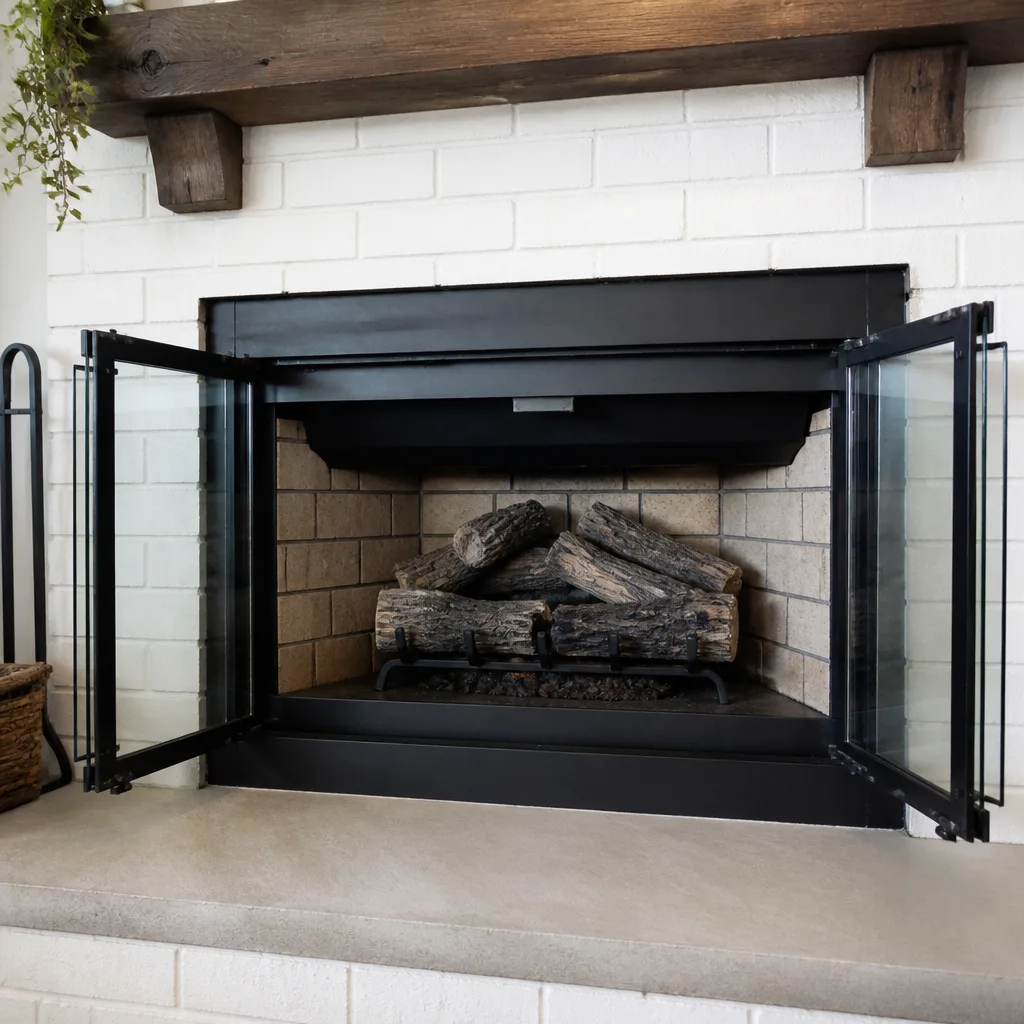 Gas fireplace service
Level 1 sweep and inspection to the NFPA 211 annual standard - flue, crown, cap, and flashing checked and photographed
Chimney sweep logs do not sweep chimneys. They loosen some creosote - which then falls where a brush and vacuum still have to collect it.
Chimney Cleaning Warning Signs: A West Valley City Homeowner’s Reference Guide
Most chimney warning sign guides point you toward the obvious: smoke rolling into the room, a roaring flue fire, chunks of creosote on the hearth. By the time those appear, the problem has been building for months. The signals that actually matter are quieter. Stage 1 glazed creosote doesn’t smell, doesn’t smoke up the room, and passes a casual visual glance. It only shows up under a flashlight as a thin, shiny black coating on the flue wall, and it’s the stage where a standard sweep can still remove it. Wait, and the chemistry changes. This guide walks through the low-visibility clues West Valley City homeowners can learn to spot, from creosote staging to efflorescence to the specific sounds a chimney makes as it cools.
Quick Answer
The chimney warning signs worth acting on are changes you can see or hear before a hazard develops: shiny black creosote in the flue, white powdering on exterior brick, soot stains near the firebox, a puffback during lighting, popping or ticking during cooldown, and a pale haze on the firebox floor after a fire. Any of these means it’s time for a professional inspection and sweep. In West Valley City’s dry, cold-winter climate, creosote accumulates in a narrow burning window between fall and spring, so catching signals early in the season matters more than most homeowners realize.
Styles & brands we work with
- Sweep & inspection
- Caps & crowns
- Flue relining
- Masonry repair
- Gas fireplace service
Table of Contents
- The Three Creosote Stages: What Each One Looks and Smells Like
- Efflorescence on Exterior Brick vs. Normal Weathering
- Puffbacks and Negative-Pressure Smoke Events
- The Sounds Your Chimney Makes and What Each One Means
- The White Haze on the Firebox Floor
- A Seasonal Calendar for West Valley City Burning
- What a Proper Inspection Actually Covers
- What You Can Check Yourself vs. What Needs a Pro
The Three Creosote Stages: What Each One Looks and Smells Like
Creosote is the byproduct of incomplete combustion, and it doesn’t arrive as a single substance. It builds in three distinct stages, each with its own appearance, smell, and removal method. Knowing which stage you’re looking at tells you whether a routine chimney sweep will do the job or whether you’re facing a chemical-treatment project.
Stage 1: Sooty, Flaky Creosote
Stage 1 is a thin, dusty layer that looks like soot or a light charcoal smudge. It flakes off when you brush it and has a faint smoky smell, nothing more. This is the stage most chimneys sit in after a normal burning season in West Valley City, and it comes off cleanly with a standard rotary brush.
Stage 2: Glazed, Hard Creosote
Stage 2 is where the color shifts to a hard, shiny black coating that clings to the flue wall. It’s dense enough that a brush skips over it rather than scraping it away. It has a sharper, acrid smell that lingers in a firebox even when no fire is burning. Stage 2 is a chemical-treatment job, not a standard sweep. The flue needs a creosote solvent applied and given time to soften the deposit before it can be mechanically removed. This is the stage where many homeowners get surprised, because nothing looks wrong from the hearth, but the interior of the flue is coated enough to raise the risk of a flue fire.
Stage 3: Puffy, Oil-Soaked Creosote
Stage 3 is the most dangerous form. It looks like a puffy, tar-like growth, sometimes dripping or glistening, and it has a heavy, oily smell. Stage 3 is highly combustible and often requires more than a sweep or a chemical pass. Some cases require partial relining or full liner replacement, which is where we might reach for a product like HeatShield liner resurfacing if the flue is compromised but salvageable without a full tear-out.
In our experience, most West Valley City homes land somewhere between late Stage 1 and early Stage 2 by the end of a hard burn season, which is why a fall sweep before the first cold snap is the simplest way to catch the problem before it climbs.
Efflorescence on Exterior Brick vs. Normal Weathering
Walk outside this week and look at the chimney stack from ground level, ideally after a rain. White, chalky deposits on the brick are called efflorescence, and it’s one of the most reliable signals of moisture moving through the chimney structure.
Efflorescence forms when water enters the masonry, dissolves minerals in the brick and mortar, and then evaporates on the surface, leaving the salts behind. It has a powdery, crystalline look and often appears in a wavy pattern near the crown, mid-stack, or just above the roofline. Wipe a small patch with a dry cloth and it will powder away easily; that’s the giveaway.
How to Read It
- Light, even film on one side after a storm: likely temporary, watch it for a season.
- Heavy white bloom that returns after each rain: moisture is getting in, usually at the crown, cap, or flashing.
- White bloom with dark streaks or spalling brick: the masonry itself is breaking down and needs repair, not just resealing.
- Efflorescence lower on the stack than the roofline: often a sign of a failed crown or a gap where the cap should be seated.
Efflorescence is different from normal weathering. Weathered brick just looks faded and slightly rough. Efflorescence adds *new* material to the surface, which means water is actively migrating through the chimney. Left alone in West Valley City’s freeze-thaw winters, that moisture expands inside the brick, cracks mortar joints, and turns a small crown repair into structural masonry work. A properly installed chimney cap & crown goes a long way toward keeping water out at the top, where most of it enters.
Puffbacks and Negative-Pressure Smoke Events
A puffback is a small, sudden release of smoke and pressure from the firebox, usually during lighting or in the first few minutes after you add wood. Most homeowners write it off as “the chimney warming up.” Sometimes that’s all it is. Other times, it’s the chimney telling you the pressure balance in the house has shifted, and that’s a structural and safety issue, not just a drafting nuisance.
Simple Drafting Problems vs. Structural Signals
A drafting problem happens when the flue is cold, the firebox is oversized for the flue, or outside temperatures haven’t yet pulled the smoke upward. It tends to happen on the first fire of the season and resolves once the flue warms.
Structural signals of a real puffback problem include:
- Puffbacks happening on warm days or during shoulder-season burns, not just cold starts
- Smoke pushing out of the firebox even with the damper fully open and a hot fire going
- Smoke stains forming on the fireplace face or the wall above the mantel
- A whistling or sucking sound near the fireplace when other exhaust fans (bathroom, kitchen, dryer) turn on
- Smoke appearing in rooms on the second floor
Why It Matters in West Valley City
Modern West Valley City homes are built tight, and tight homes pull against the chimney. A negative-pressure event that repeats is often a sign that the flue is undersized, partially blocked, or drawing against the house’s pressure envelope. In rarer cases, it points to a crack in the flue liner, which can let exhaust gases leak into the wall cavity before they reach the top. If a puffback happens twice in the same week, get it inspected.
The Sounds Your Chimney Makes and What Each One Means
Sounds are one of the earliest signals available to a homeowner, and one of the most ignored. Each sound maps to a specific type of condition, so it pays to listen.
Popping During or Just After a Fire
Sharp popping inside the firebox during a burn or in the minutes after the fire dies down is usually creosote igniting in the flue. Small pops can also come from damp wood exploding at the ends, but creosote popping tends to happen *after* the fire is dying, when cooling creosote flakes crack free. Either way, if you hear it more than once, get a sweep scheduled.
Ticking During Cooldown
A steady metallic ticking for 20 minutes after the fire is out is usually normal thermal contraction: the metal components in a damper, firebox liner, or stovepipe shrinking as they cool. What changes the meaning is timing. Ticking that *continues* hours later, or that happens when no fire was recently going, can indicate a hinge, damper, or gas valve that needs attention.
Scratching or Scuttling in the Flue
Animal activity inside the flue has a distinct sound: light scratching, small scuttling, or a chirping from above the damper. Birds, squirrels, and raccoons get into uncapped flues regularly, especially in neighborhoods near West Valley City’s open land, and their nesting material is a blockage and fire hazard. If you hear it, don’t light a fire. Call for a sweep and an inspection; the flue needs to be cleared and the cap replaced with something like a Gelco or Famco cap designed to keep animals out.
The White Haze on the Firebox Floor
After a fire burns down, some homeowners notice a pale, chalky haze or fine white powder on the firebox floor and the inside of the firebox walls. It looks cosmetic. It isn’t.
That haze is usually one of two things: ash from incomplete combustion, or a fine deposit from burning wood that never reached full burn temperature. Both point to the same underlying signal: the fire isn’t burning as efficiently as it should. Wood that burns hot and clean leaves mostly a light, powdery ash. A haze or soot film suggests the fire is smoldering rather than burning, which typically means one of a few things:
- The wood is too wet, usually above the moisture level where clean combustion happens
- The flue doesn’t have enough draft to pull air through the fire
- The firebox is oversized for the flue, so the fire can’t get enough air to burn hot
- The damper isn’t opening fully, or the cap on top is partially blocked
Efficiency isn’t just about saving wood. A fire that smolders produces more creosote, which feeds back into Stage 1 and Stage 2 buildup. A white haze after a fire is worth investigating before the next burning season, and it’s often resolved by a proper sweep plus a conversation about wood and draft.
A Seasonal Calendar for West Valley City Burning
West Valley City’s climate runs dry with cold, sharp winters, which concentrates most fireplace use into a four-to-five-month window. That shapes the way warning signs appear through the year.
- Early fall: the best window for a pre-season sweep. Creosote from last winter is cemented in place and easier to assess without new buildup on top of it.
- Late fall: check exterior brick for efflorescence and the crown for cracks before the first hard freeze; moisture that gets into the masonry in November expands through the winter.
- Midwinter: listen for popping and pay attention to puffbacks; the coldest weeks are when the fire runs hardest and creosote builds fastest.
- Late winter to early spring: the highest-risk window for Stage 2 buildup, because the firebox has been running hot every evening for months.
- Spring: inspect the firebox floor and flue once the fire has been out for a couple of weeks; that’s when a white haze or fresh soot is easiest to spot without a fire running.
- Summer: the best month for repairs and liner work. Scheduling fireplace repair in summer avoids losing fireplace nights in the fall and gives liner work time to cure before the first burn.
What a Proper Inspection Actually Covers
An inspection isn’t a sweep with a report taped to it. A real inspection looks at the entire flue system and documents what it finds so the homeowner can see what the inspector sees.
- Exterior check: crown, cap, spark arrestor, flashing, mortar joints, and efflorescence on the brick
- Firebox and damper: firebox walls, damper operation, grate condition, and any cracking or spalling
- Flue interior: a camera run down the flue to check the liner, the creosote stage, and any blockages such as nests or soot accumulation
- Appliance and venting: how the fireplace, insert, or stove connects to the flue, and whether any gaps allow smoke to escape
- Draft test: whether smoke actually moves up the flue the way it should, especially in tight modern homes
- Report: photos and written notes so nothing is taken on faith
At West Valley City Chimney Sweep, we offer inspection as a standalone service, which means you can book one without a sweep or a repair attached. That matters for homeowners buying or selling a property, documenting condition for an insurer, or simply verifying safety after a season. You should never be upsold into a repair you didn’t ask about without seeing the evidence on camera first.
What You Can Check Yourself vs. What Needs a Pro
Some warning signs are safe to look for. Others involve elements that can seriously injure you, and no one should be up on a roof or inside a flue without the right training.
Safe to Check
- White haze or soot inside the firebox (visual only, no tools)
- Efflorescence on exterior brick from ground level
- Damper operation from inside the firebox
- Sounds during and after a fire
- Smoke staining on the fireplace face
- Whether the cap is intact when viewed with binoculars from the yard
Leave to a Professional
- Anything inside the flue, including running a camera or brush
- Any work on the roof or near the chimney top
- Liner inspection, especially on high-efficiency or gas appliances where the liner is critical to safety
- Removing creosote above Stage 1, which requires the right solvents and time
- Gas line work if you have a gas fireplace or insert
Roof access is one of the most common injury points in chimney work, and high-efficiency appliances route carbon monoxide up the flue where a compromised liner can push it into the home. These aren’t jobs to test drive from a YouTube tutorial. If a warning sign points inside the flue, call us.
Common Mistakes to Avoid
- Mistaking Stage 2 for Stage 1. A shiny black coating isn’t soot. If a brush skips over it in a single pass and the deposit looks hard and glossy, it’s glazed creosote and needs chemical treatment, not just a stronger brush.
- Sealing exterior brick without finding the leak. Painting over efflorescence stops the visual sign but traps the moisture inside, and in West Valley City’s freeze-thaw winters, that trapped moisture is what cracks the brick apart. Find the source first.
- Burning wet wood to save money. Wood that hasn’t dried properly smolders more than it burns, producing more creosote and less heat. The savings on cheaper wood rarely offset the cost of a Stage 2 treatment.
- Assuming a warm fire means a clean flue. A hot fire burning efficiently today can sit on top of a flue coating that built up last winter. Warm rooms don’t tell you what’s inside the liner.
- Skipping the inspection after a puffback. Two puffbacks in a few weeks isn’t a drafting quirk; it’s worth a professional look at the flue and the pressure balance in the home.
- Ignoring animal sounds in the flue. Nesting material blocks the draft and burns. Don’t light a fire until the flue is cleared and the cap is replaced with something like an Olympia Chimney or Gelco product designed for that job.
- Waiting for a visible fire hazard before calling anyone. The most expensive chimney repairs start with a sign that was visible a year earlier and easy to miss.
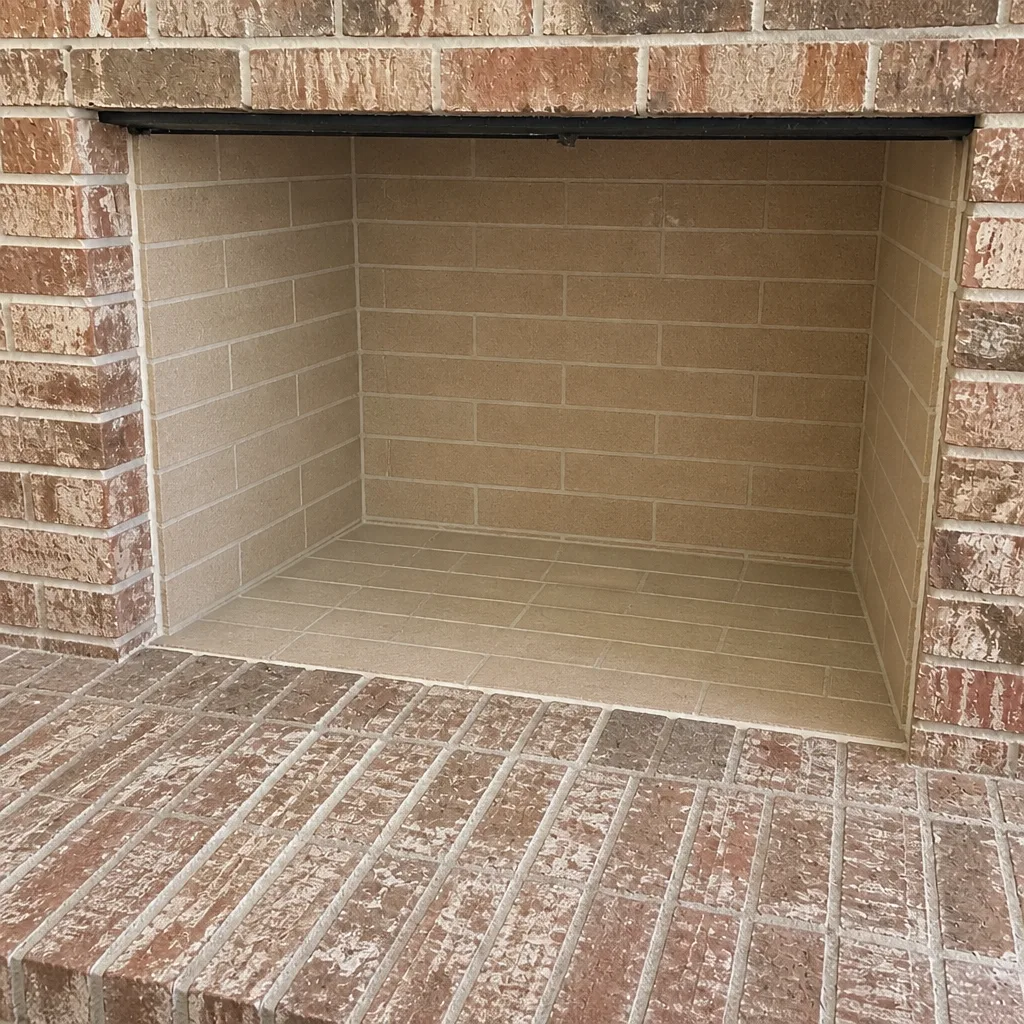
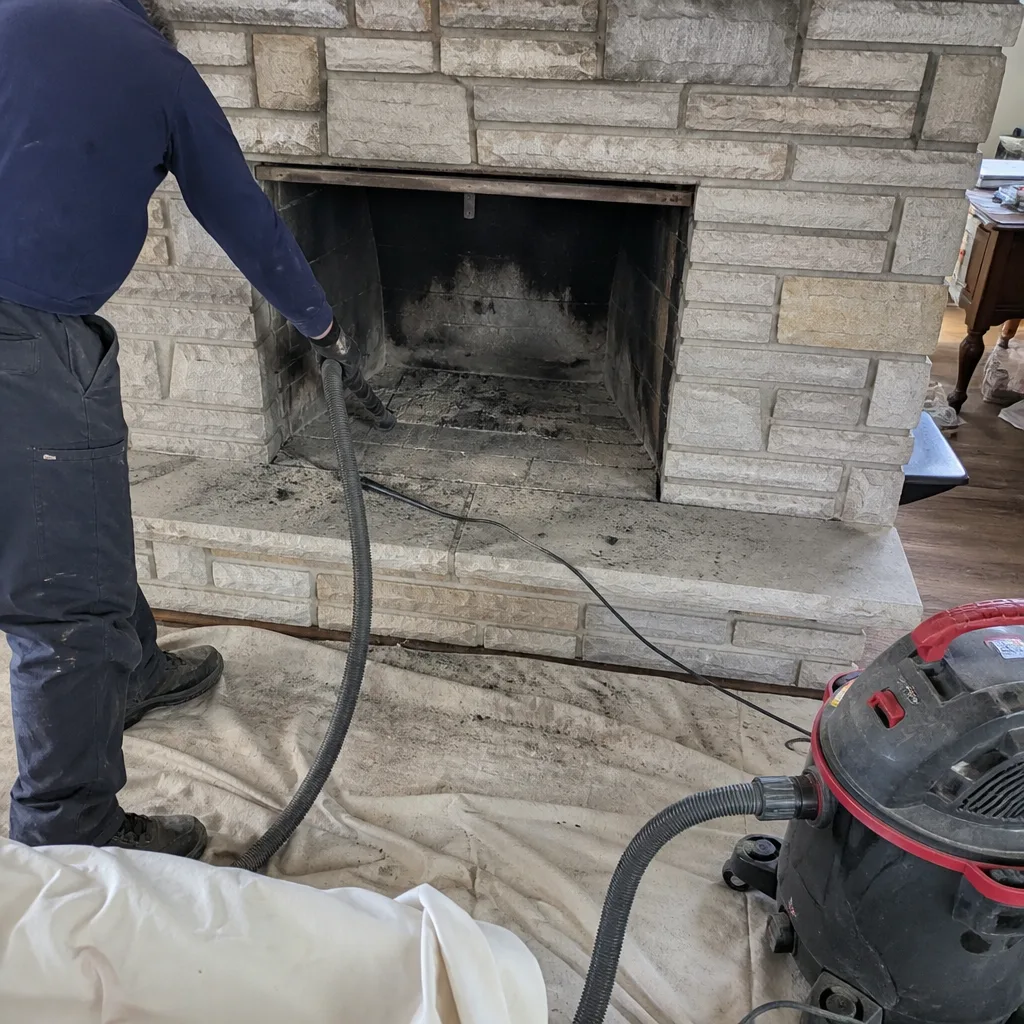
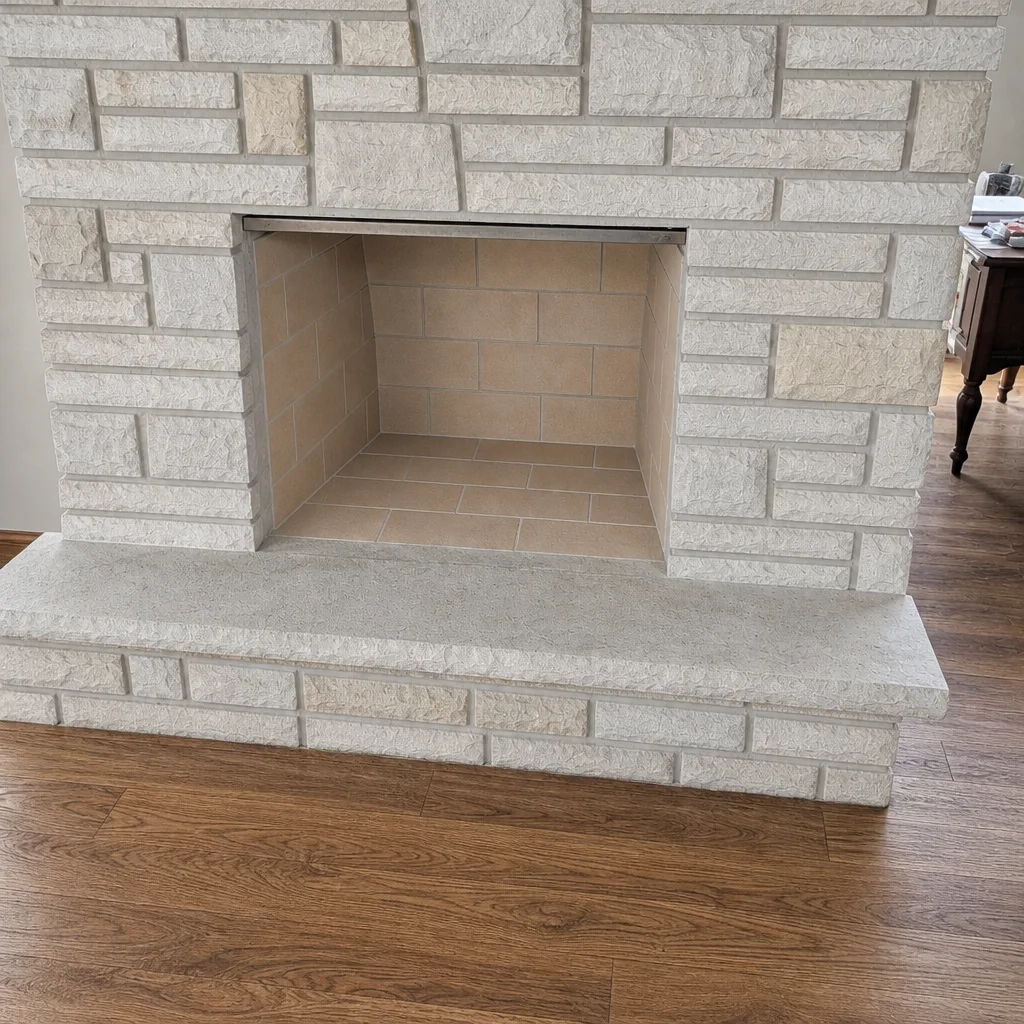
See the difference
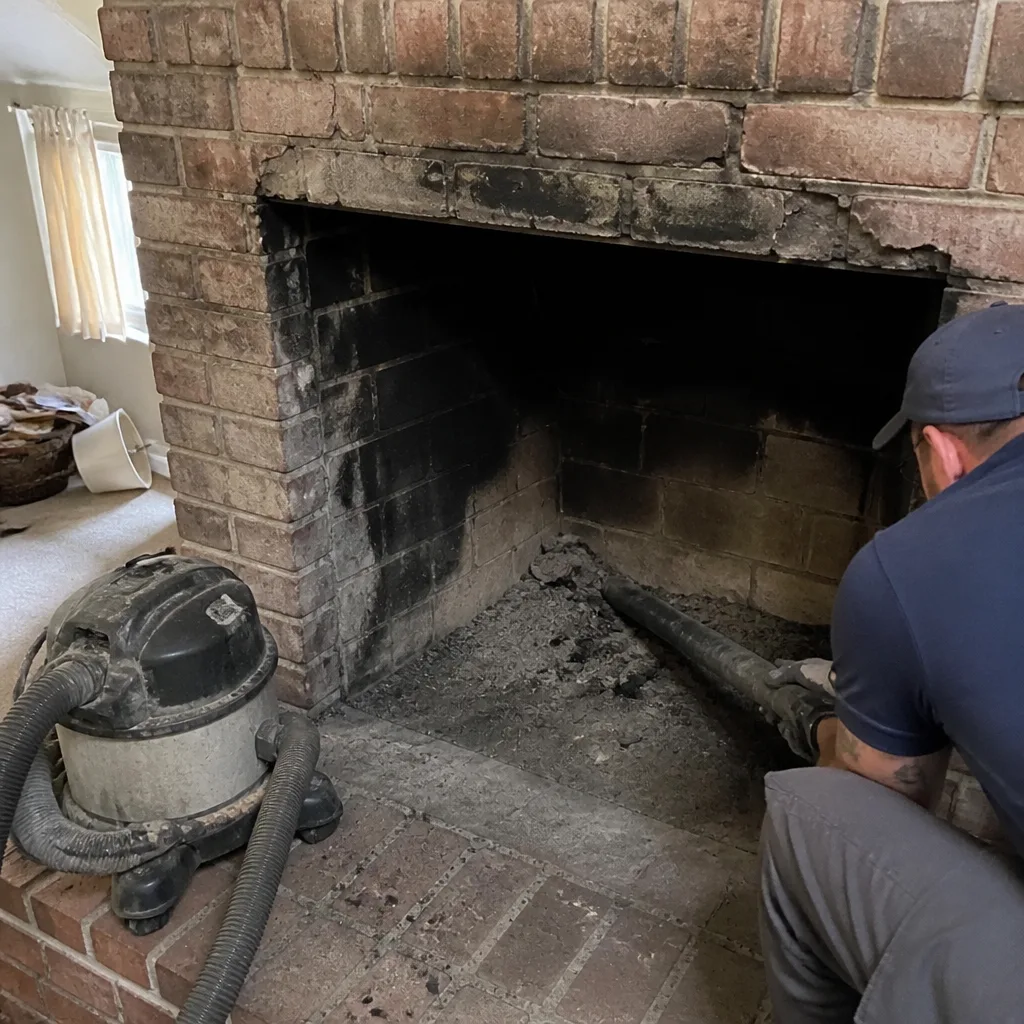 Before
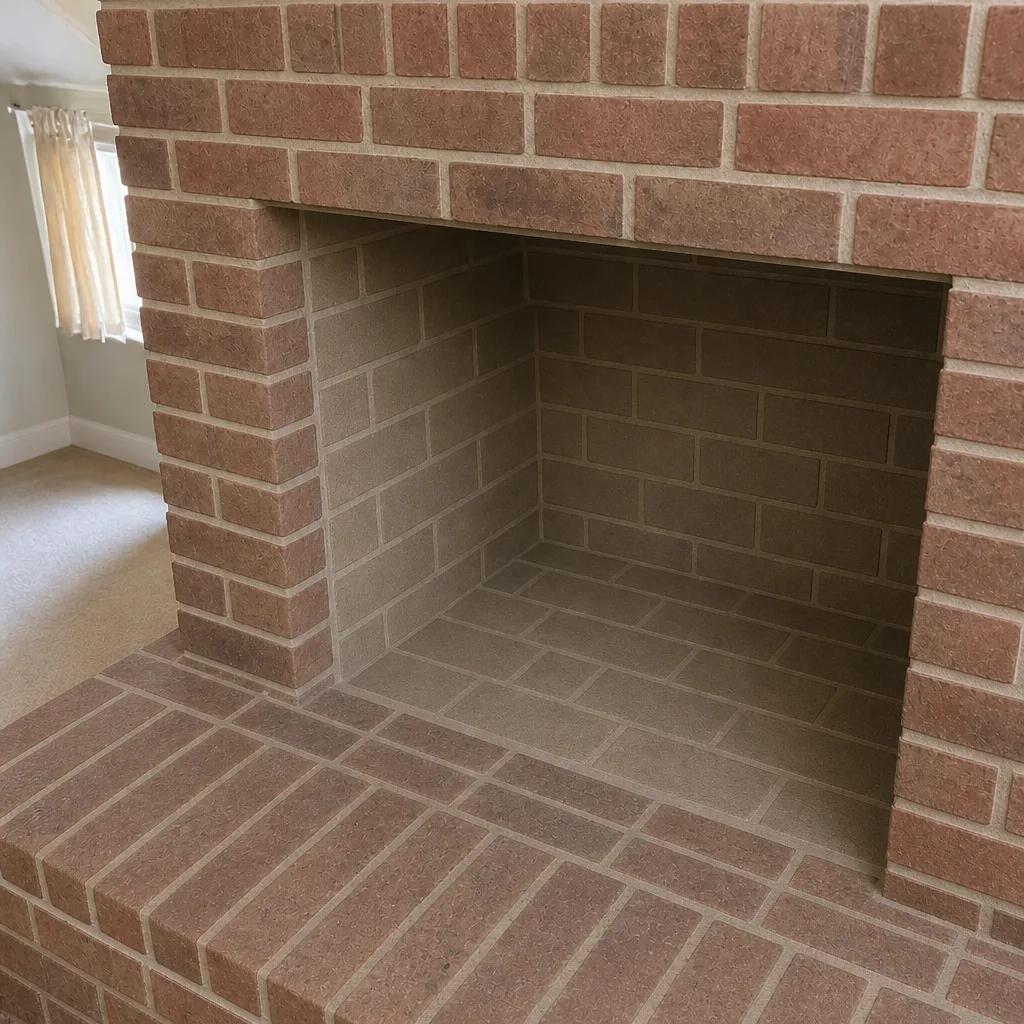 After
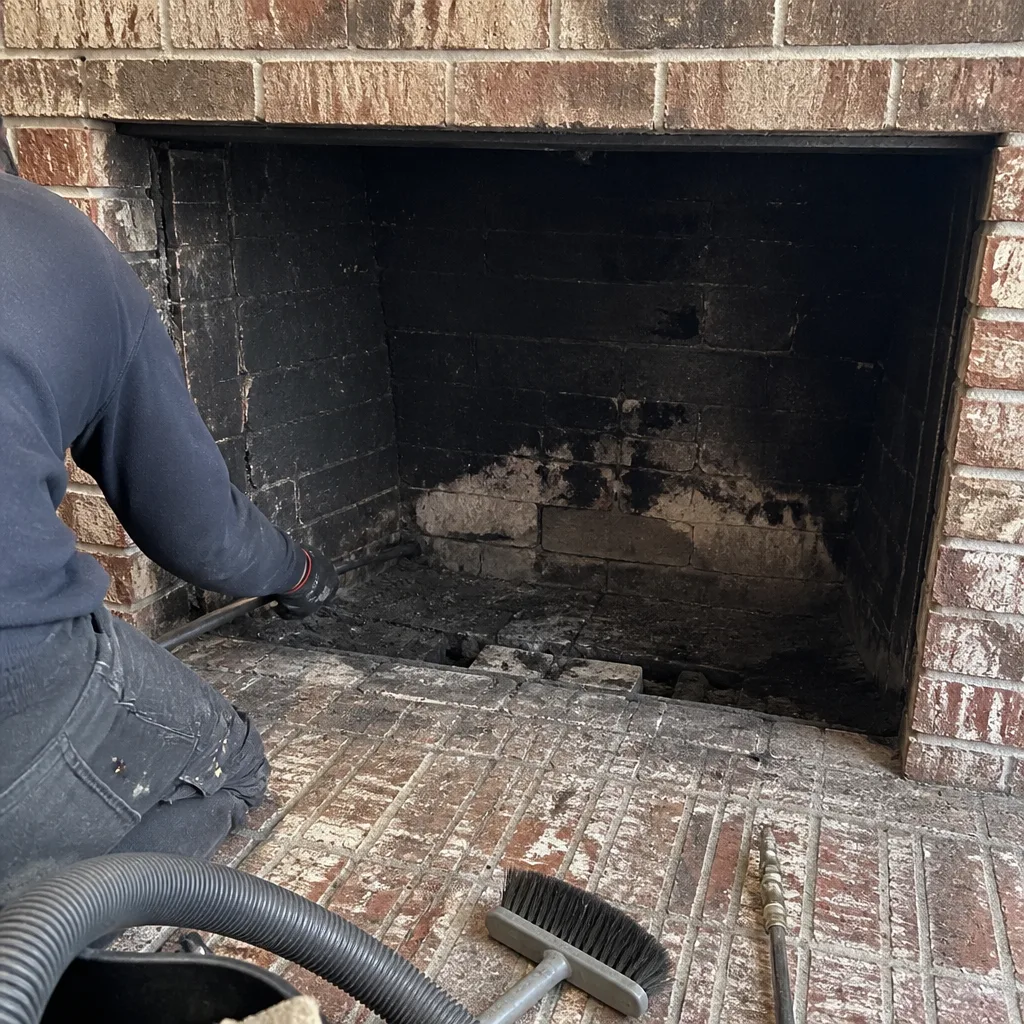 Before
 After
 Before
 After
When to Call a Professional
Call for a professional inspection when any of the following is true: you’ve spotted a shiny black coating in the flue, white efflorescence on the exterior brick, a persistent puffback, a white haze on the firebox floor after a fire, animal noise inside the chimney, or soot stains on the fireplace face. Also call if the fireplace hasn’t been serviced in over a year, you’ve just moved into a home with unknown chimney history, or you’re buying or selling a property and need condition documented. West Valley City Chimney Sweep offers free estimates in West Valley City. Call (877) 792-7416. We answer 24/7. Fast dispatch from 7am to 7pm, Sunday through Friday. A typical visit includes a camera inspection with a photo report, a written estimate if work is recommended, and a clear statement about what can safely wait. Our technicians have up to 15 years of experience, and we work with professional-grade products like HeatShield, Gelco, Olympia Chimney, and Famco.
Frequently Asked Questions
Most wood-burning fireplaces in West Valley City need a sweep once a year, ideally before the first cold snap in fall. Homes that burn daily through the winter, use unseasoned wood, or have had a Stage 2 creosote finding in the past should be checked more often. Call (877) 792-7416 for an exact quote: the estimate is free.
A standard sweep is priced per job by the written estimate, and the estimate is free. Pricing depends on the creosote stage found, how many flues are involved, and whether a camera inspection is included. Call (877) 792-7416 for an exact quote.
Yes. Stage 1 soot brushes off cleanly; Stage 2 glazed creosote is hard, shiny, and resists a standard brush, which makes it a chemical-treatment job. Stage 3 is a puffier, oil-soaked form that can require relining or a HeatShield liner resurfacing. Getting it caught at Stage 1 or early Stage 2 is the difference between a sweep and a bigger repair. Call (877) 792-7416 to schedule.
It’s called efflorescence, and it means moisture is moving through the brick and depositing salts on the surface. A flash of white after a rain is an early signal of a crown, cap, or flashing failure that’s letting water in. Call (877) 792-7416 for an inspection before the freeze sets in.
A cap alone won’t fix interior moisture problems if the crown or flashing is already failing, and the wrong cap can worsen draft or trap moisture. Caps installed by us come from trade-supply brands like Gelco, Olympia Chimney, and Famco that fit the flue and are sized for the chimney. Call (877) 792-7416 for a cap and crown assessment.
That haze usually means the fire is smoldering rather than burning hot, whether from wet wood, a partially blocked cap, or a firebox that’s oversized for the flue. Left unaddressed, it builds creosote faster. Call (877) 792-7416 for a combustion check and a clean-burn conversation.
The Bottom Line
The warning signs that matter most in a chimney are the ones you can spot before anything dramatic happens. Shiny black creosote, white efflorescence on exterior brick, a puffback that repeats, popping during cooldown, animal sounds in the flue, and a white haze on the firebox floor each point to a specific condition, and each has a fix that’s cheaper and simpler the earlier it’s caught. West Valley City’s dry, cold winters compress the burning season, so a fall sweep and a real inspection cover most of the ground. When you’re ready, West Valley City Chimney Sweep is here: a chimney specialist, not a generalist, working with the professional-grade brands the trade relies on. For a free estimate, call (877) 792-7416.
Written by the team at West Valley City Chimney Sweep.