
Last updated November 25, 2026
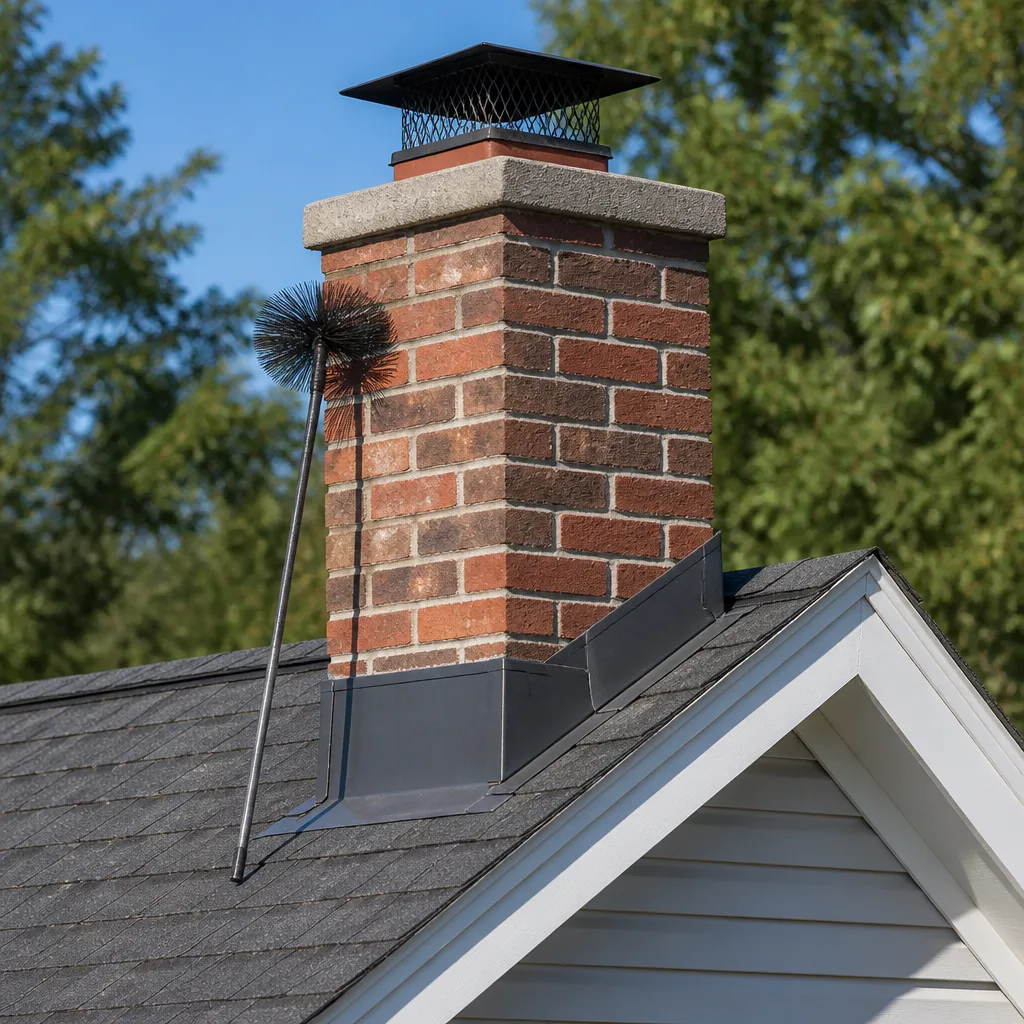 Sweep & inspection
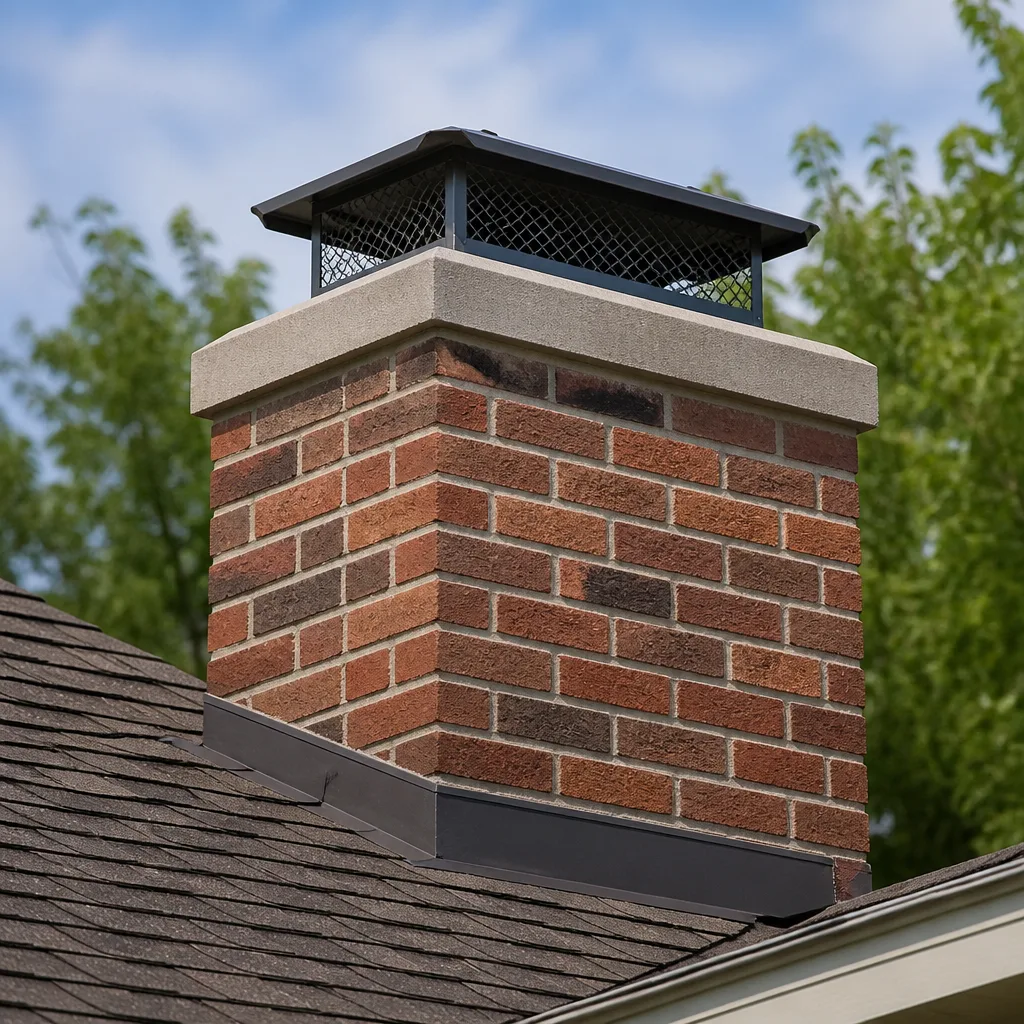 Caps & crowns
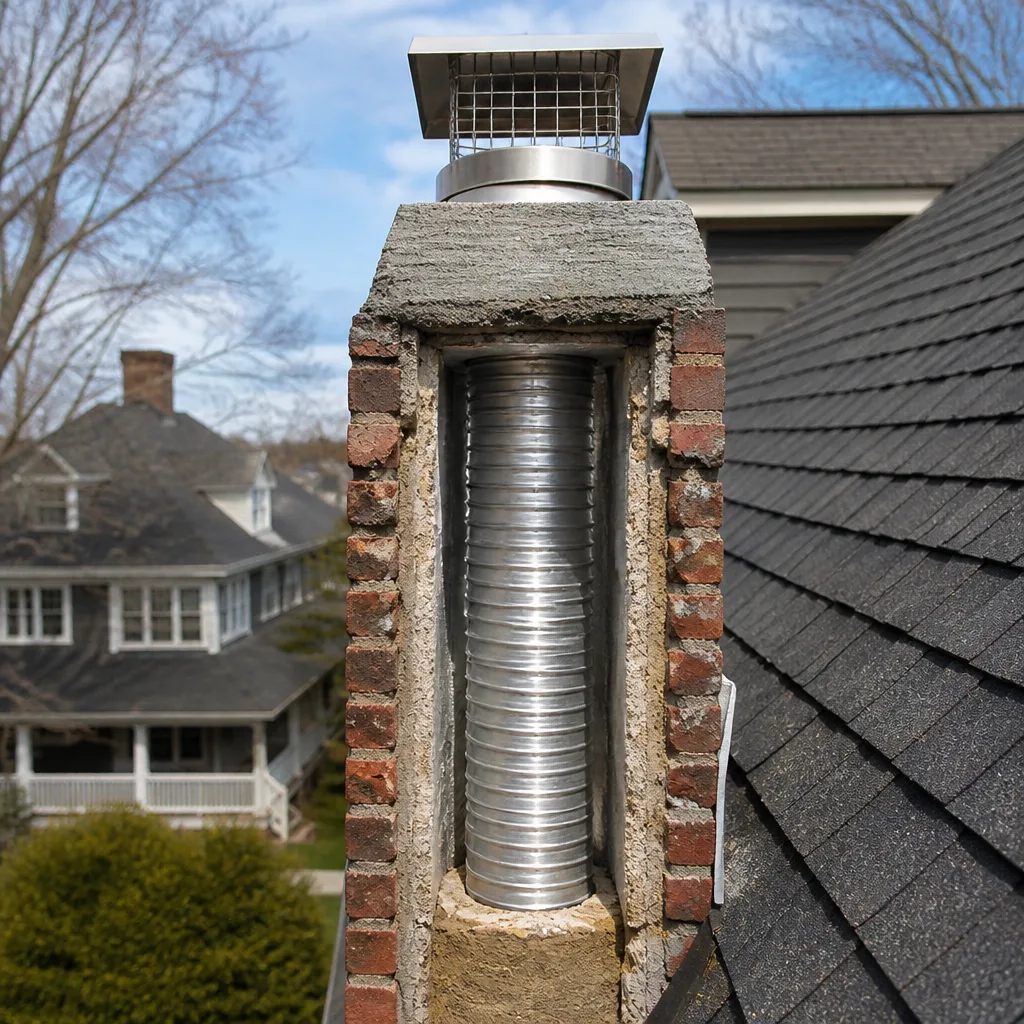 Flue relining
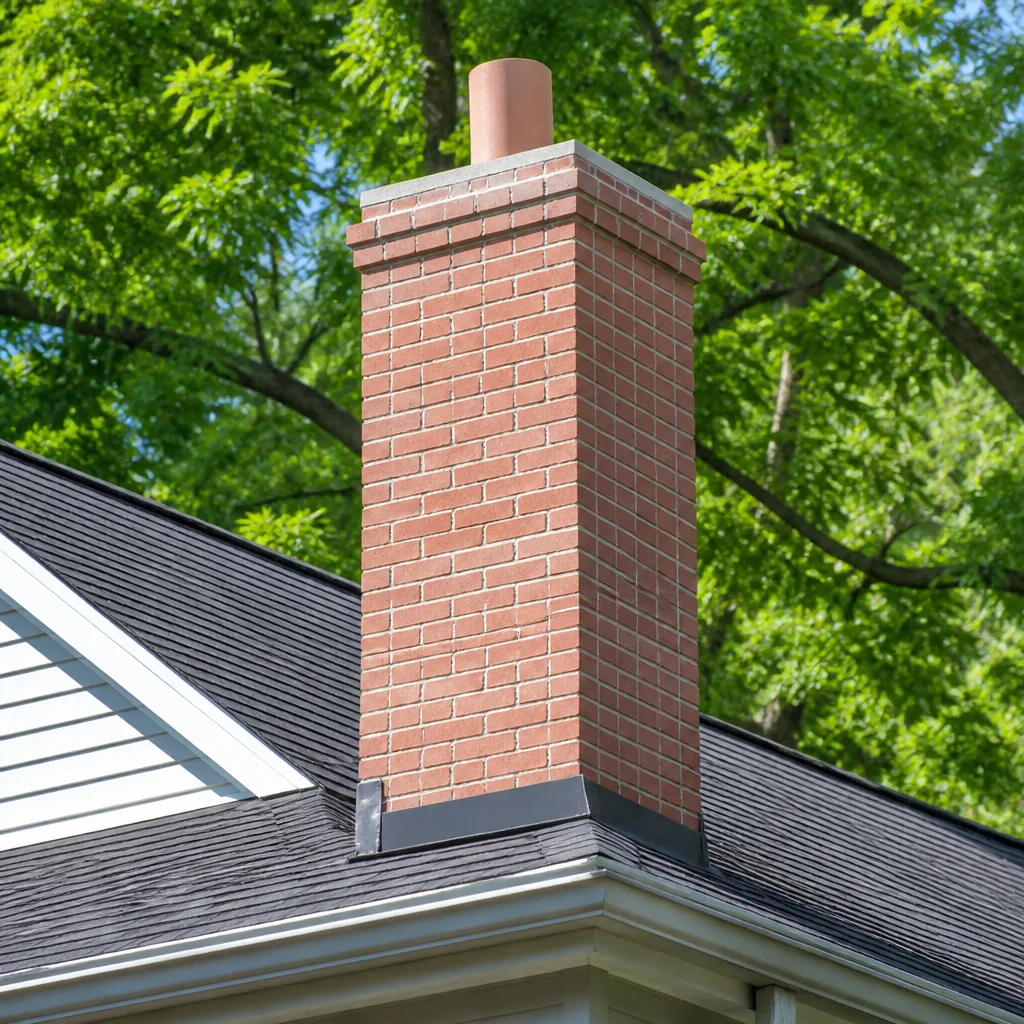 Masonry repair
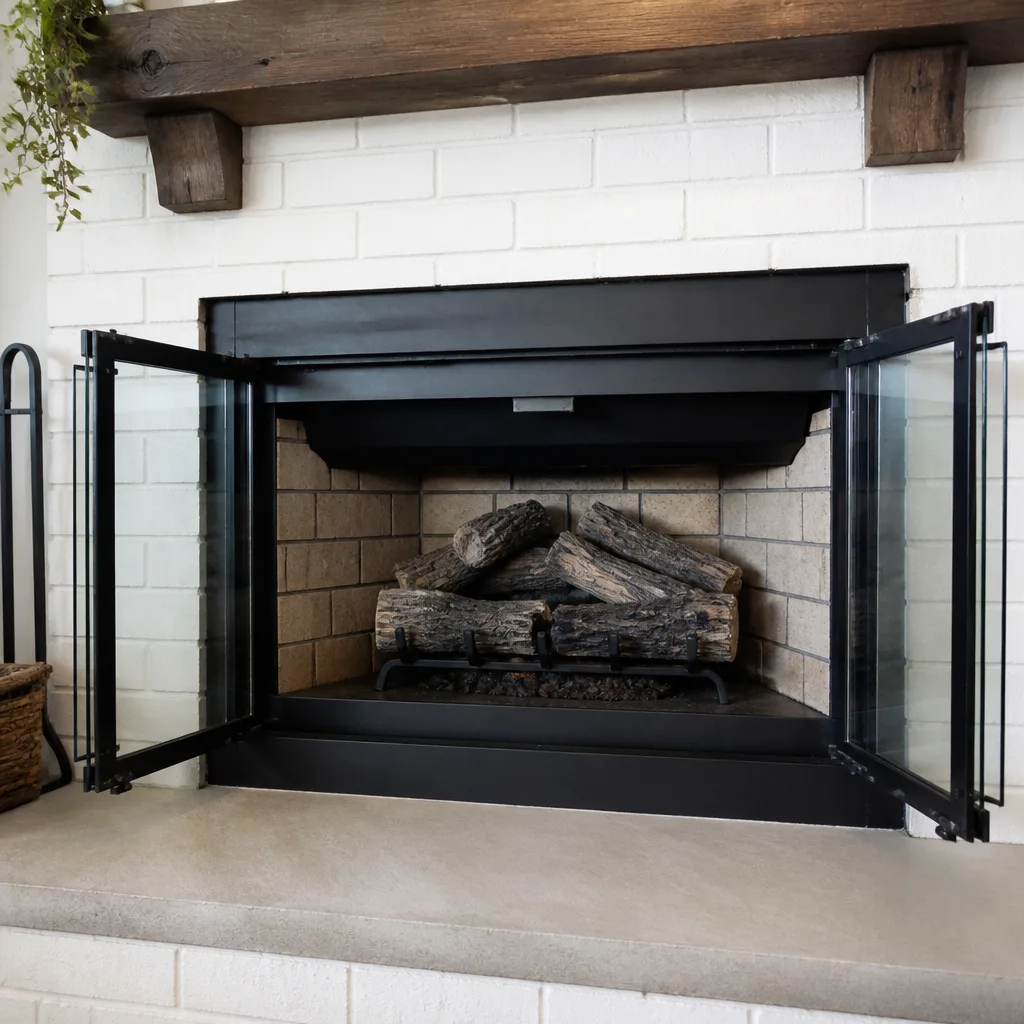 Gas fireplace service
Level 1 sweep and inspection to the NFPA 211 annual standard - flue, crown, cap, and flashing checked and photographed
Chimney sweep logs do not sweep chimneys. They loosen some creosote - which then falls where a brush and vacuum still have to collect it.
Chimney Sweep Maintenance Checklist for West Valley City Homeowners
The most common first-time finding on a chimney inspection here isn’t heavy creosote. It’s spalling brick and crumbled crown mortar that have been quietly failing for a few winters because nobody told the homeowner when, or where, to look. Creosote gets all the attention; the freeze-thaw cycle does most of the structural damage, and it works slowly and invisibly until a chunk of mortar lands on the roof. This guide assigns chimney tasks to specific months of the West Valley City year, based on how the burn season, the spring thaw, and our dry valley summers actually line up, and it separates the checks you can do from the ground safely from the ones that need a trained technician on the roof.
Quick Answer
A West Valley City homeowner should sweep the chimney once a year, ideally in late summer or early fall before burn season starts, and inspect it visually at four points across the year: after the last fire of spring, after the freeze-thaw swings of late winter, and before the first burn of fall. Anything involving the roof, the flue interior, or the cap and crown is technician work. Anything you can see from the ground with binoculars, you should check and photograph yourself on a set schedule.
Styles & brands we work with
- Sweep & inspection
- Caps & crowns
- Flue relining
- Masonry repair
- Gas fireplace service
Table of Contents
- The Month-by-Month West Valley City Chimney Calendar
- What You Can Safely Check Yourself vs. What Needs a Technician
- Spalling Brick vs. Heat-Cycle Cracking: How to Tell Them Apart
- How to Photograph and Document Your Chimney Year-Over-Year
- Creosote, the Burn Season, and the Sweep That Prevents a Chimney Fire
- Cap and Crown: The Cheapest Protection You Can Buy
- Which Checklist Items Void Manufacturer Warranties
- The Spring and Summer Tasks Nobody Does
The Month-by-Month West Valley City Chimney Calendar
Generic chimney checklists tell you to “inspect regularly.” That’s not a schedule, that’s a shrug. West Valley City has a real seasonal rhythm to its chimney stress, and matching tasks to it is the whole point of this guide. The valley sits under dry summers, hard winter inversions, and a spring that swings between warm afternoons and freezing nights for weeks. That swing is what cracks mortar and crowns; the burn season is what loads the flue with creosote. They happen in different months, so they get different tasks.
Here’s the calendar we hand to homeowners as a starting framework:
- March – after the last sustained fire: Ground-level look at the crown, cap, and brick face. Note any new flakes or chunks. This is right after winter did its worst.
- March to April – freeze-thaw peak: Recheck the crown and the top course of brick. Water that got into hairline cracks in fall freezes and expands now, and that is when spalling shows up.
- May – spring storm window: After the windy fronts pass through, check the cap and the flashing for movement. A cap that shifted in the wind lets water and animals in.
- June to July – dry-season deep check: This is the easy season on a chimney. Get the annual sweep and inspection on the calendar now, before everyone else remembers in October.
- August to September – pre-season sweep: Sweep and inspect before the first fire. This is the single most important item on the whole list.
- October to February – burn season: Watch the firebox for smoke rollback, listen for a change in draft, and keep an eye on the creosote on the flue at the top of the firebox.
The reason this calendar works is that it stops asking you to remember everything at once. You look at the crown when the crown is most likely to fail. You sweep when the flue is empty of fresh soot. You don’t have to be a chimney person to follow it. For the sweep itself, see our chimney sweep page for how the appointment runs.
What You Can Safely Check Yourself vs. What Needs a Technician
There’s a firm line between the two, and it isn’t about skill. It’s about height and the risk of what’s up there. A homeowner with a pair of binoculars and a phone camera can do a great job monitoring the chimney from the ground. A homeowner on a ladder with a brush is taking on real danger for no reason.
Ground-level checks you can do safely
- Look up at the chimney with binoculars from the yard. You’re checking the crown (the top slab), the brick face, the cap, and the flashing where the chimney meets the roof. Do this in good light, and do it on the four dates on the calendar above.
- Check for missing or bent spark screens. Rain, birds, and squirrels all get in through an open flue. A screen is cheap; a nest in the flue is not.
- Check the firebox and smoke chamber with a flashlight. Look for shiny glaze on the walls (that’s a sign of a hot-burning creosote), for crumbling refractory brick, and for gaps around the damper.
- Test your smoke and carbon monoxide alarms. A chimney issue that isn’t venting properly puts carbon monoxide in the room, and the alarm is your only warning. Test them monthly during burn season.
- Check for rust streaks down the outside face. Rust means water is penetrating, usually through the crown or a failing flashing. It’s a ground-level sign of a roof-level problem.
Checks that require a trained technician
- Anything on the roof. Ridge-to-chimney climbing is a fall hazard, and a slip is not worth the saved call.
- Inside the flue. A camera inspection sees the interior flue lining, which no homeowner can see safely or clearly from below.
- Sweeping and creosote removal. A trained sweep uses the right brush for your flue type (a stiff brush on a clay-lined flue, a different one on a metal liner) and knows what to do with the creosote once it’s out.
- Gas fireplace flue and vent checks. Gas units have their own venting rules and a different failure mode. Those get assessed during a professional inspection, not by eye.
If you’re prepping to sell a home in West Valley City or you just inherited the chimney of a house whose maintenance history is a mystery, a standalone inspection is the right call. You get a professional assessment without anyone pushing you into work you don’t need yet.
Spalling Brick vs. Heat-Cycle Cracking: How to Tell Them Apart
This is the checklist item most homeowners get wrong, and it matters, because the two things look similar from the ground but come from opposite causes. Spalling is what happens when water gets into a brick or mortar joint, freezes, expands, and pushes the surface off in flakes or chunks. Heat-cycle cracking comes from the inside, from the firebox and the flue getting hot and cooling again over many seasons. Different diagnosis, different repair.
How to read the signs of freeze-thaw spalling
- The flaking is on the outside face of the brick, especially near the top or in one patch. It looks like layers peeling or crumbling off.
- You see white powder or crust on the surface. That’s efflorescence, mineral salt left behind when water evaporates through the brick.
- The mortar joints are receding or crumbling, often in a horizontal band. A thin joint that’s worn back behind the brick face is a freeze-thaw problem.
- It shows up in late winter or early spring, after a hard freeze. Spalling is a winter event in West Valley City.
- The crown mortar has cracks running from inside out. The crown is the horizontal slab at the top of the chimney, and freeze-thaw is its main enemy.
How to read the signs of heat-cycle cracking
- The cracks are inside the firebox or smoke chamber – on the refractory panels rather than the outside brick face.
- The crack lines are on the interior of the flue, which is something a camera sees and a homeowner cannot.
- You notice a change in draft or smoke rollback – that could be a heat-related failure, not a weather one.
- The joint between the chimney and the fireplace insert or stove has opened. That’s a heat and movement problem, not a moisture one.
If you can’t tell which one you’re looking at, that’s the cue to have it looked at. The wrong repair – sealing a heat-cracked flue from the outside, or re-mortaring a spalling wall without fixing the water source – just delays failure. And this is the specific point where a homeowner ends up spending unnecessary money. Our approach is simple: nothing is recommended unless the camera shows it. Any chimney repair work we quote comes with that evidence first.
How to Photograph and Document Your Chimney Year-Over-Year
This is the item on the checklist virtually no homeowner does, and it’s the one that pays off most. Photography isn’t about being a chimney expert. It’s about being able to prove what your chimney looked like last year and the year before, which is worth a great deal if you’re ever in a dispute with a contractor, an insurance carrier, or a buyer on a home sale.
Here’s the process:
- Pick a fixed photo position. Stand in the same spot in the yard, at the same angle, using the same zoom level. Binoculars-against-the-phone-camera is fine. Consistency matters more than the gear.
- Take the same four shots every time. One wide shot of the whole chimney, one close-up of the crown, one of the cap, and one of the flashing at the roofline.
- Date and label each photo. A photo with no date is just a photo. Use the same naming pattern every time, like “chimney-crown-2026-03.”
- Keep a simple log. A note on your phone or a page in a notebook with the date, weather, what you saw, and who last worked on the chimney.
- Save the professional inspection reports in the same folder. A camera inspection report from a sweep (like the ones we issue) plus your annual photos makes a real paper trail.
- Record the repairs. Any cap replacement, crown repair, or liner work should have a photo before and after, plus the brand of material used.
Why this matters in West Valley City specifically: our freeze-thaw swings mean a small crack in the crown in October can be a flaking, spalling brick by April. Photos prove the timeline. If a spalling issue shows up after a repair warranty period, the before-and-after photos decide the argument. If you’re selling a house and the buyer’s inspector claims the chimney is failing, your year-over-year photos settle the question fast. We’ve seen plenty of homes where the chimney had been quietly degrading for years, and the owner had no record of it. Don’t be that owner.
Creosote, the Burn Season, and the Sweep That Prevents a Chimney Fire
Creosote is the residue left behind when wood smoke cools inside the flue. It comes in three grades, from a light flaky soot you can sweep off with a brush, to a hard glazed build-up that needs more work. The dangerous kind is the one that ignites, and a chimney fire is not a small house fire: it burns inside the flue with the whole structure around it, and it often goes unnoticed until it’s done damage.
What makes creosote worse in West Valley City is a mix of the fuel and the burn habits common here. Wood that hasn’t fully seasoned (higher moisture content) makes more creosote. A fire that runs cool and smoky all evening, rather than burning hot with good draft, makes more creosote. A closed damper on a cold morning with the house already warm can too. The annual sweep exists to clear this out before the next burn season, and it’s the reason a chimney fire is largely a preventable event.
What increases creosote in your flue
- Burning wood that hasn’t had a full season to dry (split it and stack it where the air moves, and check the moisture before you burn)
- Smoldering fires instead of hot ones
- A flue that’s oversized for the fireplace, so the smoke cools before it exits
- A chimney with poor draft because of a blocked cap, a nest, or a short stack
- Skipping one annual sweep and adding a second season’s worth of residue on top of the first
What the annual sweep actually involves
- A pre-sweep inspection to confirm the flue type and see what’s already there.
- Drop cloths and a sealed working area so the house stays clean.
- The right brush for your flue – a different brush for a clay lining than for a metal liner.
- Removal of the creosote and soot, top-down or bottom-up depending on the setup.
- A camera inspection of the flue, with a photo report you keep.
- A written summary of anything the sweep saw, whether it needs attention now or can safely wait.
Sweeping once a year is the standard practice. A heavily used fireplace, or one burning unseasoned wood, should be checked more often. If you’re not sure whether your flue is due, an inspection tells you.
Cap and Crown: The Cheapest Protection You Can Buy
If you do one thing on this checklist you don’t already do, put a proper cap on the chimney. A well-fitted cap with a spark screen keeps out rain, birds, squirrels, and the occasional debris that finds its way down. It also keeps sparks off your roof. The cap and the crown at the top of the chimney do most of the work of protecting everything below from water, and the freeze-thaw cycle in West Valley City punishes any weakness up there.
The crown is the concrete slab at the very top of the chimney. When its mortar cracks, water gets under it, freezes, and pushes the slabs apart. That’s the failure path to spalling brick down the face. The fix is a crown repair or a new poured crown, ideally with a slight slope so water drains off instead of pooling.
For caps, we stock and install Gelco and Famco chimney caps. These are proper trade-supply brands, not the flimsy big-box versions that rust out in a couple of winters. Pick the cap for the flue type and the shape of the chimney, and skip the ones that just look right on the shelf. Our chimney cap & crown page covers the installation work, and it’s one of the jobs where the right part is most of the job.
Which Checklist Items Void Manufacturer Warranties
This is the section most maintenance guides skip, and it’s the one that can cost you real money. Chimney liners, caps, and other components come with warranties from their manufacturers, and those warranties generally come with installation and maintenance conditions. If a non-certified person changes out a component or does a repair that a manufacturer’s instructions don’t allow, the warranty on that part can be voided. You end up with a failed part and no coverage.
What this looks like in practice:
- Installing a liner yourself (“DIY” kits exist) often voids the manufacturer’s warranty on the liner because it wasn’t installed to specification.
- Reline or resurface work done outside the manufacturer’s application instructions (for example, a HeatShield resurfacing job done without the proper surface prep or cure) is not going to be honored if it fails.
- Caps installed with the wrong fastening or on the wrong flue type can void the cap’s coverage and let water in.
- Firebox and refractory repairs done with the wrong mortar cause a callback, and the manufacturer will point out it wasn’t their material.
The safe rule of thumb: if a component was installed or repaired by a certified professional, the manufacturer’s warranty stays in force, and if it fails you have a claim. If it was done by anyone else, you probably don’t. Our technicians have up to 15 years of experience, work with materials from DuraFlex, HeatShield, Gelco, Olympia Chimney, Famco, and Copperfield, and install to manufacturer’s specification. That’s the difference between a repair and a promised repair.
On the resurfacing side, we use the HeatShield system to restore a deteriorated flue lining without a full relining. Not every chimney company offers it, and it extends the life of a flue that would otherwise need the liner replaced outright. That’s a meaningful cost difference, so it’s worth asking about.
The Spring and Summer Tasks Nobody Does
Most chimney work in the popular imagination happens in the fall. That’s the wrong season for the jobs that need the most attention. Spring and summer are the easy months for chimney access; they’re also the months when the most important West Valley City chimney damage happens, because that’s when the freeze-thaw swings finish off mortar that got wet in the winter. If you only think about your chimney in October, you miss the entire window when that damage is easiest to catch.
The spring/summer list:
- Post-winter ground-level check. Look for new spalling on the brick face and fresh cracks in the crown. This is when you’ll see it first.
- Cap and flashing check after the windy fronts. A shifted cap or lifted flashing is easy to spot from the yard and easy to fix before the fall rains.
- Book the annual sweep and inspection for late summer. The schedule is wide open and you’re not competing with the October rush.
- Clean the firebox and smoke chamber after the last fire of the season, so the summer isn’t spent with last winter’s soot in the house.
- Have the crown and any failing brick repaired in the dry months. Masonry repairs done in the freeze-thaw season don’t cure properly.
If any of this lands on work you’d rather not have done in the middle of summer, that’s fine. It all gets planned into a single appointment.
Common Mistakes to Avoid
- Skipping the visual check because the chimney “looks fine.” Spalling starts small, and the whole reason the West Valley City freeze-thaw cycle is a problem is that the early stage of it is easy to miss from the ground. Put the four checks on the calendar.
- Treating a spalling brick like a heat crack, or the reverse. They look alike but need opposite fixes. Sealing a spalling wall from the outside without fixing the water source makes it worse; patching a heat-cracked flue from the outside does nothing.
- Burning wood that hasn’t seasoned. Unseasoned wood makes more creosote than anything else you can do wrong, and it’s the mistake most homeowners make without realizing.
- Sweeping on a “whenever I remember” basis. The annual sweep catches creosote before it becomes a fire hazard. One missed season is a second layer on top of the first.
- Buying a cheap cap from the hardware store. The caps that rust out in a winter or two are usually the ones without a real spark screen or a proper fit. The trade-supply brands are worth the small difference.
- No photos before a repair. If you don’t have a dated photo of the chimney from last year, you have no way to prove a repair was needed when it was recommended. Document as you go.
- Waiting until the first cold snap to book the sweep. By then everyone else in West Valley City is booking the same appointment, and the schedule fills from the front.
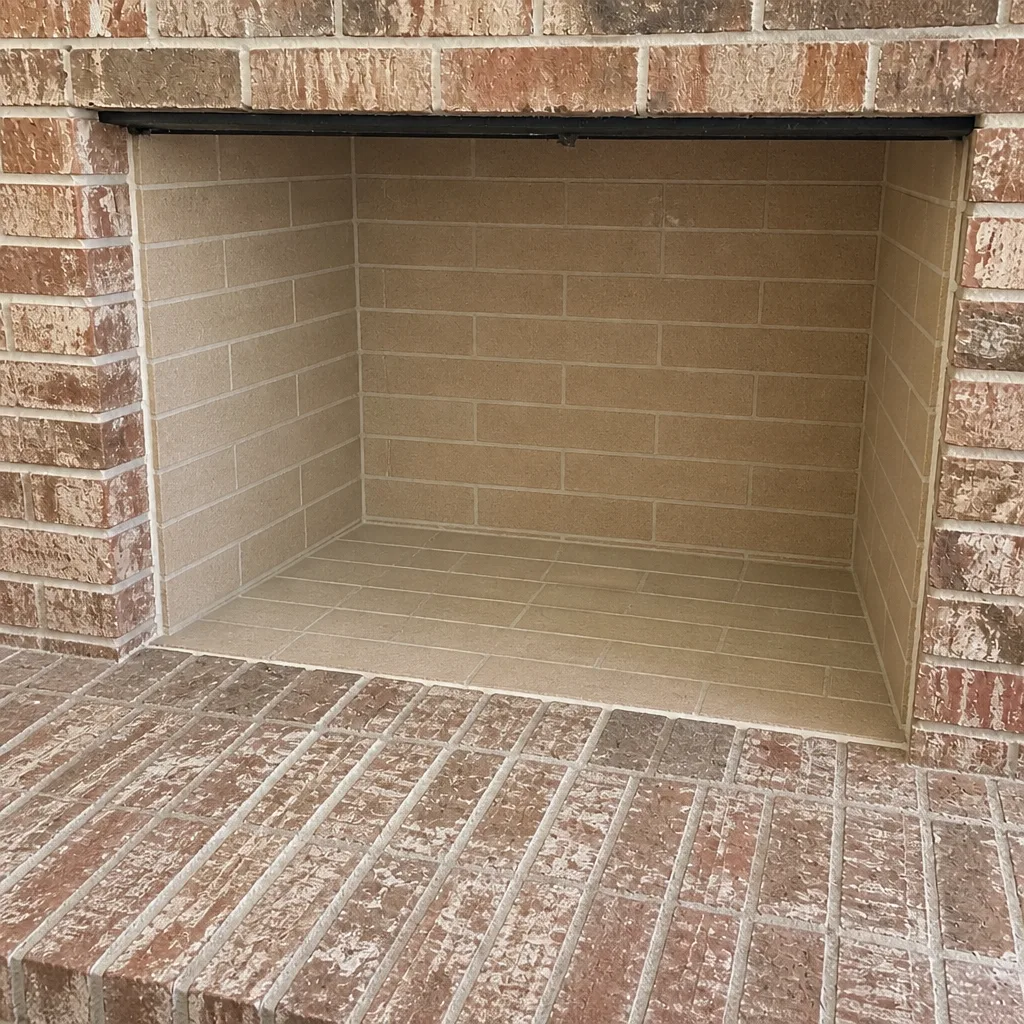
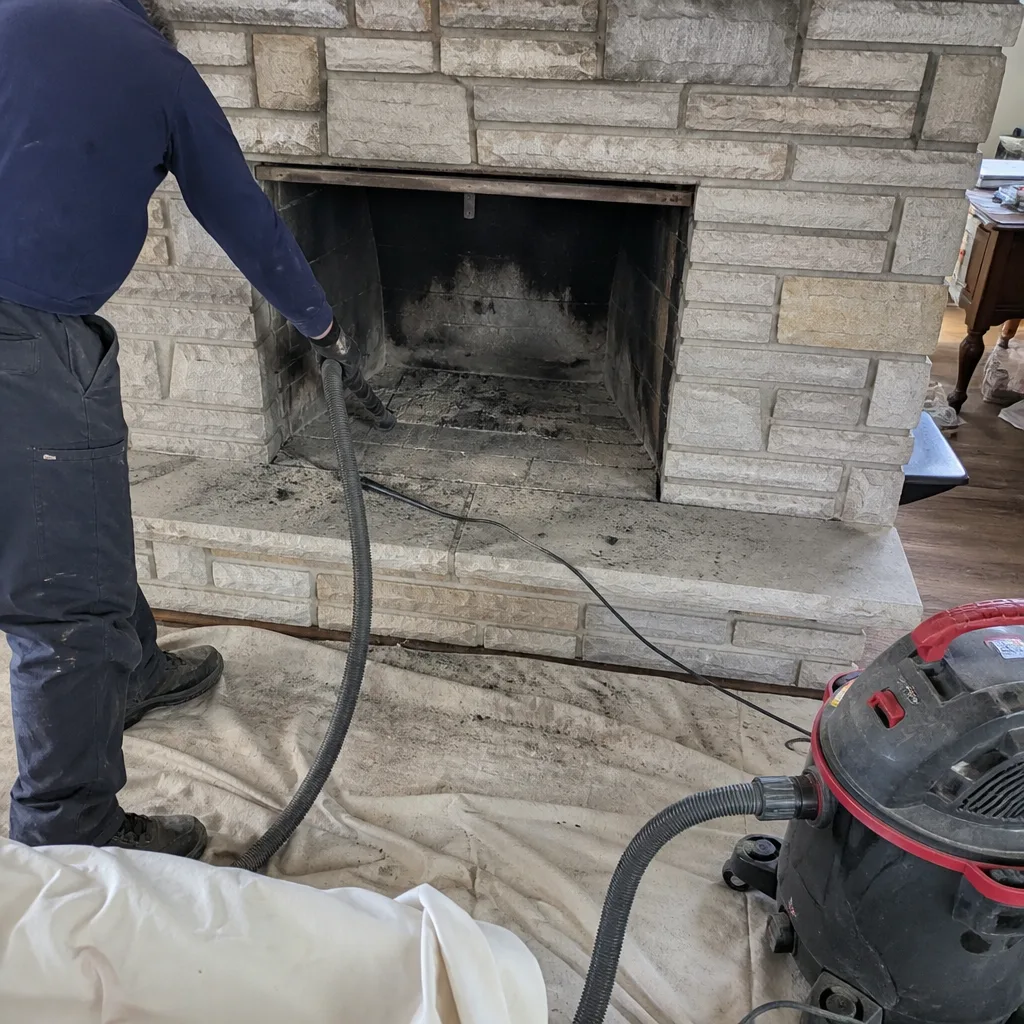
See the difference
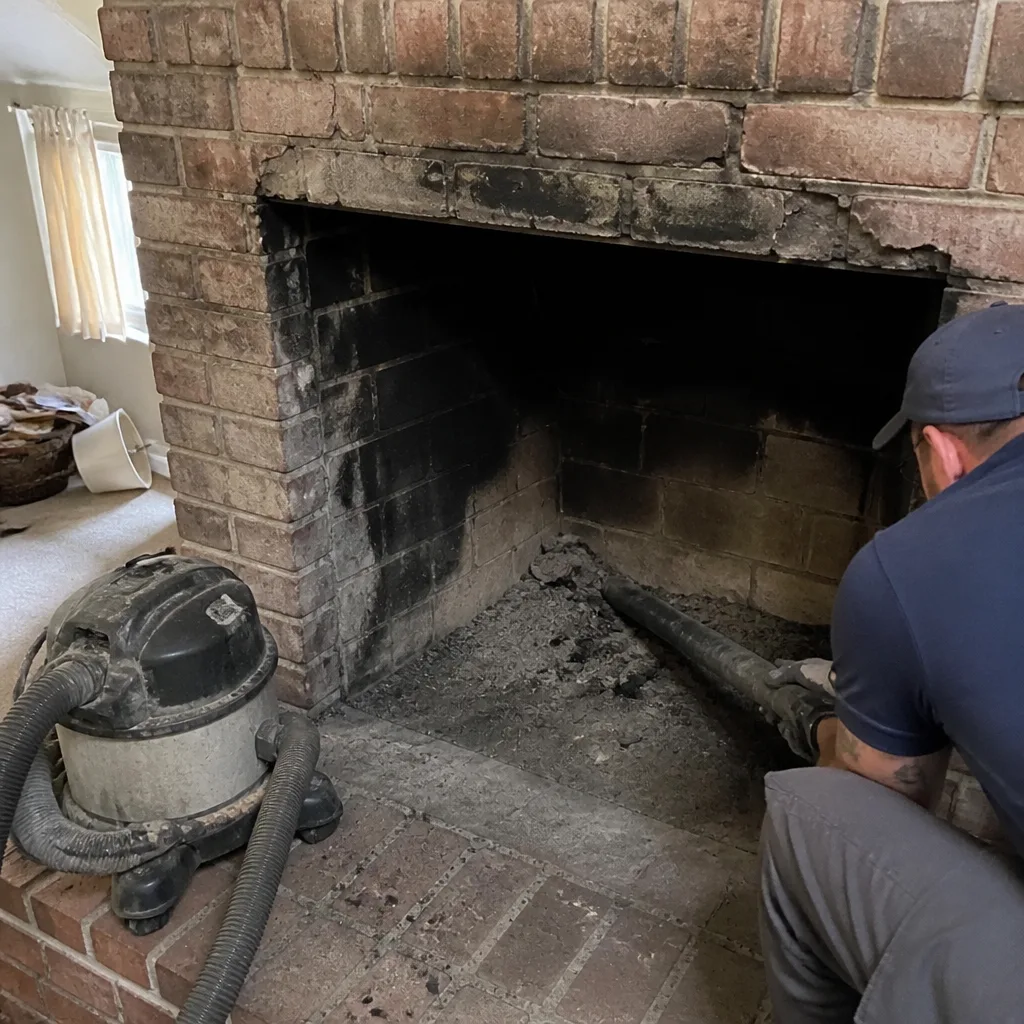 Before
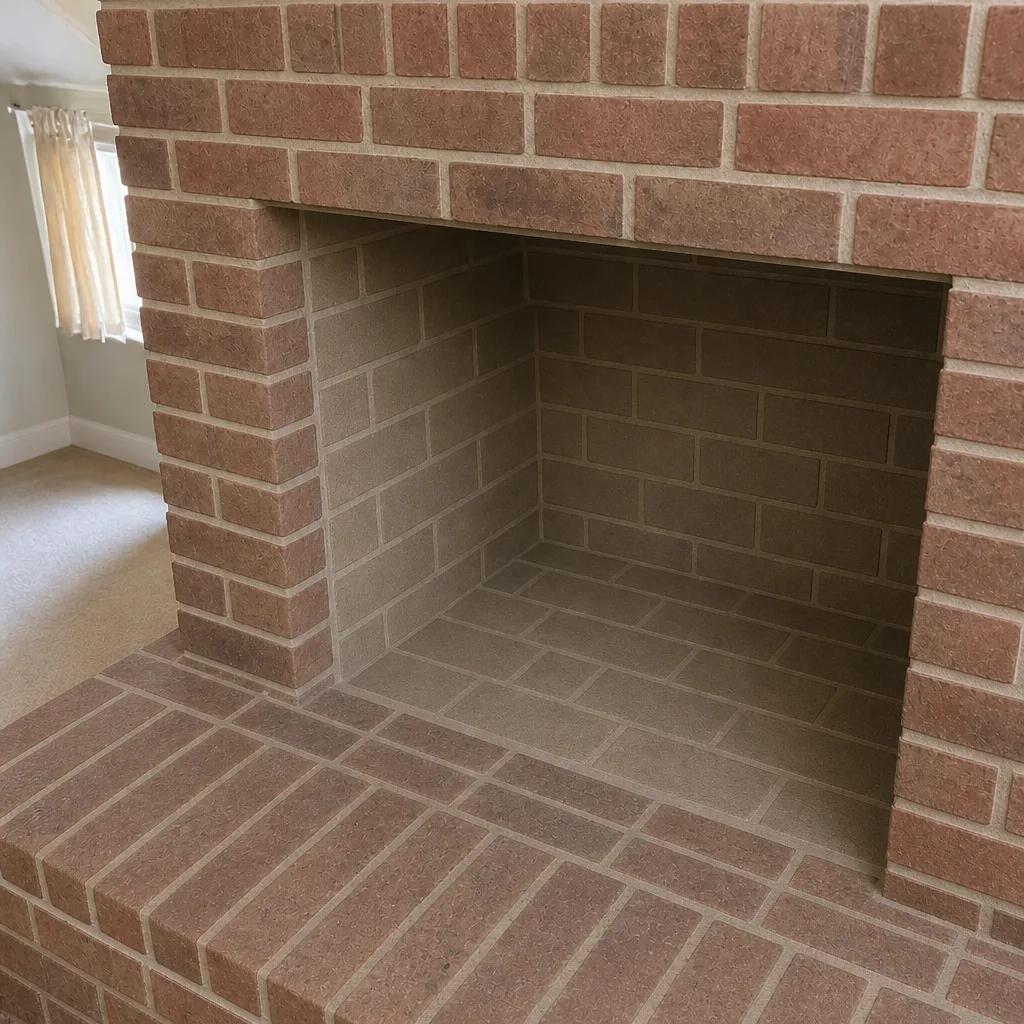 After
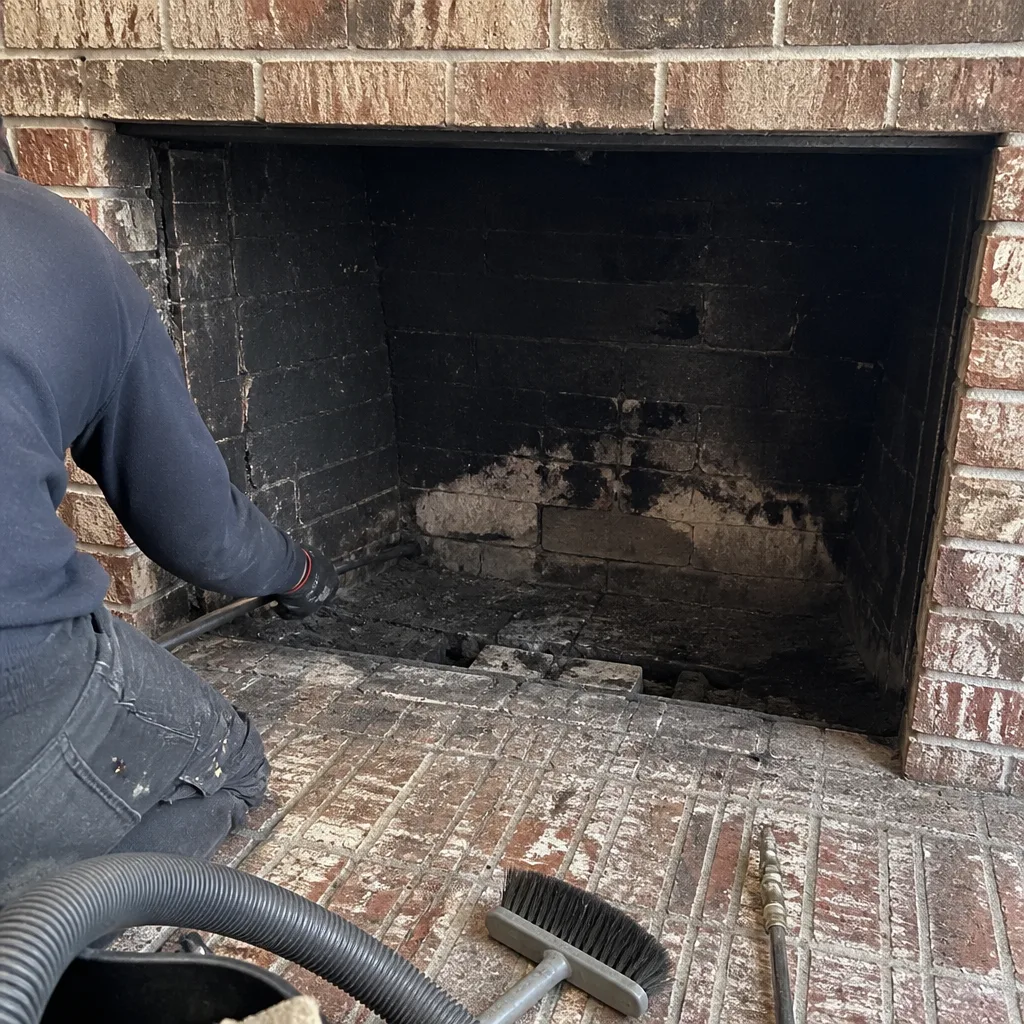 Before
 After
 Before
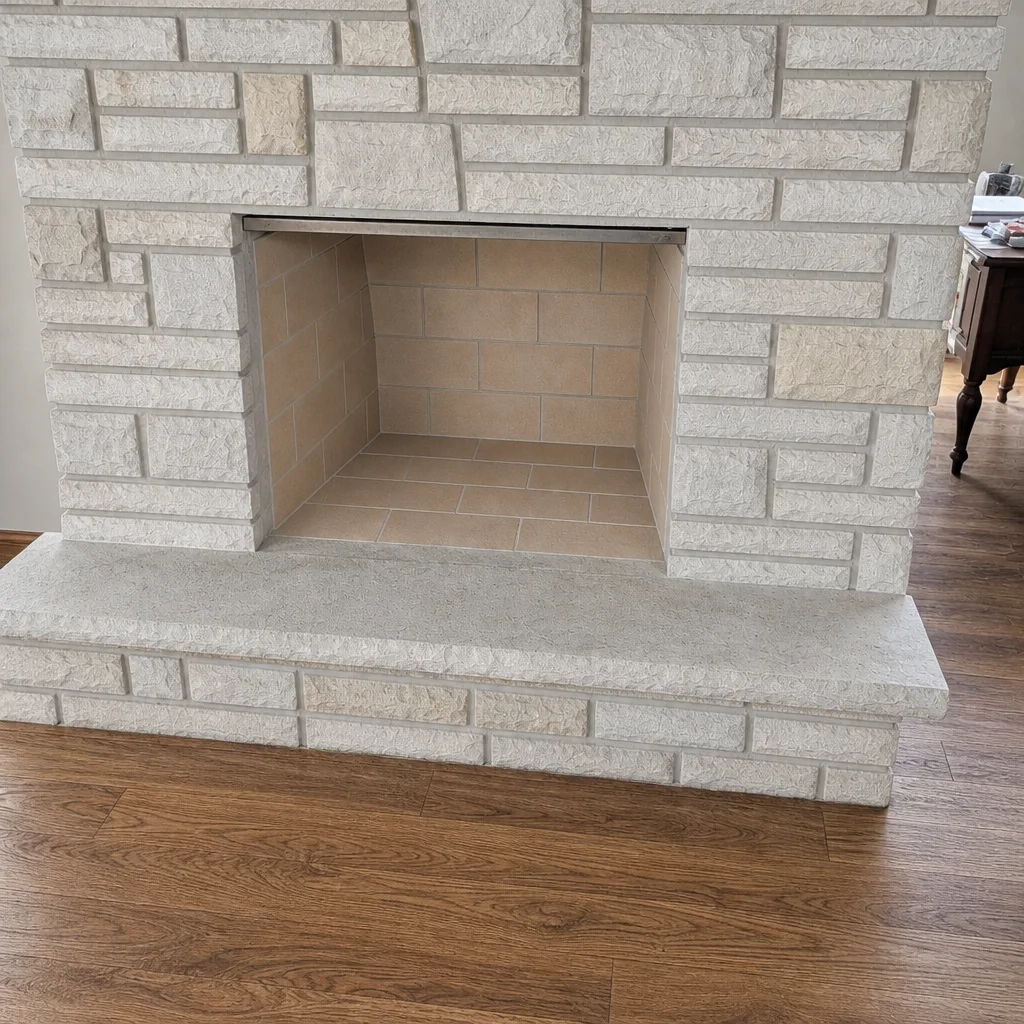 After
When to Call a Professional
Some of this checklist is yours to do, and we want you to do it, because a homeowner who knows what to look at is a homeowner who doesn’t get sold work they don’t need. The rest is a phone call. Call us if any of these is true:
- You haven’t had the chimney swept in over a year.
- You see spalling brick, a cracked crown, or efflorescence on the outside face.
- You hear a change in the draft, or you’re getting smoke rollback into the room.
- You’ve just bought a home in West Valley City and don’t have the chimney’s history.
- You’re preparing a property for sale and need a documented standalone inspection.
- You’re not sure which of two failures you’re looking at, and want evidence before you pay for any repair.
West Valley City Chimney Sweep offers free estimates in West Valley City. Give us a call at (877) 792-7416. We answer 24/7, and fast dispatch from 7am to 7pm, Sunday through Friday. Any chimney work we do, and any repair we recommend, comes with camera evidence you can see for yourself. Nothing gets called in without it, and lots of what you’ll see doesn’t need anything done yet.
Frequently Asked Questions
Once a year, in late summer or early fall before burn season, is the standard. A heavily used fireplace or one burning unseasoned wood should be checked more often than that. The annual sweep is what clears the creosote and lets you see the flue before the next fire.
Not necessarily. A lot of liners that get flagged for replacement can be restored with the HeatShield resurfacing system instead, which extends the flue’s life without a full relining. We don’t recommend a full liner until the camera shows the liner is failing, and we show you the footage.
Creosote builds up one season on top of the next, which raises chimney fire risk, and any small crack in the crown or mortar gets a second winter of freeze-thaw to work on it. In West Valley City, the freeze-thaw cycle does the structural damage while the creosote builds quietly. Two missed seasons is a significant catch-up.
You can and should do the ground-level checks (binoculars on the crown, cap, and brick face, flashlight in the firebox) on the schedule above. Roof-level and flue-interior work needs a technician. Keep those two jobs in their own lanes.
Yes, and it’s the most independent option on the list. A standalone inspection is a professional assessment without any expectation that you buy a repair. If you’ve never had one, or you want to know whether the chimney is in shape before the next season, it’s a low-cost way to answer the question once.
Spalling brick in a horizontal band, a flaking or crumbling crown, white efflorescence on the face, rust streaks down the chimney, or a cap that looks bent or shifted. Any of those means the water or wind has been getting in and it’s worth a look. None of them mean you’re about to spend thousands of dollars, but all of them mean the chimney is due for an inspection.
The Bottom Line
Chimney maintenance in West Valley City is a seasonal calendar, not a vague list of things to watch for. Sweep once a year, ideally before the first fire. Do the four ground-level checks on the dates above, with photos each time so you have a record. Book the professional work in the summer, when the weather is on your side, and keep the roof work and flue work in a technician’s hands. If you’re not sure what you’re looking at, an inspection with camera evidence is the honest way to find out, and a good chimney company will tell you when work can safely wait.
Written by the team at West Valley City Chimney Sweep.
Call West Valley City Chimney Sweep at (877) 792-7416 for a free estimate on chimney sweeps, chimney cap & crown installation, and fireplace repair work in West Valley City. We answer 24/7. Fast dispatch from 7am to 7pm, Sunday through Friday.