
Last updated November 25, 2026
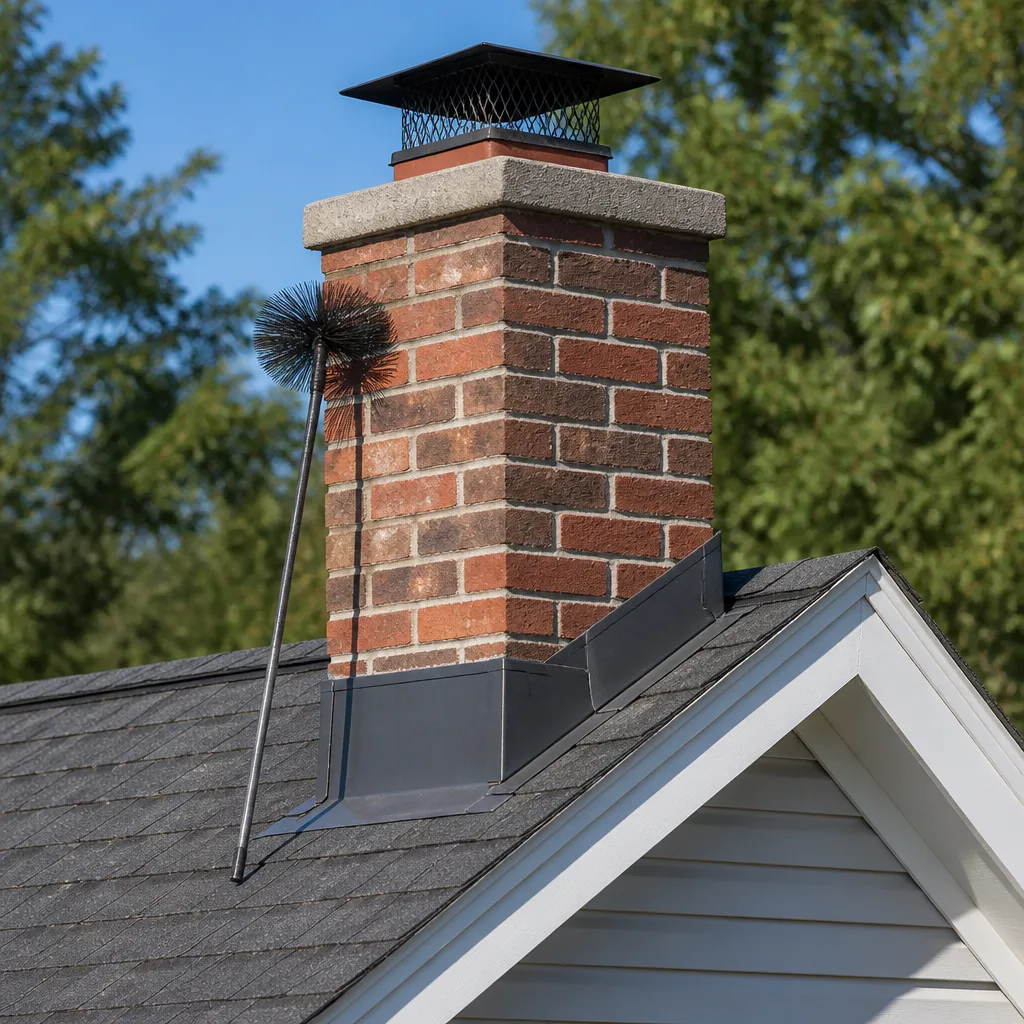 Sweep & inspection
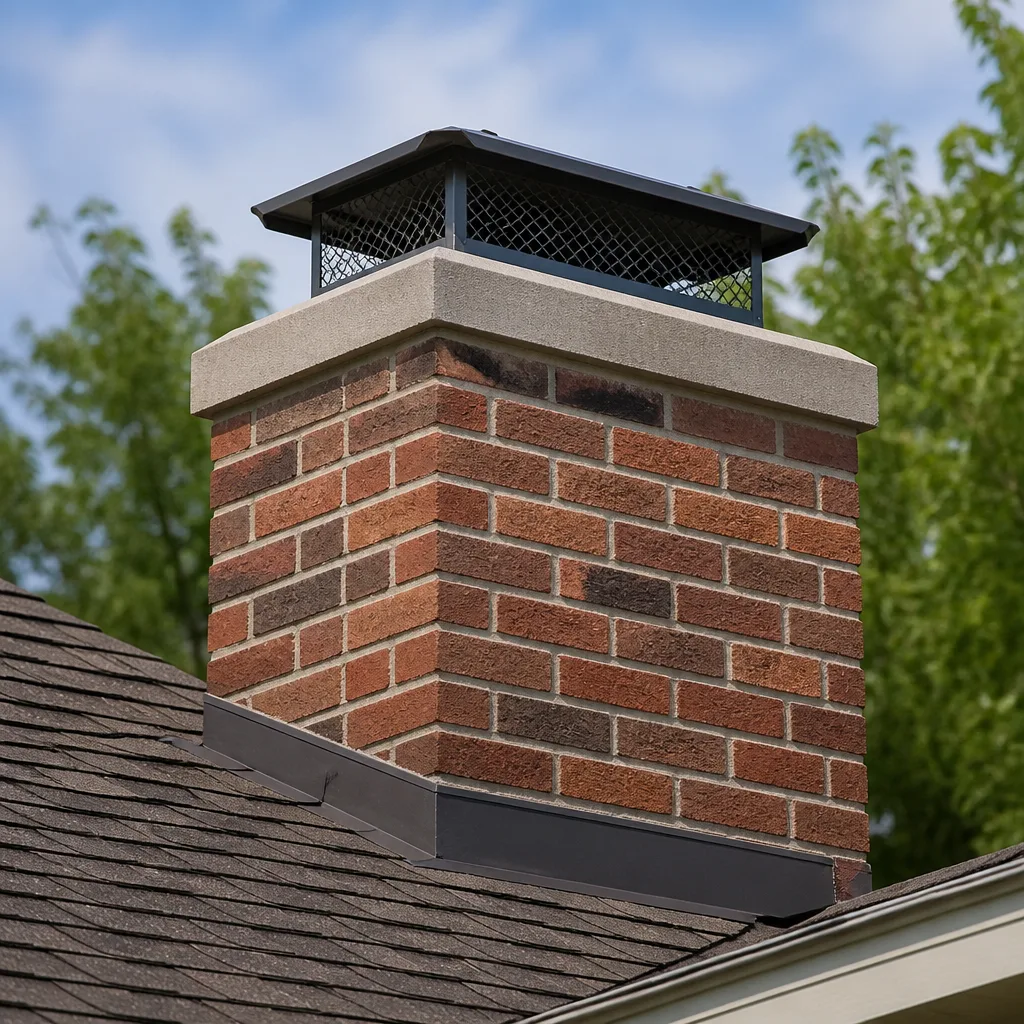 Caps & crowns
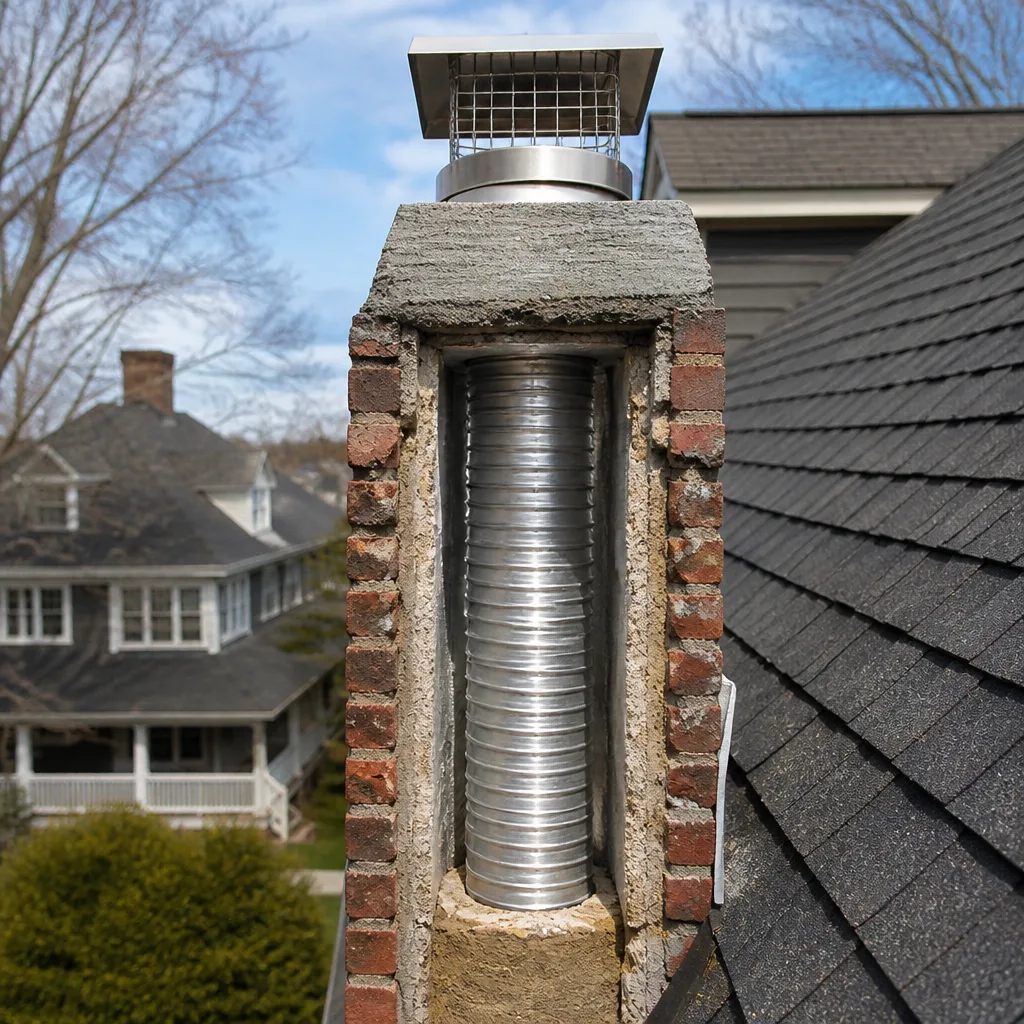 Flue relining
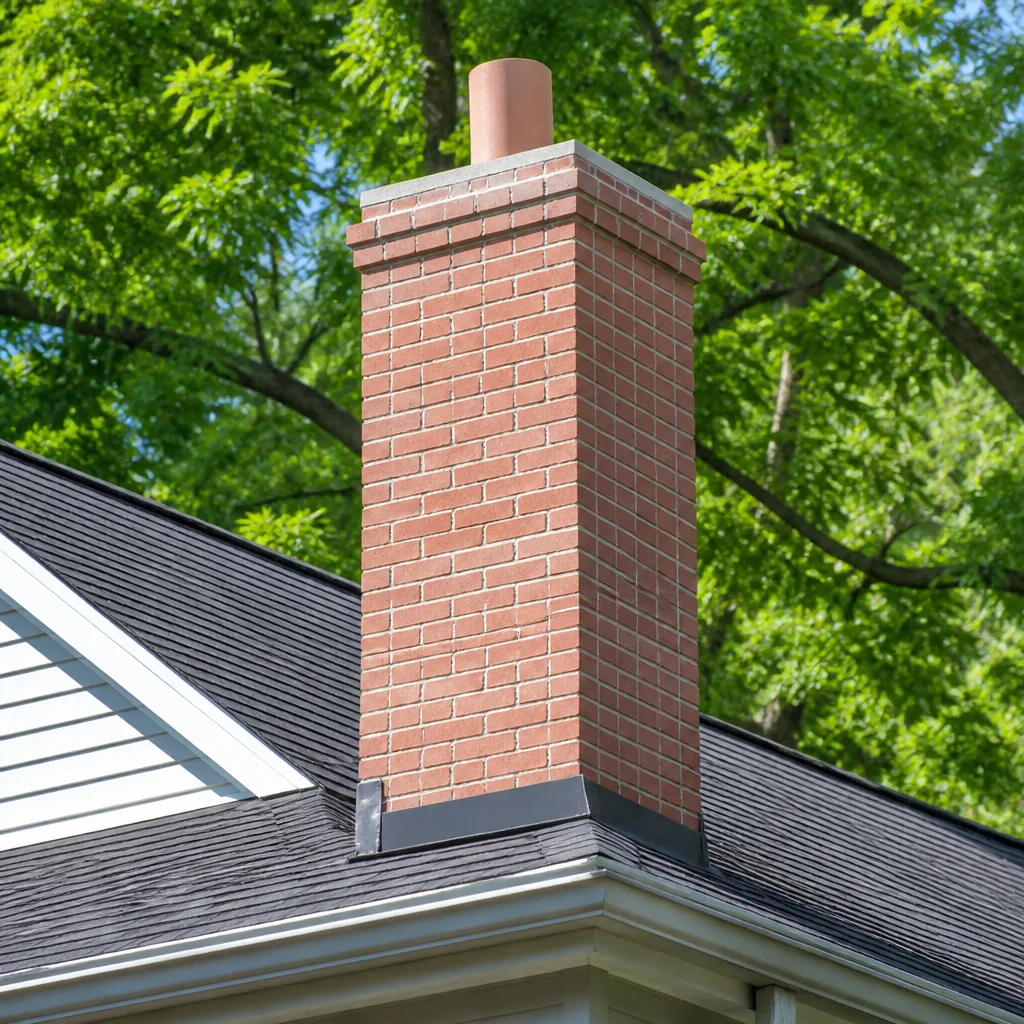 Masonry repair
 Gas fireplace service
Level 1 sweep and inspection to the NFPA 211 annual standard - flue, crown, cap, and flashing checked and photographed
Chimney sweep logs do not sweep chimneys. They loosen some creosote - which then falls where a brush and vacuum still have to collect it.
Seasonal Chimney Cleaning Care for West Valley City: Year-Round Homeowner’s Guide
Most West Valley City homeowners think about the chimney twice: once when the first cold snap hits and once when something smells wrong. That schedule misses most of what actually damages a flue here. Late-summer monsoon moisture that works into a hairline crack in the crown in August will have been freeze-cycling inside the masonry for months before you light your first fire in November. By the time you notice anything, the damage has already happened. This guide reframes chimney care as a four-season discipline, with a specific job for each of West Valley City’s distinct climate phases: dry summer heat, monsoon moisture, hard freeze, and spring thaw. You’ll learn what to check and when, why the calendar matters more than most people realize, and how a simple two-visit annual rhythm covers the whole cycle.
Quick Answer
In West Valley City, chimney care works best as a two-visit annual rhythm: a late-summer visit that catches monsoon moisture damage and clears the flue before burn season, and a spring visit after the heating season that removes creosote and checks for freeze damage. Between those visits, the work is mostly observation, sealing, and keeping water and animals out. Annual sweeping plus an inspection is the baseline every wood-burning chimney needs, and the timing matters as much as the service itself.
Styles & brands we work with
- Sweep & inspection
- Caps & crowns
- Flue relining
- Masonry repair
- Gas fireplace service
Table of Contents
- Why seasonal care matters in West Valley City’s four distinct climate phases
- Why the dry summer heat is the best time for crown sealing and waterproofing
- Monsoon moisture: what gets in and where it goes
- The hard freeze: what happens to your masonry and flue
- Spring thaw: the damage you can finally see
- The two-visit annual rhythm that covers everything
- Why late summer beats October for your annual sweep
- Your seasonal checklist for West Valley City
Why Seasonal Care Matters in West Valley City’s Four Distinct Climate Phases
West Valley City sits in the Salt Lake Valley, and the valley has a genuinely four-part year that most chimney advice ignores. The summer is dry and hot, the late summer brings monsoon moisture up from the south, the winter brings a hard freeze that drives temperatures well below freezing, and the spring thaw lifts moisture out of the ground and out of masonry. Each phase does something different to a chimney, and each one creates a window for work that either protects the chimney or lets damage set in.
Most chimney problems in West Valley City aren’t sudden failures. They’re slow ones: a crack that widens a little each winter, a liner that spalls a little more each freeze, a crown that lets in a bit more water each August. The homeowner never sees any of it until a draft goes bad, a stain appears on a ceiling, or a technician opens the flue and finds what the weather has been doing all year.
Here’s the seasonal shorthand we use:
- Summer (dry heat): The best time for sealing, waterproofing, animal exclusion, and the annual sweep. Everything is dry, so inspection and monitoring are reliable.
- Late summer (monsoon): When water finds the weak points. Crowns, flashing, and masonry joints get tested. This is the season when leaks begin.
- Winter (hard freeze): When any moisture already inside the masonry expands and contracts. The damage compounds but stays hidden.
- Spring (thaw): When the damage becomes visible, and when a post-season inspection tells you what winter did.
The point isn’t that chimney care is complicated. It’s that the calendar you use determines what you catch and what you miss. A homeowner in West Valley City who does chimney work only in October is inspecting after the summer damage window has already closed and before the freeze has begun its work. A homeowner who does it in August and again in March covers the whole cycle. The difference matters more than which brand of brush gets used.
We work on chimney systems in West Valley City across all four of those seasons, and the pattern repeats: the homes that get the two-visit rhythm are the ones that go years without a repair. The homes that get one visit a year, always in the same month, are the ones that find problems late. For a full list of what we do, see West Valley City Chimney Sweep.
Why the Dry Summer Heat Is the Best Time for Crown Sealing and Waterproofing
August in West Valley City is dry enough that you can seal a crown or apply waterproofing and trust it to cure properly. That’s the technical reason summer is the season for this work: sealants, caulks, and waterproofing coatings all behave predictably on dry masonry and behave unpredictably on damp masonry. If you seal a damp crown, you trap moisture behind the coating, and that moisture expands and contracts through the winter. If you seal a dry crown, the coating does the job it’s meant to do.
Water is the single biggest cause of chimney damage we see in West Valley City. Not fire. Not creosote. Water. A chimney is essentially a masonry tower sticking up out of a roof, and the crown (the concrete cap at the top), the flashing at the roofline, and the masonry joints are the three places water gets in. All three are sealable or repairable, and all three are easiest to inspect and repair when everything is dry.
Here’s what a summer protection job typically involves:
- Inspect the crown. Any crack wide enough to catch a fingernail should be sealed. A crown with deep or widespread cracking is usually replaced, and that’s a masonry job rather than a coating job.
- Check the flashing at the roof. The step flashing where the chimney meets the roof is a common leak source, and it’s also one of the cheapest things to fix when it’s caught early.
- Seal masonry cracks and joints. Small cracks and open joints get sealed before monsoon season, not after.
- Apply a breathable waterproofing treatment to the masonry. Breathable is the key word; a non-breathable coating traps moisture inside the brick.
- Confirm the cap and spark arrestor. A missing or damaged cap lets rain straight into the flue and lets animals in. See our chimney cap & crown page for what we install and why the cap matters.
- Clear any animal nests or debris. Birds and squirrels are relentless in summer, and a summer inspection is the right time to make sure the flue is clear before burn season.
The brands we work with for caps and covers are chosen because they’re the ones the trade specifies: Gelco and Famco are the sort of caps that survive a valley winter and stay put in wind, and that matters more than whatever a big-box alternative costs. We install and stock both.
Monsoon Moisture: What Gets In and Where It Goes
The late-summer monsoon is the phase most West Valley City homeowners underestimate. It isn’t a lot of rain, but it arrives in bursts and it arrives on dry masonry that has been baking all summer. That’s the worst combination for a chimney: dry brick wicks moisture in quickly, and a sudden heavy rain tests every crack, joint, and flashing edge at once.
What matters isn’t the volume of water. It’s where the water ends up. A chimney is a hollow structure, and there are several places water can collect once it gets past the exterior:
- Inside the crown. A crack in the top surface lets water into the concrete and into the top of the flue.
- Between the flue tile and the masonry. Water can travel down the space between the clay flue liner and the brick, and it can arrive inside the house at the firebox or at a ceiling.
- Behind the flashing. Water that gets behind step flashing and runs down the roof deck rather than down the surface. This is a classic ceiling stain in West Valley City, and it’s often misdiagnosed as a chimney flue problem.
- Inside the smoke chamber and damper area. A missing or rusted damper assembly will let water in from the top and from the firebox side.
In our experience, most “chimney leaks” in West Valley City aren’t flue leaks. They’re crown or flashing leaks, and the difference matters because the fix is very different. A flue leak may mean a liner or a resurfacing job; a flashing leak usually means a roofing repair. The only way to know which one you have is to inspect both from the top and from the inside.
The other function of a late-summer visit is diagnostic: if you catch a leak in August or early September, you have weeks of dry weather to fix it before the freeze. If you catch it in October, the fix may have to wait until spring.
The Hard Freeze: What Happens to Your Masonry and Flue
West Valley City winters are cold enough to freeze and thaw repeatedly, and that cycle is what actually breaks chimneys. Water expands when it freezes, and any water sitting in a masonry crack, a spalled flue tile, or a porous brick will push outward on the surrounding material as it turns to ice. That’s called freeze-thaw cycling, and it’s the single mechanism behind most of the cracked crowns, spalled flue tiles, and loose mortar joints we repair in the valley.
The reason this matters is that freeze damage compounds. A small crack in the crown doesn’t just stay a small crack; water gets in, freezes, widens the crack, more water gets in, freezes, widens it further. Across one winter a crown can go from “needs sealing” to “needs replacing.” The same dynamic plays out inside the flue: a hairline crack in a clay flue tile can open up enough over a winter that it becomes a real clearance problem by spring.
Two things are worth understanding about the freeze phase specifically:
- Interior freeze damage is invisible from outside. A flue tile can crack and spall on its inner face while the chimney looks fine from the roof and the living room. The only reliable way to catch it is a camera inspection of the flue.
- Exterior damage shows up later than you’d expect. Loose mortar joints and efflorescence (the white chalky staining that appears when moisture moves through masonry) often appear in late winter and early spring, not during the freeze itself. That’s because the moisture needs time to migrate to the surface.
The practical upshot is that winter is the season to run the fireplace carefully and observe. If you notice a change in draft, a new smell, a stain, or a rusted damper, note it and get it inspected in spring. Don’t assume a November inspection has told you everything you need to know; it hasn’t yet, because winter hasn’t finished doing its work.
If you have a wood-burning fireplace, this is also the season to burn dry, well-seasoned wood and keep an eye on creosote. Creosote is the tar-like residue that forms as smoke cools, and it’s what chimney fires burn. If it’s been a while since your last sweep, book before the season rather than after. You can reach our chimney sweep team directly.
Spring Thaw: The Damage You Can Finally See
Spring in West Valley City is where all the deferred decisions from the winter get resolved. The thaw lifts moisture out of the ground and out of masonry, which means the damage finally becomes visible: loose joints, spalled brick faces, efflorescence, cracked crown surfaces, and sometimes an interior stain that reveals a slow leak that started in the monsoon. A post-season inspection in March or April reads the winter’s report card.
Freeze-thaw damage shows up in two places, and which shows up first depends on the chimney:
On the exterior, you’ll typically notice it first as loose or missing mortar joints, brick faces that have “peeled” or flaked off, and the chalky white staining of efflorescence. These are cosmetic until they aren’t: once the joints are loose, water gets in more easily, and the cycle speeds up.
Inside the flue, freeze damage usually shows up first as hairline cracking and spalling of the clay flue tile, often starting at the top of the flue where moisture gets in. That’s genuinely a safety issue if the flue tile has cracked to the point where it no longer provides the clearance the flue needs, and the fix can range from a fireplace repair at the firebox to a liner solution.
This is where HeatShield comes into the picture. HeatShield is a liner resurfacing system: it restores a deteriorated flue liner by applying a new interior surface to the existing flue, rather than removing and replacing the whole clay liner. Not every chimney company offers it, and it’s genuinely useful in the specific situation where the flue tile is deteriorated but still structurally sound enough to be resurfaced. In that situation, HeatShield typically costs less than a full relining and does the job. In a chimney where the flue tile is already cracked all the way through or displaced, it isn’t the right answer, and you’d need DuraFlex or another proper relining material instead. What matters isn’t which product gets mentioned; it’s which one your chimney actually needs, and that’s a diagnosis question, not a sales question.
Spring is also the right season for a post-season sweep. Creosote that formed during the burning season sits in the flue all summer if you skip it, and while creosote doesn’t ignite at room temperature, it’s easier and safer to clear out in spring than in October.
The Two-Visit Annual Rhythm That Covers Everything
Here’s the simplest system we recommend for West Valley City homeowners: two visits a year, at the two points in the calendar that matter most. One in late summer, before the monsoon damage has time to compound and before burn season starts. One in spring, after the burn season, to clear creosote and catch anything the winter did.
Between those two visits, the homeowner’s job is observation, not maintenance. Notice changes. Report them. Don’t try to fix chimney problems from the ground.
- Late July to early September: pre-season visit. This is the annual sweep plus a full inspection. It clears creosote from the previous season, confirms the flue is clear of animals or nests, and checks the crown, cap, and flashing before the monsoon finishes testing them. If any protection work is needed (crown sealing, waterproofing, cap replacement), you have time to schedule it in dry weather.
- Late February to late April: post-season visit. This is the sweep of the creosote the winter produced, plus a re-inspection to see what the freeze did. Any cracking, spalling, or loose joints get caught before they open up further during the next summer.
- Between visits: observe. Watch for changes in draft, new stains, rust, or odor. Note the date. That note is useful at the next inspection, because it points the technician to the right part of the system.
Two visits a year is the baseline for a chimney that’s in good shape and being used regularly. A chimney that hasn’t been inspected in a while, or one in a home you just bought, may need a closer look before the two-visit rhythm is enough. For a property with an unknown chimney history, a standalone inspection is the right starting point, and it doesn’t have to include any work you don’t authorize.
In our experience, the homes that stay in the two-visit rhythm don’t get surprising repair estimates. They get small ones, because the problems were caught before they enlarged. Homes that skip years get large estimates, and the homeowner has no way to tell whether the estimate is honest. That’s the thing we try hardest to fix: an inspection that includes camera evidence you can see, so nothing is recommended that you can’t verify.
Why Late Summer Beats October for Your Annual Sweep
Ask most homeowners when they should get their chimney swept and they’ll say “before winter.” That’s true but incomplete. The better answer for West Valley City is late summer, for three reasons: it catches monsoon damage before burn season, it catches freeze damage before the monsoon, and it gets you on a schedule when the calendar is less crowded.
The reason October is a harder month isn’t a sales line. It’s structural. Every homeowner in the valley figures out at the same time that burn season is coming, and everyone calls at once. A late-summer sweep means you get a wider range of appointment times and a technician who isn’t working through a backlog. An October call means you get whatever’s left.
The more substantive reason is damage control. A chimney swept and inspected in August gets the protection work scheduled in September, and the crown and waterproofing are complete before the monsoon tests them and before the freeze begins. A chimney swept in October doesn’t. If the inspection turns up a crown crack or a missing cap, you’ve only got a few weeks of dry, warm weather to fix it, and if it doesn’t get fixed, the freeze does its work all winter on a chimney that’s already compromised.
There’s one more advantage: a dry chimney is easier to inspect accurately. Rain and snow hide details, and a wet crown or masonry joint reads differently in a camera image. A late-summer inspection catches things that a late-October one misses simply because of weather. The same principle applies to the spring visit: as soon as the thaw is finished, you get a clean reading of what the winter did.
Your Seasonal Checklist for West Valley City
If you want a single printable list to run through each year, this is the one we give homeowners in West Valley City. It covers the cycle without asking you to climb a ladder.
Summer (June through August):
- Book the late-summer sweep and inspection.
- Confirm the cap is in place and the spark arrestor is intact.
- Look for animal nests at the top of the flue, and have them cleared if found.
- Check the crown from the ground with binoculars: is there visible cracking, and has any part of it lifted?
- Seal and waterproof in dry weather, ideally before the first monsoon storm.
Monsoon (late July through September):
- After a heavy storm, look at the ceiling and the firebox for new stains.
- Note any new smell in the house that seems to come from the chimney.
- Check the flashing at the roofline for visible lifting or separation.
- If you see any of the above, get an inspection before the freeze.
Winter (November through February):
- Burn dry, well-seasoned wood.
- Note any change in draft, smell, or sound.
- Keep an eye on the damper for rust or sticking.
- Don’t assume a pre-season inspection has told you everything; winter has more to do.
Spring (March through May):
- Book the post-season sweep and inspection.
- Look for efflorescence (white staining), loose joints, and spalled brick faces.
- Check for interior stains that appeared over the winter.
- Get the flue camera-inspected if it’s been more than a year since the last full inspection.
Common Mistakes to Avoid
- Sweeping only in the fall. Fall sweeping catches the creosote from the last season but misses the monsoon damage that’s about to happen and the freeze damage that already did. You need the spring visit for the full picture.
- Sealing a wet crown. If you coat a crown or masonry that still has moisture in it, you trap that moisture inside, and the freeze-thaw cycle works on it all winter. This is why the summer dry window matters so much in West Valley City.
- Assuming a leak is a flue problem. Most chimney leaks we see start at the crown or the flashing, not the flue. If you call for a flue inspection without checking the crown and flashing, the real leak can go unaddressed.
- Skipping the cap. A missing cap lets in rain, birds, squirrels, and debris. In a valley with wind and wildlife, a cap isn’t optional. We install Gelco and Famco caps because they hold up here.
- Running a camera-free inspection. An inspection without a camera only sees what the eye can see from the top and the firebox. That misses most interior freeze damage. Insist on camera inspection.
- Deferring repairs with visible evidence. If you can see a crack, it’s already been through at least one freeze. Waiting another winter means the crack grows, and the repair gets more expensive.
- Scheduling in October thinking it’s the same as scheduling in August. The service is the same, but the calendar is different. August gives you weeks to fix what the inspection finds; October gives you weeks at best.
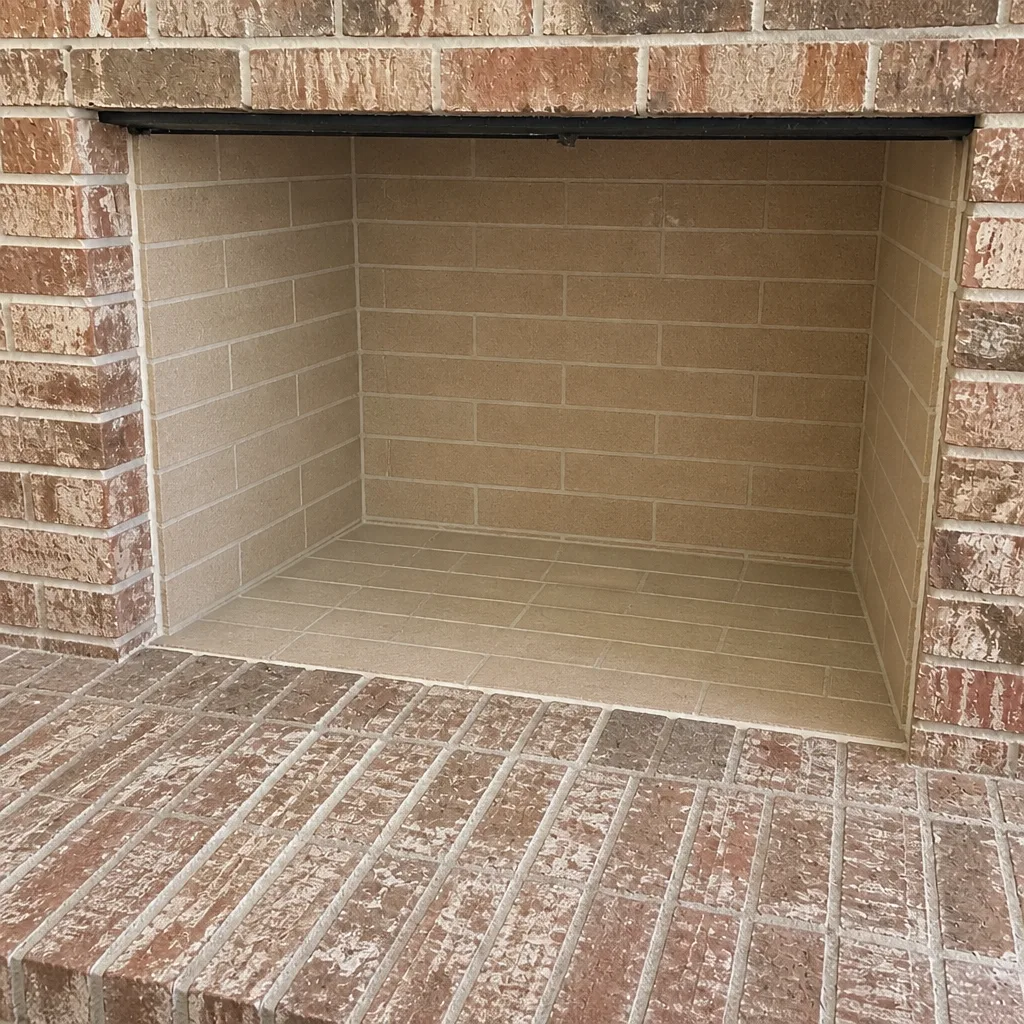
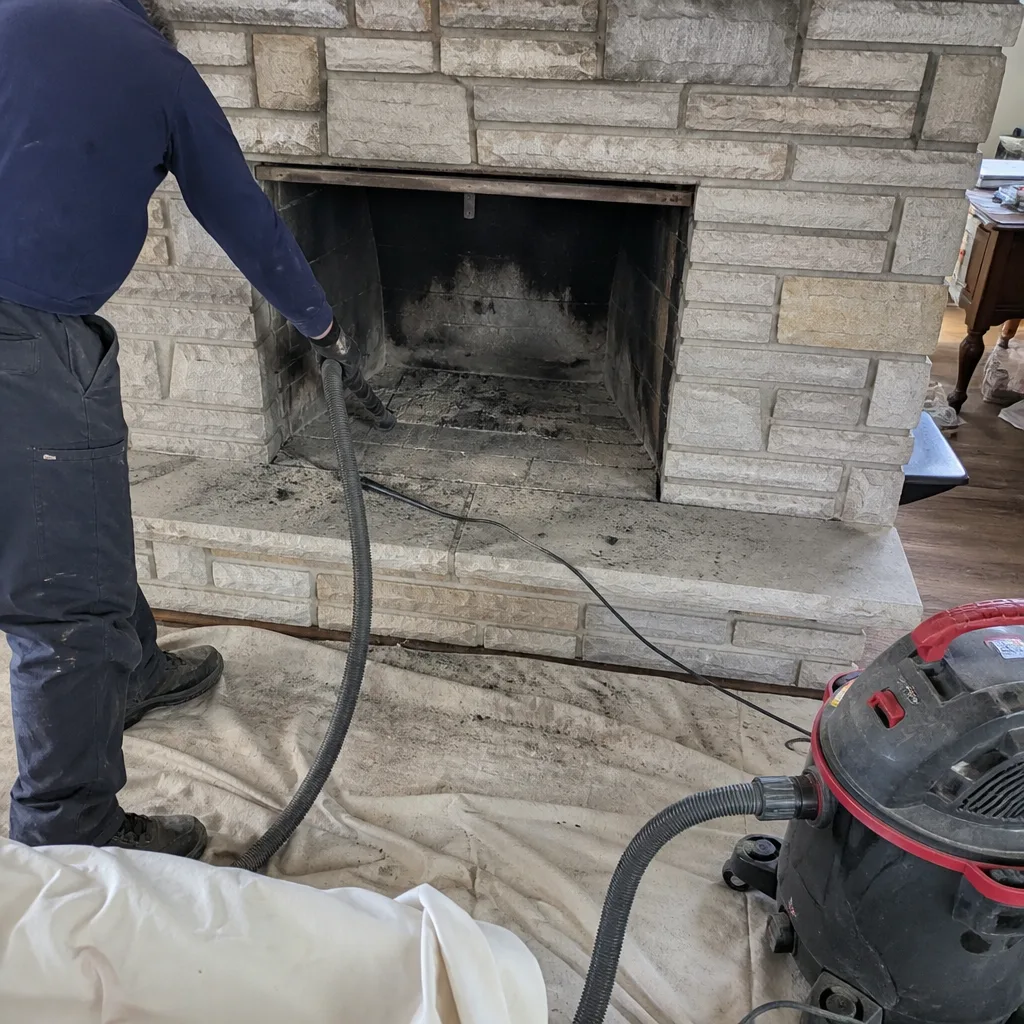
See the difference
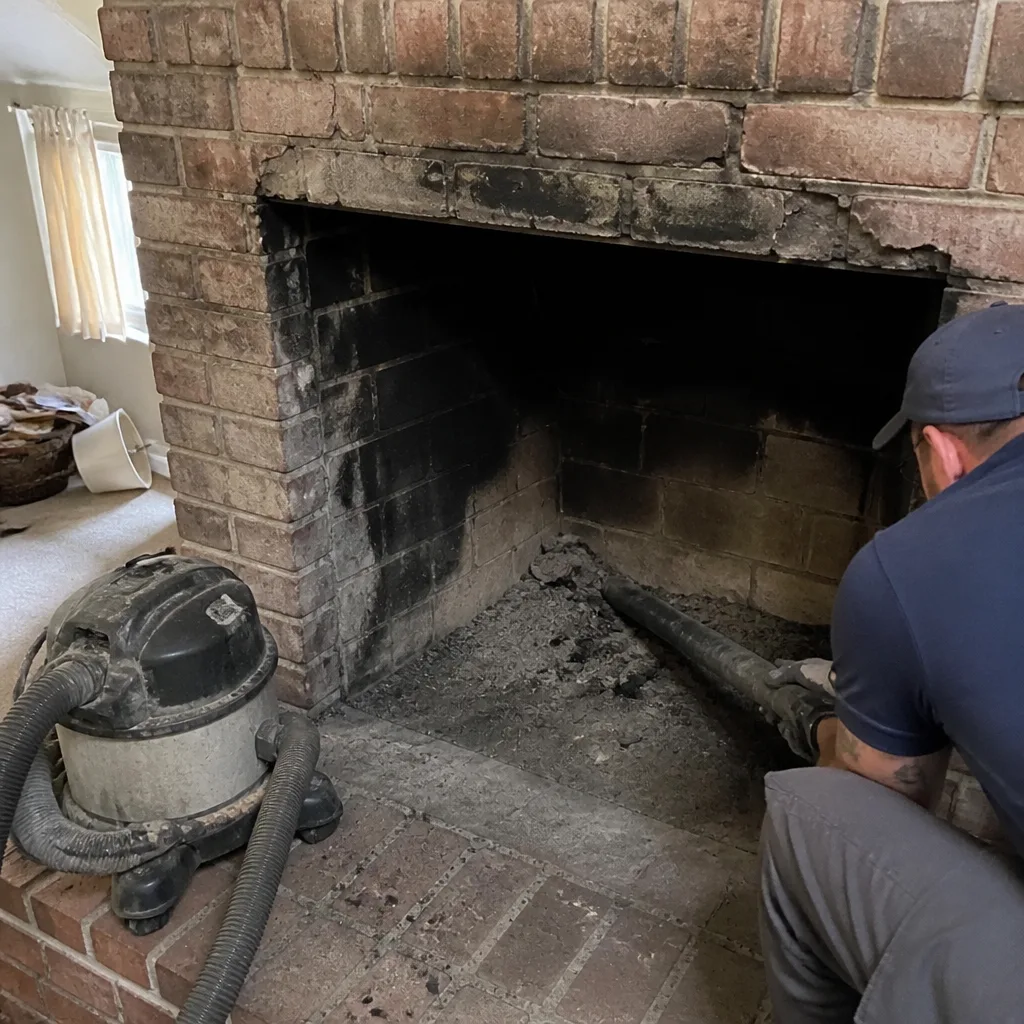 Before
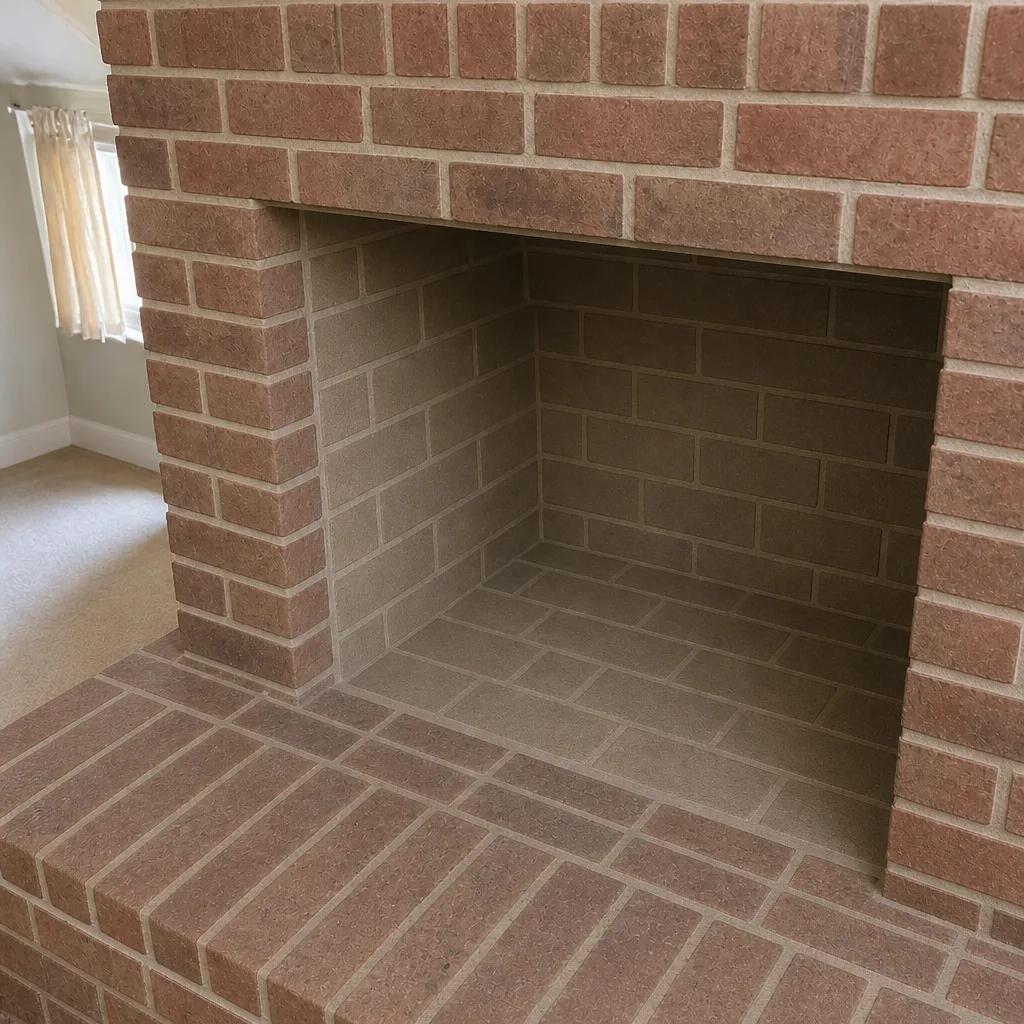 After
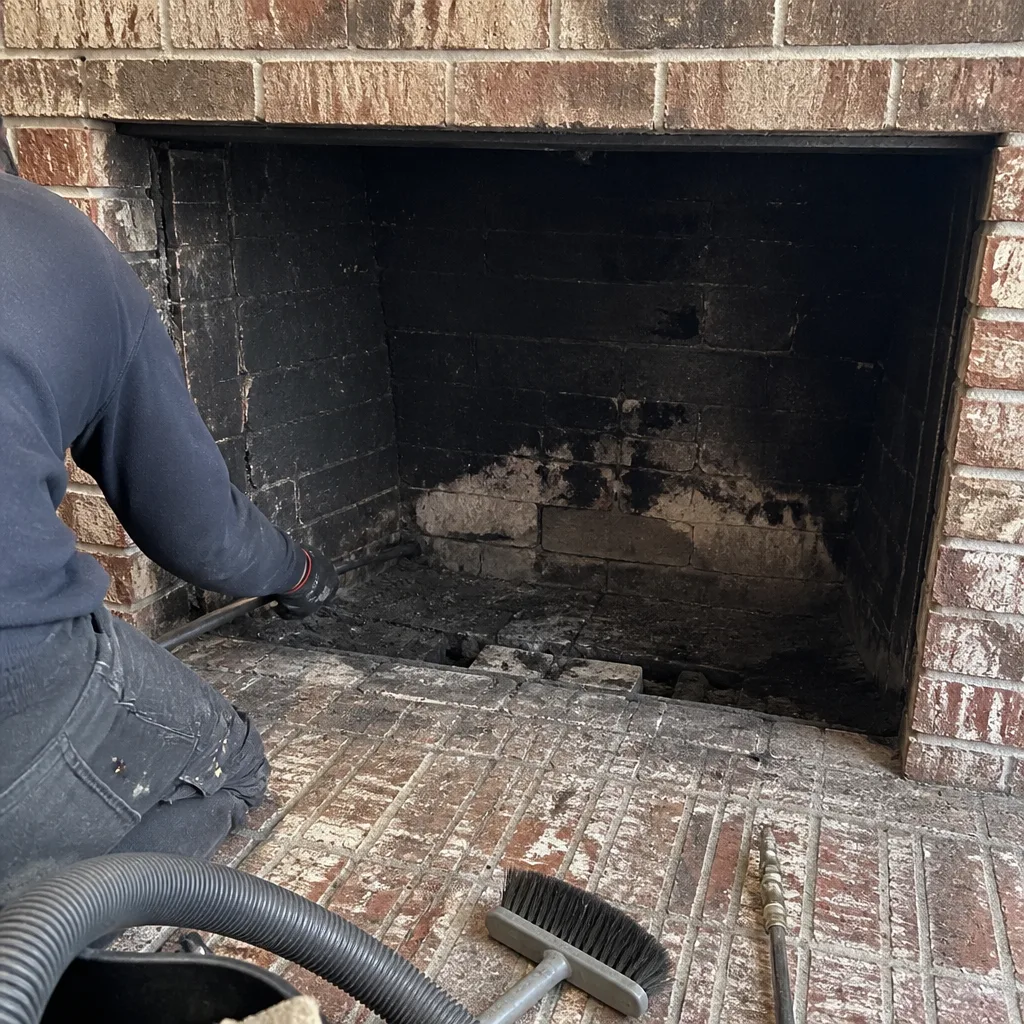 Before
 After
 Before
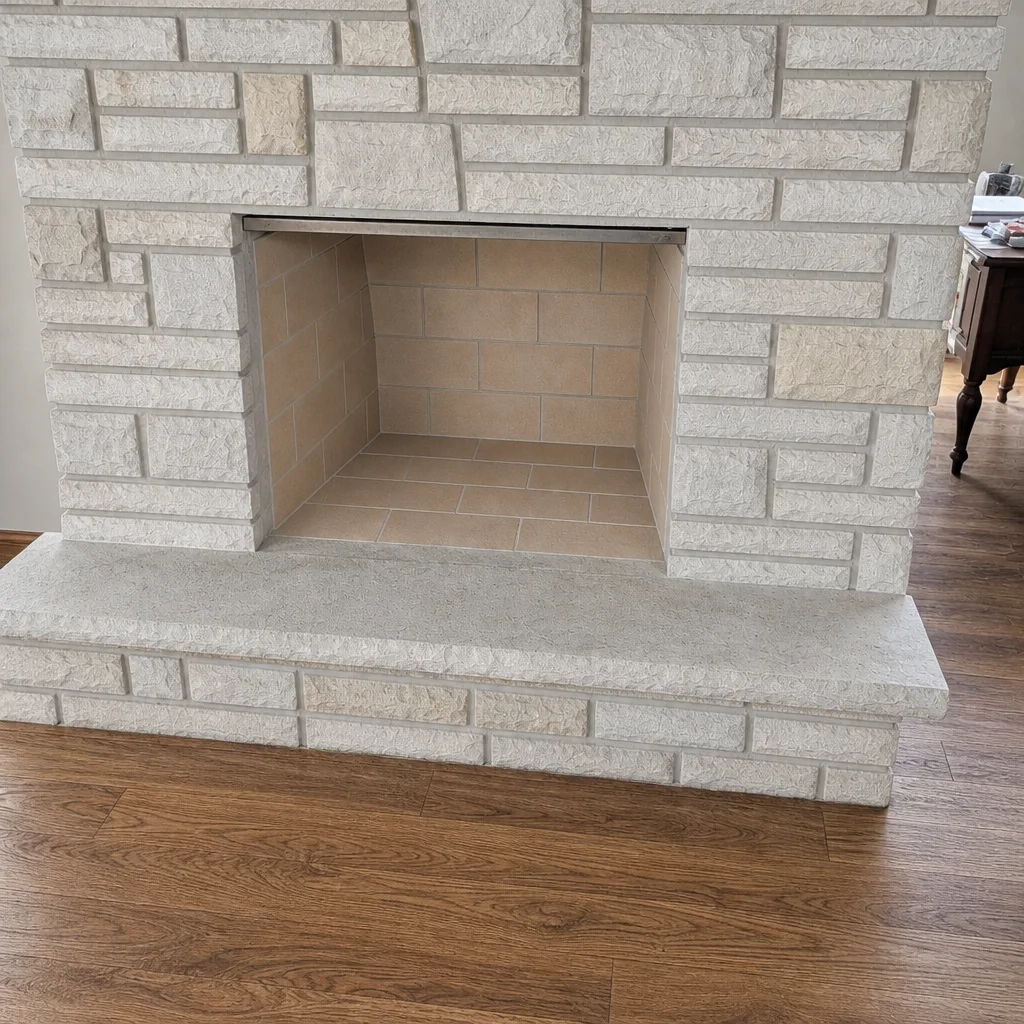 After
When to Call a Professional
Most seasonal care is observation, and we’d rather you observe and call when something matters than try to fix it yourself. Call a professional if you notice any of these: a new stain on a ceiling or wall that seems to come from the chimney; a change in draft or a fireplace that smokes back into the room; a rusted or sticking damper; visible cracking in the crown, flue tile, or masonry; a chimney cap that’s loose or missing; an odor from the chimney when the fireplace isn’t in use; or a home you’ve just bought with an unknown chimney history. Call us rather than a general handyman for any of that. Chimney work is all we do, and the diagnosis matters more than a fast fix. West Valley City Chimney Sweep offers free estimates in West Valley City. Call (877) 792-7416. We answer 24/7. Fast dispatch from 7am to 7pm, Sunday through Friday.
Frequently Asked Questions
Once a year for a wood-burning chimney that’s used regularly, with an inspection at the same time. In our experience, a two-visit rhythm (late summer and spring) covers West Valley City’s climate cycle better than a single annual sweep, because it catches monsoon moisture damage before burn season and freeze damage after it. A gas fireplace still needs an annual inspection even though it produces less creosote.
Yes, for two reasons. Late summer gives you weeks of dry weather to schedule any crown sealing or waterproofing the inspection turns up, before the monsoon finishes testing it and before the freeze begins. And the appointment calendar is less crowded in August than in October, when every homeowner in the valley calls at once. Call (877) 792-7416 for an exact quote; estimates are free.
On the exterior, it usually shows up as loose or missing mortar joints, brick faces that have flaked off, and chalky white staining called efflorescence. Inside the flue, it shows up as hairline cracks and spalling of the clay flue tile, often starting at the top. The interior damage is invisible without a camera inspection, which is why we insist on one before recommending a repair.
Probably not. Most chimney leaks we see in West Valley City start at the crown or the flashing at the roofline, not the flue. A liner or resurfacing job is only the right answer if the flue itself is what’s leaking, and you need a camera inspection to know which one you have. Call (877) 792-7416 for an exact quote; estimates are free.
HeatShield is a liner resurfacing system that restores a deteriorated flue liner by applying a new interior surface, without removing and replacing the whole clay liner. It’s the right answer when the existing flue tile is deteriorated but still structurally sound. When the tile is cracked through or displaced, a full relining with DuraFlex or another proper material is the right answer. The difference is a diagnosis question, and we don’t recommend HeatShield unless the camera shows it’s appropriate.
Not safely. The seasonal damage in West Valley City is caused by weather, not by how much you burn. A chimney that sat all winter still went through freeze-thaw, and a chimney that sat through the monsoon still took on water. Skipping a year means the damage gets a full year to compound before anyone looks at it.
The Bottom Line
West Valley City’s four-season climate gives your chimney four separate exposures a year, and the only schedule that covers all of them is the two-visit rhythm: late summer and spring. Late summer catches monsoon damage before burn season and puts you in dry weather to fix it; spring catches freeze damage and clear the creosote from the season. Between visits, keep an eye out for stains, smells, and draft changes, and don’t try to fix chimney problems yourself. When something needs attention, get a camera inspection and a written estimate before you agree to any work. Chimney work is all we do; we work with professional-grade brands like DuraFlex, HeatShield, Gelco, and Famco, and we diagnose before we recommend. Our technicians have up to 15 years of experience, and a free estimate starts with a call.
Call West Valley City Chimney Sweep at (877) 792-7416 for a free estimate. We answer 24/7. Fast dispatch from 7am to 7pm, Sunday through Friday.
Written by the team at West Valley City Chimney Sweep.